
Beautiful Plants For Your Interior
Beautiful Plants For Your Interior
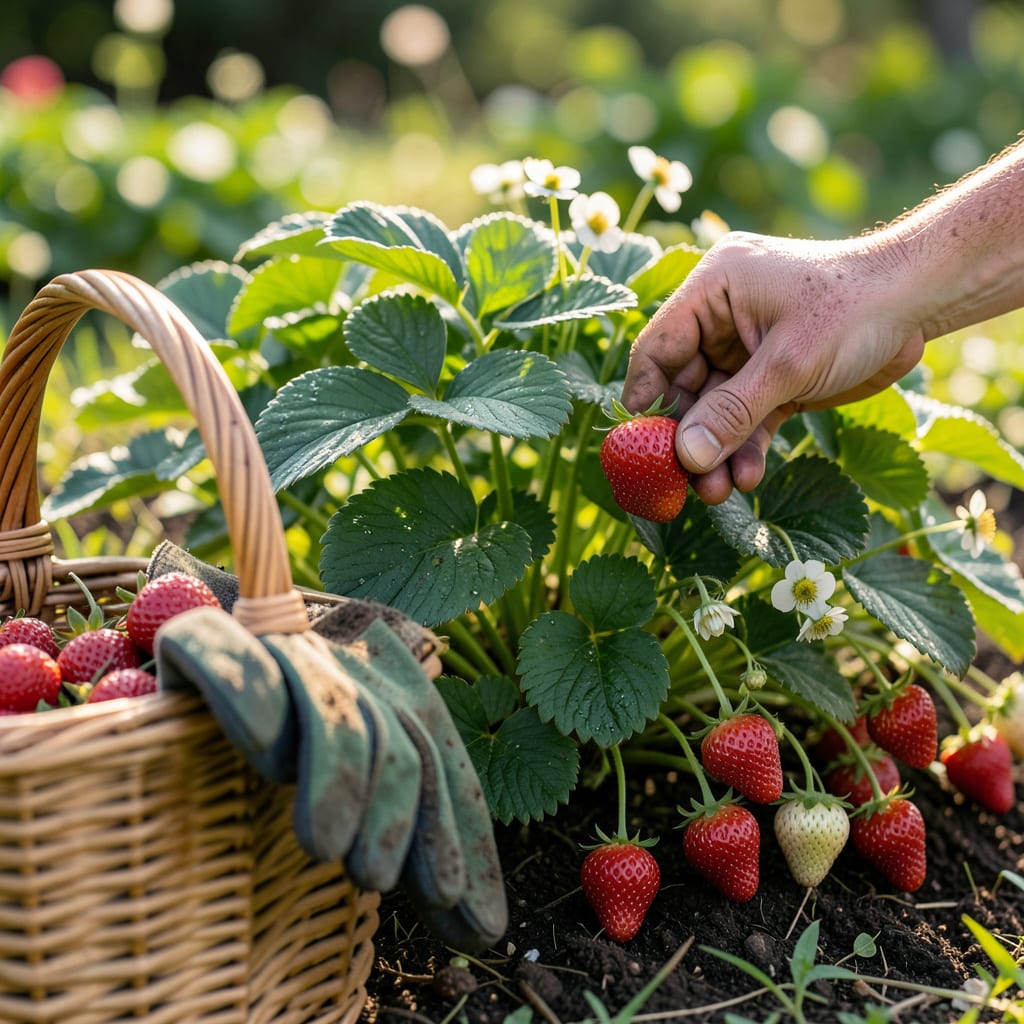
That first bite of a perfectly ripe strawberry—bursting with sweetness—is what every gardener dreams of. But pick too soon, and you’ll get tart disappointment instead. Timing is everything when it comes to harvesting these ruby gems from your patch.
I’ve learned the hard way that color alone isn’t enough—you need to watch for three key signs (and avoid the common mistakes that ruin flavor). Whether you’re growing in Zone 6 or just visiting a U-pick farm, I’ll show you exactly how to spot strawberries at their peak. Let’s make this your sweetest harvest yet.


Nothing beats the taste of a sun-ripened strawberry plucked straight from the plant. But how do you know it’s truly ready? I’ve found that relying on color alone leads to disappointment. You need to check for three critical signs—color, texture, and ease of picking—to ensure maximum sweetness.
Strawberries don’t ripen further once picked, so timing is everything. Over the years, I’ve noticed that morning harvests yield the juiciest berries, while afternoon picks can be softer. Let’s dive into the visual cues that guarantee you’ll never pick a tart strawberry again.
One mistake I see often is picking strawberries too early because they look red but aren’t fully ripe. If the tip of the berry (near the stem) is still pale, leave it for another day. That last bit of ripening makes all the difference in flavor. Trust me, patience pays off with strawberries!
The stem cap (the green leafy part) should still be firmly attached but come off easily when twisted. If you’re struggling to pull the berry, it’s not ready. I like to use my thumbnail to test firmness—if it leaves a slight indent, it’s perfect. Too hard? Wait another day.
Ever notice how some strawberries are hollow inside? That’s a sign they were picked too late. Overripe berries lose their structure and turn mushy quickly. For the best texture, harvest when the flesh is still slightly firm but gives under gentle pressure. This is the sweet spot for both flavor and shelf life.
If you’re growing everbearing or day-neutral varieties, check your plants every 2–3 days during peak season. These types produce berries in waves, so you’ll have ripe fruit at different stages. I mark my calendar for June-bearing strawberries—they typically ripen all at once over 2–3 weeks in early summer.
Here’s a pro tip: Harvest in the morning when temperatures are cool. Strawberries picked later in the day can overheat and spoil faster. I bring a small basket or tray to avoid bruising the fruit. Never pile them high—spread them out in a single layer to prevent crushing the lower berries.
Don’t forget to check under the leaves! Ripe strawberries often hide beneath foliage, especially in dense patches. I gently lift the leaves with one hand while scanning for hidden gems. You’d be surprised how many perfectly ripe berries get missed without this simple step.
Finally, taste-test as you go! If the first few berries are tart, give the rest another day or two. Strawberries sweeten as they ripen, so a little extra time on the plant can transform your harvest. Once you’ve nailed the timing, you’ll be rewarded with the juiciest, sweetest strawberries you’ve ever tasted. 🌱
Not all strawberries ripen on the same schedule. The three main types—June-bearing, everbearing, and day-neutral—each follow their own timeline. I’ve seen gardeners miss their harvest window simply because they didn’t know their variety’s pattern. Let’s break down what to expect.
For example, June-bearing strawberries (like ‘Chandler’ or ‘Allstar’) produce one massive flush in early summer, while everbearing varieties (such as ‘Albion’) yield smaller batches from spring to fall. Day-neutrals? They’re the overachievers, fruiting continuously if temperatures stay between 35°F and 85°F. Know your type, and you’ll never miss a berry.
| Variety | Harvest Window | Days to Ripen | Key Traits |
|---|---|---|---|
| June-Bearing | 2-3 weeks in early summer | 28-30 days after flowering | Large, concentrated crop; best for preserves |
| Everbearing | Spring, summer, fall (3 cycles) | 25-35 days per cycle | Smaller yields; great for containers |
| Day-Neutral | Continuous (if 35-85°F) | 21-28 days after flowering | Steady supply; ideal for small spaces |
Your USDA zone plays a huge role too. In Zone 6, June-bearers typically ripen in late May to early June, while Zone 9 gardeners might see fruit a full month earlier. Everbearing varieties in Zone 8 can produce almost year-round with protection. Always adjust expectations based on your local last frost date.
Here’s a trick I swear by: Track the days since flowering. Most strawberries need 21-30 days from bloom to ripe fruit, depending on variety and weather. Cooler temps slow ripening, while heat waves can speed it up—sometimes too fast. I once lost half my crop to sunburnt berries during a heatwave!
If you’re growing day-neutral strawberries like ‘Seascape’, watch for white flowers—they’re your 3-week countdown timer. For everbearers, mark your calendar for three harvest windows: spring, mid-summer, and early fall. And remember: morning picking preserves flavor and firmness better than afternoon harvests.
Still unsure? Check the seed color—ripe strawberries have deep brown or black seeds, not green or pale yellow. And if the berry resists when you twist it, walk away. Forcing it off damages the plant and guarantees a sour bite. Patience pays off with strawberries!
Now that you know the timelines, pair this with the visual signs from the previous section. Combine both, and you’ll be harvesting perfectly ripe strawberries every time—no guesswork needed. Next up, I’ll share my no-fail picking technique to keep plants productive all season. 🌱
Picking strawberries the right way ensures you get the sweetest berries while keeping plants healthy for future harvests. I’ve learned through trial and error that the twist-and-pull method works best—no yanking or tugging, which can harm the plant and leave you with mushy fruit.
Timing matters too. I always harvest in the early morning when berries are cool and firm. Afternoon picks tend to be softer and spoil faster. Plus, the plants are less stressed when it’s cooler, which means they’ll keep producing longer. Let’s dive into the techniques that’ll make you a strawberry-picking pro.
💡 Bonus: Wear gloves if your plants have thorny runners—some varieties can be prickly!
One tool I swear by is a small pair of pruning snips. If a berry resists twisting, snip the stem instead of forcing it. This prevents damaging the plant crown, which is where next year’s fruit develops. I’ve ruined entire plants by being too aggressive—don’t make the same mistake!
Ever notice how some strawberries seem to disappear overnight? Birds and squirrels love them as much as we do. I drape lightweight bird netting over my patch when berries start ripening. Just secure it loosely so pollinators can still access the flowers. Trust me, it’s worth the effort to protect your harvest.
After picking, resist the urge to wash berries immediately. Moisture speeds up spoilage. Instead, I store them unwashed in a single layer on a paper towel-lined container in the fridge. They’ll stay fresh for 5-7 days this way. For maximum flavor, let them sit at room temperature for 30 minutes before eating.
Finally, don’t forget to inspect plants while picking. Remove any moldy or diseased berries to prevent spread, and trim off yellowing leaves. Healthy plants mean more fruit next season. With these tips, you’ll enjoy plump, sweet strawberries all season—without harming your precious plants. 🌿
For June-bearing varieties, check daily during their 2-3 week harvest window. Everbearing and day-neutral types need inspections every 2-3 days since they produce in waves. Morning checks are best when berries are cool and firm.
Color isn’t everything! If the tip near the stem is still pale or the seeds are green, the berry isn’t fully ripe. True sweetness develops in the final days. Wait until the entire fruit is uniformly red and fragrant.
Cold slows ripening, but you can’t force it. Strawberries won’t ripen further after picking. Instead, cover plants with row fabric to trap warmth. Avoid plastic—it causes condensation and mold. Patience is key!
Store unwashed in a single layer on paper towels in a ventilated container. They’ll keep 5-7 days in the fridge. Wash only before eating to prevent mold. For peak flavor, let sit at room temp 30 minutes before serving.
Drape lightweight bird netting over plants, securing edges with stakes. Avoid tight wraps—pollinators need access to flowers. For squirrels, try motion-activated sprinklers. Harvest frequently; ripe berries attract pests within hours!
