
Beautiful Plants For Your Interior
Beautiful Plants For Your Interior
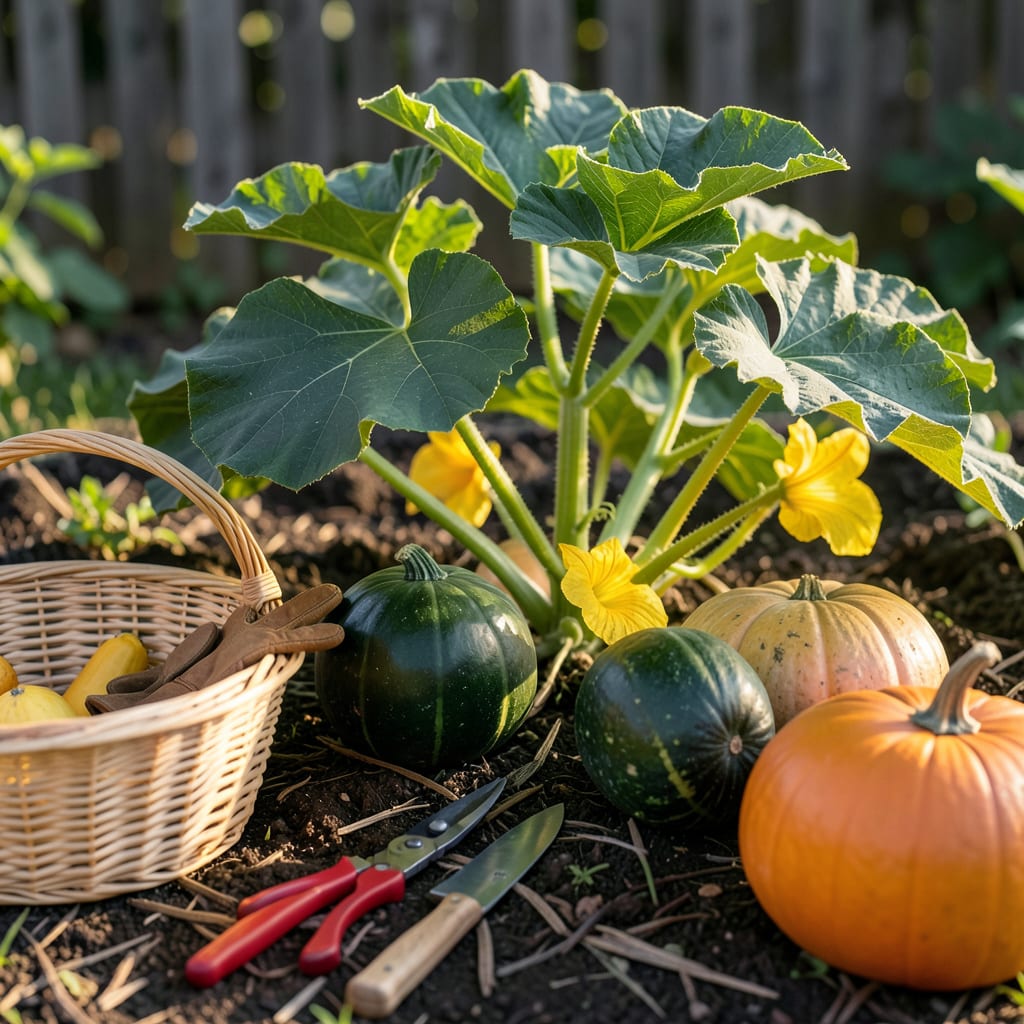
There’s nothing worse than cutting into a squash you’ve nurtured for weeks, only to find it’s either rock-hard or mushy inside. That perfect moment between underripe and overripe is surprisingly narrow—but it makes all the difference in flavor and texture.
I’ve learned the hard way that timing isn’t just about size or color. Whether you’re growing zucchini that doubles overnight or butternut squash that needs patience, I’ll show you the foolproof signs to watch for. No more guessing games—just harvest confidence every time.


If you’ve ever wondered whether that zucchini is hiding under leaves or if your butternut squash is finally mature, you’re not alone. The secret lies in three key areas: skin texture, stem condition, and color depth. Let’s break down what each tells you.
Summer squash like zucchini and yellow crookneck grow incredibly fast—sometimes overnight! Winter varieties like acorn or butternut need more patience. I’ll show you how to read the subtle signs that mean “pick me now” versus “give me another week.”
| Squash Type | Size at Maturity | Skin Texture | Stem Sign |
|---|---|---|---|
| Zucchini | 6-8 inches long | Glossy, firm to touch | Easily snaps off |
| Yellow Squash | 4-6 inches long | Bright yellow, slightly dull | Stem dries slightly |
| Acorn Squash | 4-7 inches diameter | Deep green, hard rind | Stem turns corky brown |
| Butternut Squash | 8-12 inches long | Tan skin, no green streaks | Stem fully hardened |
✅ Thumbnail test: Press gently—mature squash resists denting.
For summer squash, I check daily once they start sizing up. A zucchini that was 3 inches yesterday might be 8 inches today! The glossy skin will turn slightly dull when ready, and the stem should snap cleanly with a gentle twist.
Winter squash tells a different story. That acorn squash you’ve been watching will shift from shiny green to a matte finish, and the stem changes from green to brown. I always leave a 1-inch stem when harvesting to prevent rot.
The thumbnail test is my go-to for all varieties. Press your thumbnail into the skin—if it leaves a mark, wait a few days. For butternut squash, I also check the ground spot (where it touches soil). A creamy yellow patch means it’s ready.
I’ve found that morning harvesting gives the best texture, as squash are most hydrated. Use clean pruners or a sharp knife, leaving about an inch of stem. Never pull squash from the vine—this can damage both fruit and plant.
Remember that overripe summer squash develops tough skin and seedy centers, while underripe winter squash won’t store well. That perfect window is narrower than you think, so check plants every other day during peak season.
For spaghetti squash, I wait until the rind turns a uniform yellow and feels hard as wood. A good thump should produce a hollow sound. These can stay on the vine longer than you’d expect—sometimes up to 100 days from planting.
If you’re growing delicata squash, look for the characteristic cream-colored stripes with green edges to deepen. The skin should be thin enough to eat when cooked, but firm enough to resist fingernail pressure. These are ready at about 3-4 inches in diameter.
Timing your squash harvest is like walking a tightrope—miss the window by just a few days, and you’ll pay the price in flavor and texture. I’ve ruined more than my share of zucchini by picking too late, turning them into seedy, bitter disappointments. Let’s break down what happens when timing goes wrong.
Picking summer squash too early gives you fruit that’s watery and lacks sweetness. Wait too long, and you’ll get a fibrous, bitter mess with oversized seeds. Winter squash tells a different story—harvest too soon and it won’t store well; wait too long and the flesh becomes stringy.
💡 Pro Tip: When in doubt, harvest summer squash early—it’s better to pick a slightly small zucchini than a seedy giant!
For zucchini and yellow squash, the window is shockingly narrow—sometimes just 24-48 hours. I check my plants daily during peak season. A 6-inch zucchini can become an 18-inch monster in two days, complete with a tough skin and baseball-bat seeds.
Winter squash like butternut or acorn gives you more forgiveness, but still requires attention. An underripe butternut won’t develop its full nutty sweetness, while an overripe one loses its creamy texture. I use the thumbnail test religiously—if my nail leaves a mark, it needs more time.
The stem tells stories too. A green, flexible stem on winter squash means it’s not ready. Wait until it’s corky and brown. For summer squash, the stem should snap cleanly when bent—if it’s rubbery, give it another day.
If you’ve already picked squash at the wrong time, don’t despair. Underripe summer squash can be used in stir-fries where texture matters less. Overripe winter squash often works well in purées or soups where you’ll strain out the fibrous bits. Just adjust your cooking methods to match the squash’s condition.
Remember that weather affects timing. Hot, dry spells can accelerate maturity, while cool, wet periods slow things down. I keep a garden journal to track how different conditions affect my harvest windows each year. This simple practice has saved me from many timing mistakes.
Getting your squash off the vine is only half the battle—the way you harvest makes all the difference in storage life and flavor preservation. I’ve learned through trial and error that proper technique can extend your harvest’s usability by weeks or even months.
The golden rule? Always use pruners or a sharp knife—never pull squash from the vine. This prevents damage to both the fruit and plant. For summer squash, I make a clean cut leaving about ½ inch of stem. Winter squash needs 1-2 inches of stem to prevent rot during storage.
⏰ Best time to harvest: 8-10 AM after dew evaporates but before midday heat.
For winter squash varieties, curing is non-negotiable. I spread my harvest in a single layer in a warm (80-85°F), well-ventilated area for 10-14 days. This hardens the skin and heals any minor cuts, dramatically extending storage life to 3-6 months.
Summer squash like zucchini and yellow squash don’t need curing, but they do benefit from immediate refrigeration. I store them in the crisper drawer in perforated plastic bags, where they’ll keep for 5-7 days. For longer storage, consider blanching and freezing in cubes.
The way you handle squash post-harvest affects flavor too. I never wash winter squash before storage—just brush off dirt. Any moisture promotes mold. Summer squash can be rinsed but must be completely dry before refrigerating to prevent slimy skin.
Remember that storage conditions vary by type. Acorn and butternut squash prefer 50-55°F with low humidity, while delicata and spaghetti squash store best at slightly warmer temps. I use mesh bags for air circulation and check weekly for soft spots.
Summer varieties like zucchini need daily checks once fruiting begins—they can grow 2+ inches per day! Winter squash develops more slowly, so every 2-3 days suffices. Always inspect hidden fruit under large leaves.
Morning harvesting (before 10 AM) is ideal since plants are fully hydrated. Evening picking works in a pinch, but avoid midday heat. If you must harvest later, store squash in the fridge immediately to preserve freshness.
Place unwashed summer squash in perforated plastic bags in the fridge’s crisper drawer. They’ll keep for 5-7 days. For longer storage, blanch and freeze in 1-inch cubes for up to 3 months.
A properly cured winter squash has a hard, glossy rind that resists fingernail pressure. The stem should be dry and corky. Curing takes 10-14 days in warm (80-85°F), dry conditions.
Light frost won’t harm mature winter squash, but it’ll ruin summer varieties. If frost threatens, harvest all summer squash immediately. Winter squash can handle light frost—just harvest before a hard freeze (below 28°F).
