
Beautiful Plants For Your Interior
Beautiful Plants For Your Interior
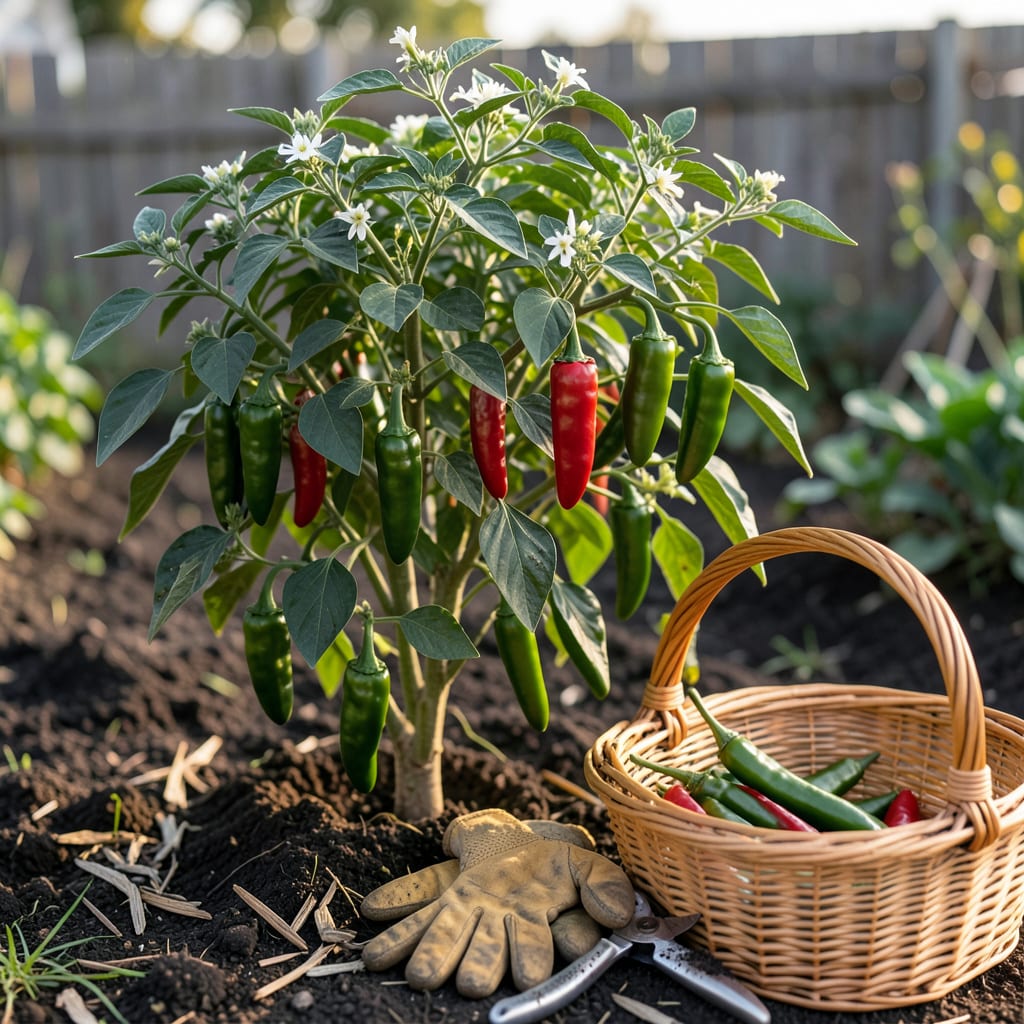
There’s nothing worse than watching your 🌶️ Serrano peppers finally ripen—only to realize you missed the perfect harvest window. That split-second timing can mean the difference between fiery flavor and a disappointing, underwhelming bite.
I’ve been there, staring at my plants wondering: Is it too soon? Too late? The good news? Your peppers actually tell you when they’re ready—if you know what to look for. Let’s break down the foolproof signs so you never second-guess again.


Knowing exactly when to pick your serrano peppers can feel like solving a puzzle. But your plants actually give clear signals—if you know where to look. I’ve learned the hard way that waiting for the perfect moment pays off in flavor and heat.
From color shifts to texture changes, these five visual cues will remove all guesswork. Whether you prefer green or red peppers, you’ll know precisely when they’ve reached their peak. Let’s dive into the telltale signs every gardener should watch for.
💡 Pro Tip: Use pruning shears for a clean cut—never yank peppers off!
The stem connection is often overlooked but critical. A ripe serrano will separate cleanly from the plant with minimal effort. If you’re tugging hard, the pepper needs more time. Overripe peppers may drop on their own—catch them before they hit the ground!
Watch for color uniformity. Green serranos should be evenly bright, not pale or streaky. Red peppers develop gradually—harvest when they’re fully transformed, not just partially blushed. The deeper the red, the sweeter (and hotter!) the flavor profile.
Don’t ignore the skin texture. Immature peppers feel waxy or rough, while ripe ones have a smooth, almost polished surface. Run your fingers lightly over the pepper—if it feels slightly tacky, it’s at peak ripeness.
Timing varies by climate. In hotter zones, peppers may ripen in as few as 60 days; cooler areas could take 85+ days. Track your local growing degree days for precision, but visual cues trump calendar dates every time.
Harvest in the early morning when peppers are crispest. Use sharp scissors or shears to avoid damaging the plant. Leave a short stem attached to prolong freshness. Store green peppers in the fridge for up to 2 weeks, or dry red ones for long-term spice.
Remember: Green serranos offer bright, grassy heat, while red ones deliver deeper, fruitier notes with more capsaicin. Experiment with both stages to find your favorite. Happy harvesting! 🌿
If you’re growing serrano peppers, timing your harvest is everything. These fiery little peppers go through distinct ripening stages, each with unique flavor and heat profiles. I’ll walk you through the journey from green to red, so you know exactly when to pick for your preferred taste.
Most serrano peppers reach maturity in 65-85 days after planting, but climate plays a big role. Hotter regions may speed up ripening, while cooler areas could extend the timeline. Watching the color progression is your best bet for perfect timing.
| Stage | Days After Planting | Color & Characteristics |
|---|---|---|
| Immature | 30-45 days | Pale green, small, hard texture |
| Green Stage | 60-70 days | Bright green, glossy, 2-3 inches long |
| Transitioning | 70-75 days | Green with red streaks, slightly softer |
| Fully Ripe | 75-85 days | Deep red, sweet aroma, peak heat |
💡 Tip: Green serranos are hotter than jalapenos, but red ones pack even more heat!
At the green stage, your peppers are crisp and tangy with moderate heat—perfect for fresh salsas or pickling. If you prefer maximum spice, wait until they turn red. The color change signals higher sugar content, which balances the intense heat.
Climate impacts ripening speed. In hot, dry areas, serranos may mature faster, sometimes in as few as 60 days. Cooler climates can slow growth, pushing harvest to 85+ days. Keep an eye on the weather forecast and adjust expectations accordingly.
Don’t forget to check the stem connection. A ripe serrano will snap off easily with a gentle twist. If it resists, give it a few more days. Overripe peppers may soften or develop wrinkles—harvest those promptly to avoid spoilage.
Once picked, store green peppers in the fridge for up to 2 weeks, or dry red ones for long-term use. The flavor evolves as they ripen, so experiment to find your favorite stage! 🌱
Timing your serrano pepper harvest isn’t just about patience—it directly impacts flavor, heat, and even shelf life. I’ve ruined batches by picking too soon (blah, bland peppers!) and lost others by waiting too long (hello, mushy mess). Let’s fix that.
Underripe peppers lack the signature serrano kick and often taste grassy or bitter. Overripe ones? They soften quickly, lose crispness, and may even rot on the vine. The sweet spot is all about balance—something I’ll help you nail.
Too Early: Pale color, hard texture, and minimal heat—wait for glossy skin!
Too Late: Wrinkled skin, mushy flesh, and bitter aftertaste—harvest at first red blush.
💡 Pro Tip: Check peppers daily once they near maturity—serranos ripen fast in heat!
If you’ve already picked underripe peppers, don’t toss them! Try ripening indoors by placing them in a paper bag with a banana. The ethylene gas speeds up color change (though flavor won’t fully develop). For overripe peppers, dry or freeze them immediately to salvage the heat.
Climate plays a sneaky role. In hot, dry weather, peppers may ripen overnight—check plants every 12-24 hours once they’re close. Cooler temps slow ripening, so extend your harvest window by 3-5 days if nights dip below 60°F.
Remember: Green serranos are best for fresh use (bright, sharp heat), while red ones shine in cooked dishes (deeper, fruitier burn). Adjust your harvest timing based on how you plan to use them. When in doubt, taste-test one pepper first! 🌿
Serrano peppers typically mature in 65-85 days after planting. In hot climates, they may ripen faster (around 60 days), while cooler areas might extend the timeline to 85+ days. Always check visual cues rather than relying solely on days.
Green serranos are fully edible and offer a bright, grassy heat. They’re perfect for fresh salsas or pickling. Just ensure they’re 2-3 inches long with glossy skin before harvesting.
Use sharp scissors or pruning shears to snip the stem cleanly. Avoid pulling peppers off by hand, as this can damage the plant. Harvest in the early morning when peppers are crispest for the best flavor and texture.
Yes! Green serranos are hot, but red ones pack even more heat. The color change signals higher sugar and capsaicin levels, making them spicier and slightly sweeter. If you love intense heat, wait for the deep red stage.
Overripe peppers may soften, wrinkle, or even rot on the vine. They can also develop a bitter aftertaste. Check plants daily once peppers near maturity—especially in hot weather, as they ripen quickly.
