
Beautiful Plants For Your Interior
Beautiful Plants For Your Interior
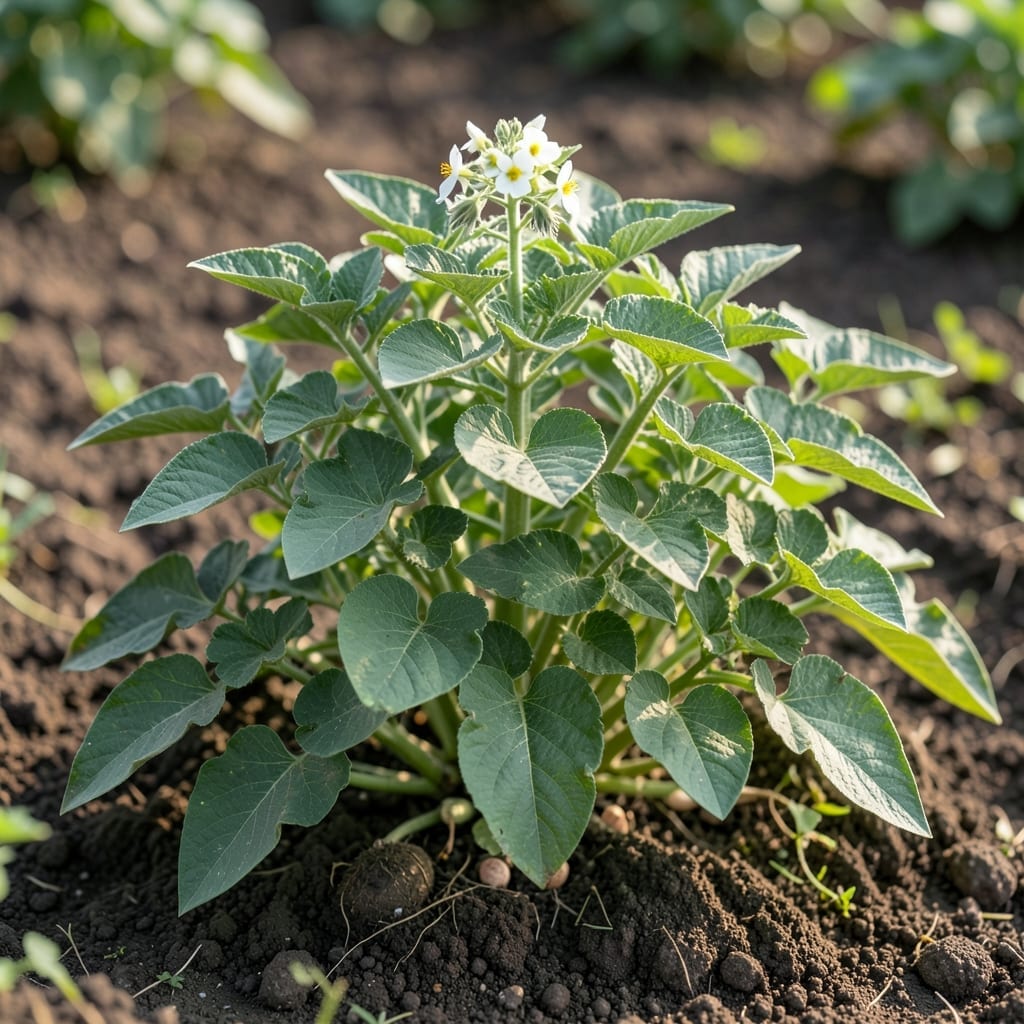
Timing is everything when growing 🥔 Potato. Plant too early or too late, and you risk poor yields or diseased crops.
I’ve learned that getting the season right makes all the difference. For most gardeners in zone 6, the sweet spot is March to April for planting.
Discover how to align your planting with nature’s rhythm for a bountiful harvest from June to August. Let’s dig into the details.
I’ve found that USDA zones are the best way to pinpoint your potato planting window. Each region has unique frost dates and soil temperature thresholds that dictate success. Planting too early risks frost damage, while late planting may stunt growth.
For most gardeners, spring planting is ideal, but some zones allow for a fall crop too. The key is knowing your last frost date and soil readiness. I always check these factors before digging in.
| USDA Zone | Spring Planting | Fall Planting | Soil Temp |
|---|---|---|---|
| 1-3 | Late April-May | Not Recommended | 45°F+ |
| 4-5 | March-April | July-August | 45°F+ |
| 6-7 | March-April | August-September | 45°F+ |
| 8-10 | February-March | September-October | 50°F+ |
In cooler zones (1-3), I stick to late spring planting to avoid frost. The soil must reach at least 45°F for seed potatoes to sprout. I use a soil thermometer to confirm conditions before planting.
For moderate zones (4-7), you can plant in early spring or late summer. I’ve had success with both, but fall crops need extra protection from early frosts. Row covers can extend the season by a few weeks.
In warmer zones (8-10), winter planting is often possible. I plant in February for a spring harvest. The key here is ensuring the soil doesn’t get too hot, which can cause disease pressure. ☀️
I always aim to plant 2-3 weeks before the last frost date. This gives the tubers time to establish before warm weather arrives. If the soil is still cold, I wait—patience pays off with potatoes.
For fall planting, count backward from your first frost date. Potatoes need 90-120 days to mature, so I plant early enough to harvest before the ground freezes. In zone 6, that means mid-August is my cutoff.
If you’re unsure about your zone, I recommend using the USDA Plant Hardiness Zone Map. It’s a game-changer for planning. I also keep a garden journal to track planting dates and results each year.
Remember, soil temperature is just as important as air temperature. I’ve learned that cold soil can delay sprouting or cause seed potatoes to rot. A simple soil test can save you a lot of trouble.
With the right timing, you’ll be rewarded with a bountiful harvest of homegrown potatoes. I love the satisfaction of digging up those first tubers after a well-planned season. 🌱
I’ve learned that weather conditions and soil quality can make or break your potato crop. Temperature, moisture levels, and soil type all play critical roles in determining when to plant. Getting these right ensures healthy growth and a strong harvest.
Potatoes thrive in cool weather but need well-draining soil to prevent rot. I always test my soil’s moisture and temperature before planting to avoid common pitfalls.
In my experience, cold soil below 40°F can delay sprouting or cause seed rot. I use a soil thermometer to check conditions before planting. If the soil is too cold, I wait a week and test again.
Excess moisture is another common issue. Potatoes need consistent watering, but soggy soil leads to rot. I water deeply once a week, adjusting for rain. Mulching helps retain moisture without waterlogging the soil.
Full sun is non-negotiable for potatoes. They need at least 6 hours of direct sunlight daily. In shadier spots, I’ve noticed smaller yields and weaker plants. If your garden lacks sun, consider containers you can move to sunnier areas.
For best results, I amend heavy clay soil with compost to improve drainage. Sandy soil drains too quickly, so I add organic matter to retain moisture. A balanced soil structure supports healthy tuber development.
By monitoring these conditions, you’ll create the perfect environment for your potatoes to thrive. It’s amazing how much difference these small adjustments can make in your harvest. 🌱