
Beautiful Plants For Your Interior
Beautiful Plants For Your Interior
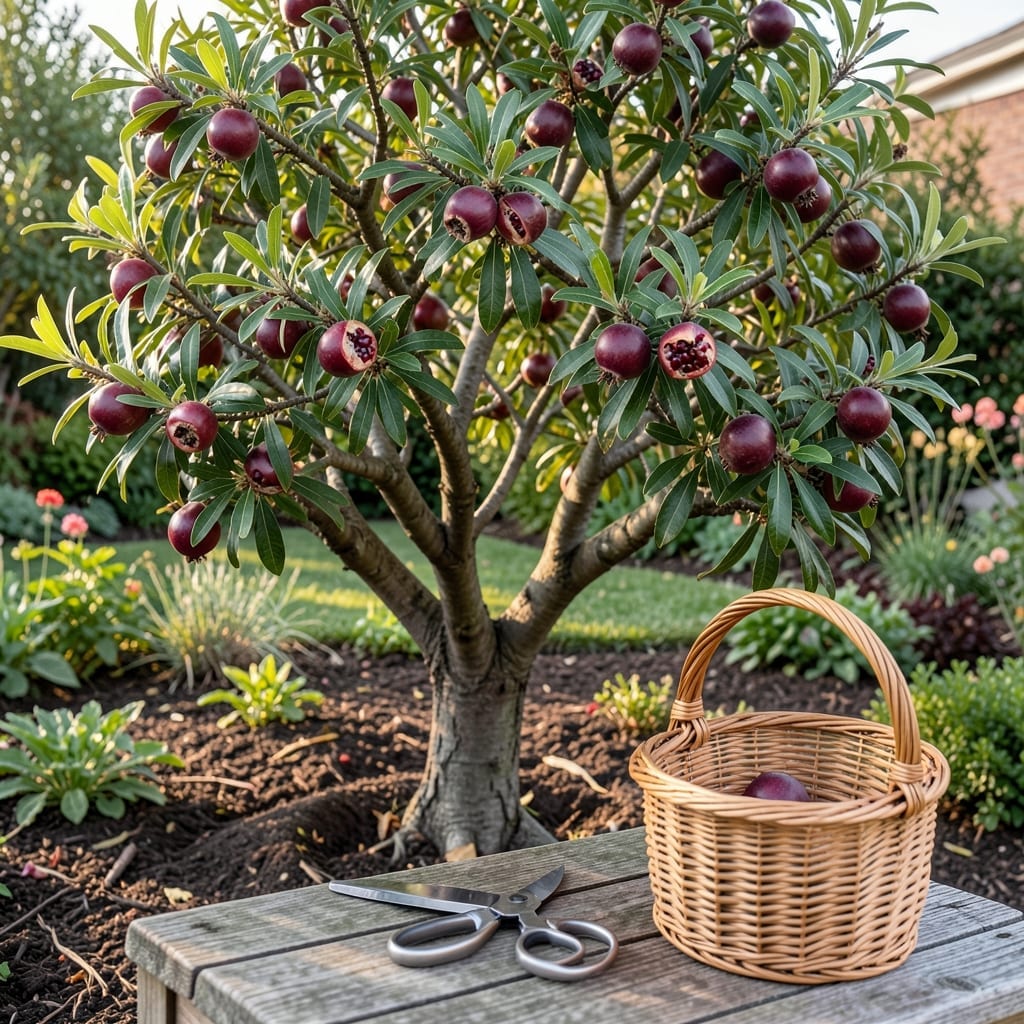
Knowing exactly when pomegranates are ready to eat can mean the difference between a tart disappointment and a burst of perfect sweetness. Unlike many fruits, 🍇 Pomegranate doesn’t continue ripening after harvest.
Timing is everything when it comes to picking this fruit. You’ll want to watch for specific signs that tell you it’s at its peak. I’ve learned that missing these cues can leave you with underripe fruit.
From August to October, keep an eye on your pomegranate shrub. The fruit will give you clear signals when it’s time to harvest. These aren’t hard to spot once you know what to look for.
Discover the simple but reliable methods to check for ripeness. With these tips, you’ll never wonder again if your pomegranates are ready for that first delicious bite.


I always check for stem slip first when determining if my pomegranates are ready to harvest. This is when the fruit’s stem easily detaches from the branch with a gentle twist, indicating it’s no longer getting nutrients.
The second sure sign is rind hardness. A ripe pomegranate will have a leathery skin that feels firm to the touch, not soft or rubbery. These two indicators never let me down in the garden.
| Ripeness Sign | What to Look For |
|---|---|
| Stem Slip | Stem detaches easily with a twist |
| Rind Hardness | Skin feels leathery and firm |
| Color Change | Deep red or purple hue develops |
| Metallic Sound | Hollow sound when tapped gently |
I’ve found that the stem slip test works best when the fruit is fully colored. If the pomegranate is still green or pale, the stem might detach prematurely. Always combine this with the rind check for best results.
For rind hardness, I press gently with my thumb. A ripe pomegranate won’t give under pressure. If it feels soft, I leave it on the pomegranate shrub for a few more days.
The metallic sound test is another great indicator. Hold the fruit near your ear and tap it lightly. A ripe pomegranate makes a hollow, metallic sound, while an unripe one sounds dull.
I recommend checking your pomegranates every few days as they approach maturity. The transition from unripe to perfectly ripe can happen quickly, especially in warm climates.
Remember that pomegranates don’t ripen after picking. If you harvest too early, they’ll stay tart. The stem slip and rind hardness methods are your best bets for perfect timing.
In my experience, morning harvesting works best. The fruits are cooler and less likely to split. I use sharp pruners to avoid damaging the stem or the fruit.
After harvesting, store pomegranates in a cool, dry place. They’ll keep for several weeks. The arils inside will be at their sweetest when the fruit is fully ripe.
By mastering these ripeness indicators, you’ll enjoy the sweetest pomegranates every time. It’s all about patience and knowing what to look for in your garden. 🌿
While stem slip and rind hardness are the most reliable indicators, color changes can also signal ripeness. Pomegranates transition from green to deep red or purple as they mature, depending on the variety.
Don’t rely solely on color, though. Some varieties stay yellow or pink when ripe. I always check the underside of the fruit, which often ripens first. A uniform, rich hue is a good sign it’s ready.
| Variety | Ripe Color |
| Wonderful | Deep Ruby Red |
| Eversweet | Pinkish Red |
| Angel Red | Bright Red |
Size matters too. A mature pomegranate typically measures 2.5 to 5 inches in diameter. If it’s undersized, it may need more time. I’ve found that heavy fruit for its size often indicates juicy, ripe arils inside.
Beware of premature color changes caused by heat stress or uneven ripening. Always combine color checks with the stem slip test and rind hardness for accuracy.
For the most accurate results, check your pomegranates in the early morning. The fruit is firmer then, making it easier to assess ripeness. I like to compare several fruits on the same tree for consistency.
Remember, pomegranates don’t ripen after picking. Once you’ve confirmed the color and size, use the metallic sound test—tap the fruit and listen for a hollow, ringing noise.
This method, combined with visual cues, ensures you’ll harvest at the perfect moment for the sweetest flavor 🌿