
Beautiful Plants For Your Interior
Beautiful Plants For Your Interior
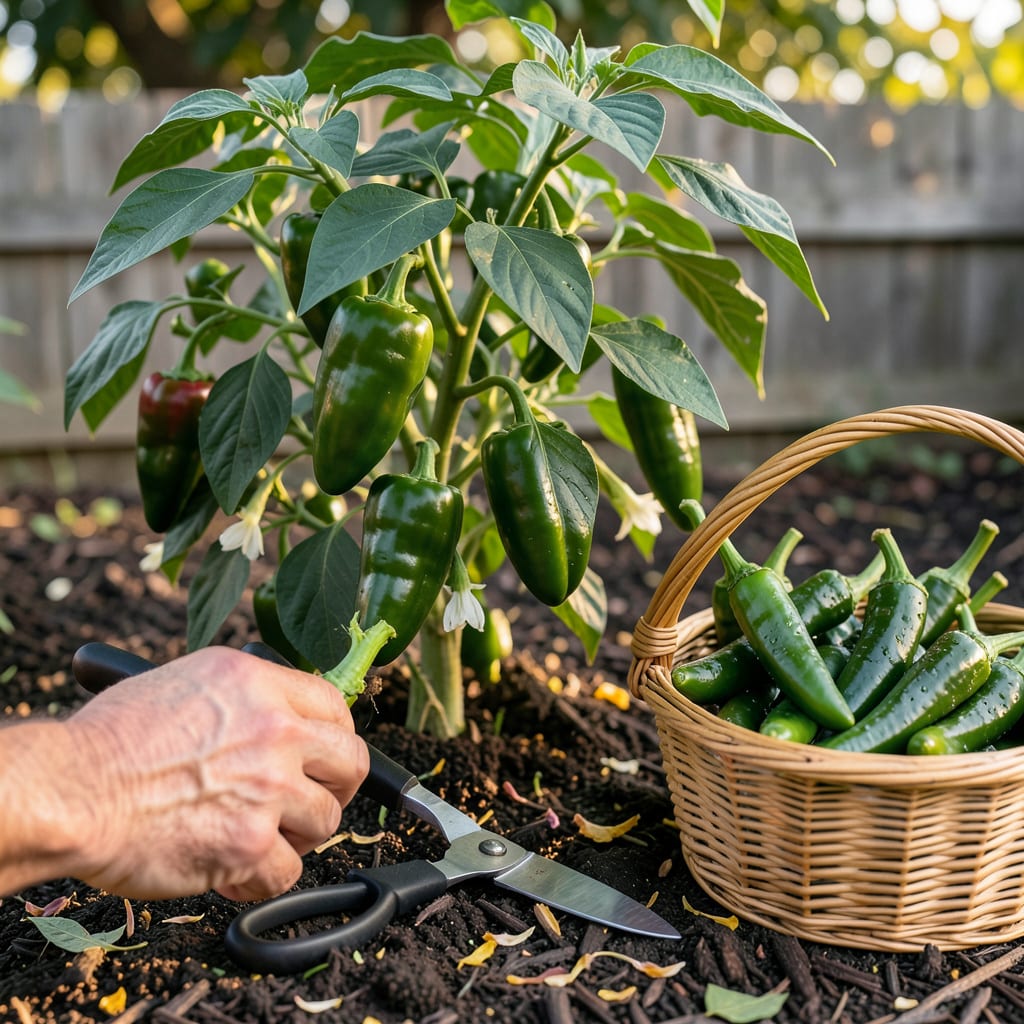
There’s nothing like the satisfaction of plucking a perfectly ripe poblano pepper 🌶️ from your garden—only to realize too late it wasn’t quite ready. Timing is everything: pick too soon, and you’ll miss out on that rich, smoky flavor; wait too long, and the heat might overpower your dish.
I’ll show you the exact visual cues and simple tests to know when your poblanos are at their peak. Whether you’re stuffing them for chiles rellenos or roasting for salsa, you’ll learn how to harvest with confidence—no guesswork required.


Knowing when to harvest poblano peppers starts with their color transformation. Most gardeners pick them at the dark green stage, which is ideal for stuffing or roasting. Look for a deep, glossy hue—far richer than the pale green of immature pods. This color shift signals the pepper has developed its signature mild heat and complex flavor.
The size and shape of your poblanos also reveal their readiness. Mature peppers typically reach 4-5 inches long and about 2 inches wide at the shoulder. They’ll feel heavy for their size, with a slight give when gently squeezed. Avoid harvesting small, lightweight pods—they’re still filling out with flavor and juices.
| Ripeness Stage | Color | Size | Best Use |
|---|---|---|---|
| Immature | Pale green | 2-3 inches | Avoid picking |
| Ideal Harvest | Dark green | 4-5 inches | Stuffing, roasting |
| Fully Ripe | Red or brown | 5+ inches | Drying, sauces |
Don’t overlook the stem and skin texture. A ready-to-pick poblano will have a stem that’s begun to turn slightly woody, with a faint brown tint. The skin should be smooth and firm—not wrinkled or soft. Run your fingernail gently over the surface: if it leaves a mark, the pepper needs more time.
For those who prefer a spicier kick, leaving poblanos on the plant until they turn red or chocolate brown intensifies their heat. This stage also concentrates their sugars, making them perfect for drying into ancho chiles. Just monitor closely—overripe peppers may split or attract pests.
I always check the “snap test” for confirmation. Gently bend the pepper upward: if it snaps cleanly from the stem with minimal effort, it’s ready. If it resists or tears, give it another 3-5 days of sunshine. This simple trick prevents premature harvesting better than any calendar date.
Remember that growing conditions affect timing. Cooler climates may delay maturity by 7-10 days, while intense heat can speed it up. Container-grown poblanos often ripen faster than in-ground plants due to warmer soil. When in doubt, compare your peppers to the seed packet’s days-to-maturity (usually 65-80 days).
One pro tip I swear by: harvest in the morning when peppers are crispest. Use clean pruning shears to avoid damaging the plant, leaving a short stem attached. This prevents moisture loss and extends shelf life. Never yank peppers by hand—you risk pulling off branches loaded with future harvests.
If you’re saving seeds, allow a few peppers to fully ripen to red. Their seeds will be more viable, and you’ll get a bonus crop of ancho chiles for winter cooking. Just label them clearly—red poblanos look nothing like their green counterparts!
Finally, trust your senses. A ripe poblano emits a faint, earthy aroma when held close. If it smells grassy or bland, it’s not ready. With these visual and tactile clues, you’ll never second-guess your harvest timing again. Now grab those shears and enjoy the fruits of your labor!
Even when your poblano peppers look ready, I always double-check with these three foolproof tests to confirm ripeness. The finger-squeeze test is my go-to: gently press the pepper’s shoulder with your thumb. A ripe poblano will yield slightly but bounce back—like a firm avocado. If it feels rock-hard or leaves a dent, it needs more time.
The stem flexibility check reveals hidden clues too. A mature poblano’s stem will have a slight bend near the base, while immature peppers cling rigidly to the plant. Look for a subtle brown tint creeping up the stem—this indicates the pepper is channeling its final nutrients. Avoid twisting the stem itself, as this can damage the plant’s vascular system.
My favorite final check is the “snap test”, which works best on dry mornings. Grasp the pepper near its base and lift upward with a slight twist. A truly ripe poblano will separate from the plant with a satisfying clean snap, leaving the calyx (the green cap) intact. If it resists or the stem fibers stretch like gum, wait another 2-3 days before testing again.
Watch out for these common mistakes that lead to premature picking. Many gardeners assume size alone indicates ripeness, but a 5-inch pale green poblano can still be underdeveloped. Others rely solely on the seed packet’s “days to maturity” count, forgetting that cool nights or inconsistent watering can delay ripening by weeks. Always combine timing with physical tests for accuracy.
For container-grown poblanos, I adjust my tests slightly. These peppers often ripen faster due to warmer soil, so start checking 5 days earlier than the seed packet suggests. The snap test works especially well for pots—just support the plant’s base with your free hand to prevent tipping. Container peppers also benefit from a gentle tug test: if the plant lifts slightly when you pull the pepper, it’s not ready.
Here’s a pro trick: harvest test peppers from different parts of the plant. The peppers nearest the center often mature first thanks to better sunlight exposure, while those on outer branches may lag behind. By sampling one from each area, you’ll get a true sense of your plant’s overall readiness. And remember—poblanos continue ripening off the vine, so if you’re borderline, pick one and leave the rest for another 24-48 hours.
Finally, trust your nose! A fully ripe poblano emits a subtle earthy, slightly sweet aroma when held close to your face. If it smells grassy or like cut stems, it needs more time. Combine this with the physical tests above, and you’ll achieve that perfect balance of flavor and heat every time. Now grab your shears and enjoy the confidence of a perfectly timed harvest! ✂️
Your poblano peppers’ harvest window depends heavily on your growing zone and local climate. In warmer zones like USDA 7-9, expect peppers to mature in about 65-70 days from transplanting. Cooler zones (5-6) may require 75-80 days as nights stay chillier, slowing ripening.
I’ve noticed container-grown poblanos often ripen 5-7 days faster than in-ground plants. This is because pots warm up quicker in sunlight. If you’re growing in containers, start checking for ripeness around day 60 post-transplant. Just be mindful of moisture—potted peppers dry out faster, which can stress plants and delay fruit development.
Zones 7-9: Early July through September. Watch for heatwaves—peppers may ripen 3-5 days faster during 90°F+ stretches.
Zones 5-6: Late July to early October. Use row covers in early fall to extend the season by 2-3 weeks.
Containers: Harvest may begin 1-2 weeks earlier. Monitor soil moisture daily—dry roots slow ripening.
In my garden, I track the “days after flowering” rather than just planting dates. Poblano peppers typically need 55-60 days from flower appearance to harvest. Mark your calendar when you spot the first white blossoms—this gives a more accurate countdown than seed packet estimates.
Nighttime temperatures play a surprising role too. When nights stay above 60°F, peppers ripen evenly. But if nights dip below 50°F, maturity slows dramatically. In these cases, I’ve had success using black plastic mulch to warm the soil and speed up ripening by about a week.
For those in short-season areas, consider starting seeds indoors 8-10 weeks before your last frost. This head start ensures you’ll get ripe peppers before fall’s first chill. I also recommend choosing faster-maturing varieties like ‘TAM Mild Poblano’ if your growing window is under 120 days. ✂️
Harvesting too soon results in bland, bitter flavors and underdeveloped texture. Immature peppers lack the signature smoky depth and may feel hollow inside. They also won’t store well, turning mushy within days.
Red poblanos (called “anchos” when dried) are fully ripe with intensified sweetness and heat. Just monitor closely—overripe peppers may split or attract pests. Harvest red ones promptly for drying or sauce-making.
This usually signals insufficient sunlight or nutrients. Ensure plants get 6+ hours of direct sun daily and feed with 5-10-10 fertilizer every 4 weeks. Cool nights below 50°F can also slow maturity.
For short-term use, refrigerate unwashed peppers in a paper bag for 1-2 weeks. For long-term storage, roast and freeze (up to 6 months) or dry fully ripe red poblanos into ancho chiles. Never wash until ready to use.
No—peppers closest to the center mature first due to better sunlight. Check different plant areas and harvest selectively. Outer peppers may lag 3-5 days behind. This staggered ripening extends your harvest window naturally.
