
Beautiful Plants For Your Interior
Beautiful Plants For Your Interior
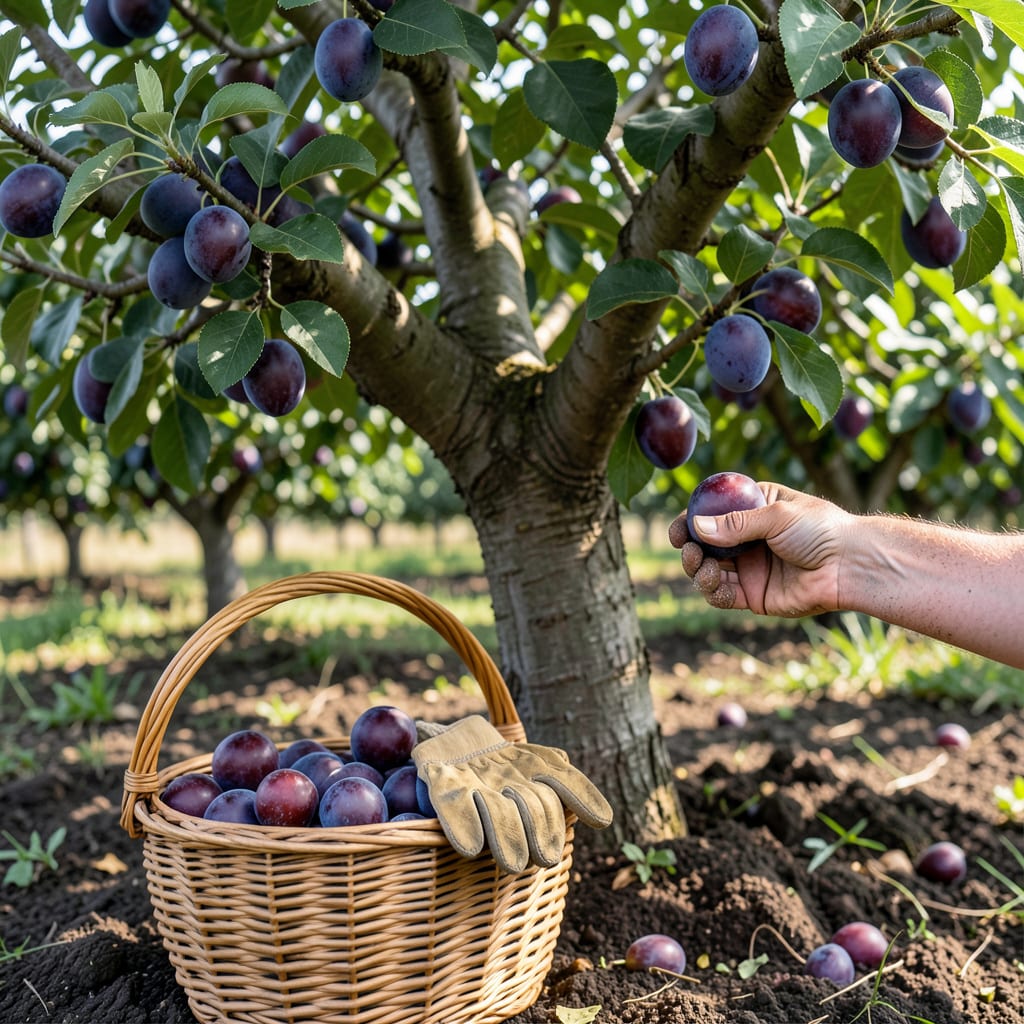
There’s nothing quite like biting into a perfectly ripe plum—juicy, sweet, and bursting with flavor. But timing that harvest? That’s where even seasoned gardeners can second-guess themselves. One day too early, and you’re left with tart, rock-hard fruit; wait too long, and you’ll find fermented mush on the ground.
I’ve learned the hard way that plums don’t always play by the rules—color isn’t always the best clue, and that “gentle twist” test? It’s a game-changer. Let me walk you through the foolproof signs to nail your harvest every time, so your 🍑 basket is filled with fruit that tastes as good as it looks.


If you’ve ever wondered why your neighbor’s plum tree is loaded with ripe fruit while yours is still stubbornly green, the answer often lies in the variety and your local climate zone. Not all plums ripen on the same schedule—some are early birds, while others take their sweet time.
For example, Methley plums can be ready in as little as 90–120 days, while Santa Rosa plums need a full 140–170 days from flower to harvest. Even within the same variety, a cool spring or late frost can delay ripening by weeks. 🌱
| Variety | Days to Harvest | Typical Harvest Months | Climate Notes |
|---|---|---|---|
| Methley | 90–120 days | June–July | Early producer; thrives in warmer zones |
| Santa Rosa | 140–170 days | July–August | Needs consistent heat to ripen fully |
| Stanley | 120–150 days | August–September | Cold-hardy; tolerates shorter seasons |
| Elephant Heart | 150–180 days | September–October | Late-season; needs long, warm autumns |
In cooler climates (like USDA Zone 6), plums often ripen 2–3 weeks later than in warmer zones. If you’re growing European plums (like Stanley), they typically need more heat to sweeten, while Japanese varieties (like Santa Rosa) can handle slightly cooler temps.
Here’s a quick trick: Start checking for ripeness about 10 days after the first plums on your tree begin to soften slightly. That’s when the rest will follow. And if you’re unsure, pick a test plum from a sunny spot on the tree—those ripen first! ☀️
Don’t forget that rainfall and soil moisture play a role too. A dry summer can speed up ripening, while excessive rain might delay it or cause fruit splitting. Keep an eye on the weather forecast as your harvest window approaches.
Once you’ve picked your plums, handle them gently—they bruise easily! Store firm plums at room temperature to ripen further, but pop fully ripe ones in the fridge to extend their shelf life by a few days. Now, go enjoy that hard-earned harvest! 🪴
Timing your plum harvest is a delicate balance—pick too soon, and you’re stuck with hard, sour fruit that never sweetens. Wait too long, and you’ll find fermented mush attracting pests. I’ve been there, and trust me, neither scenario is fun. Let’s break down what goes wrong and how to salvage your harvest.
If you pick plums too early, they’ll stay rock-hard and bitter, no matter how long you leave them on the counter. Unlike some fruits (like bananas), plums won’t ripen properly once picked underripe. The seeds inside are still immature, and the flesh lacks sugar development. 🌱
On the flip side, overripe plums turn mushy and develop an alcoholic fermented taste. They also become magnets for fruit flies, wasps, and squirrels. I once lost half my crop to raccoons because I waited a day too long—lesson learned! ☀️
If you’ve picked plums a little too early, don’t panic. Try this: Place them in a paper bag at room temperature with an apple or banana. The ethylene gas from the other fruit can coax them to ripen slightly. Check daily—they should soften in 2–4 days.
For overripe plums, your best bet is to use them immediately. They’re perfect for smoothies, jams, or plum sauce—just cut out any bruised spots. Store ripe plums in the fridge (unwashed) in a ventilated container to extend freshness for up to 5 days. Now you’re ready to enjoy your harvest without the guesswork! 🪴
Some varieties (like Green Gage) stay green when fully ripe! Check for a slight give when gently pressed and a sweet aroma at the stem. The skin should also feel slightly waxy, not dull.
Plums on the sunny side of the tree ripen first due to more direct light. The tree’s center often has shaded fruit that matures later. Always check multiple spots before harvesting all at once!
Yes! Place firm plums in a paper bag with a banana or apple at room temperature. The ethylene gas will help them soften in 2-4 days. Avoid plastic bags—they trap moisture and cause rot.
Pick in the early morning when temperatures are cool. The fruit will be firmer and less prone to bruising. Plus, the sugars are more concentrated after a cool night!
Store unwashed plums in the fridge’s crisper drawer in a ventilated container. They’ll last 3-5 days. For countertop ripening, keep them in a single layer, not stacked.
