
Beautiful Plants For Your Interior
Beautiful Plants For Your Interior
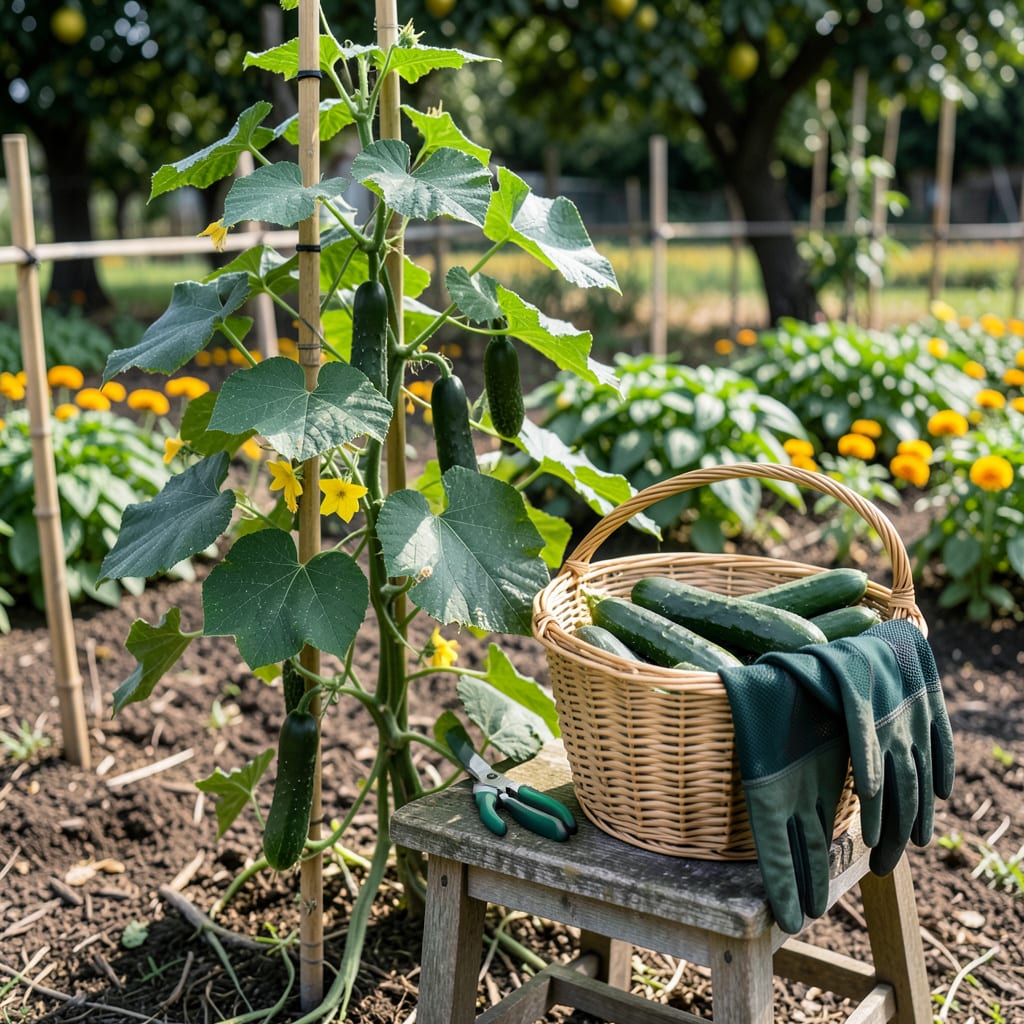
That moment when you finally spot your first pickling cucumbers 🥒 is exciting—until you realize one wrong move could ruin your entire batch. I’ve been there, staring at my vines wondering, “Are they ready yet?” The difference between crisp, tangy pickles and bitter, seedy disappointments often comes down to timing.
Luckily, your cucumbers give clear signals when they’re at their peak. From size and color to that perfect snap when you pluck them, I’ll show you exactly what to look for. No more guessing—just perfect pickling every time.


There’s nothing quite like the satisfaction of growing your own pickling cucumbers, but timing the harvest is everything. I’ve learned the hard way that waiting even a day too long can turn those crisp, tangy dreams into a seedy, bitter mess. The good news? Your plants give you clear signals when it’s time to pick.
First, focus on size and color. Most pickling varieties are ready when they’re 2–6 inches long, with bright, uniform green skin. If they start turning yellow or feel soft, you’ve waited too long. Let’s break down the exact cues so you never second-guess again.
| Harvest Sign | What to Look For |
|---|---|
| Size | 2–4″ for gherkins, 4–6″ for dill spears |
| Color | Bright, even green (no yellowing) |
| Firmness | Firm with slight give (like a ripe avocado) |
| Skin Texture | Bumpy or spiny (varies by variety) |
| Stem | Separates easily with a gentle twist |
⏰ Check vines every 2–3 days in peak season—cucumbers grow fast!
I always test firmness by gently squeezing the cucumber. It should feel solid but yield slightly under pressure, like a tennis ball. If it’s rock-hard, it’s not ready. If it’s soft or the skin wrinkles when pressed, it’s overripe. Pro tip: Use your fingernail to press into the skin—it should leave a tiny dent that bounces back.
Don’t ignore the stem connection. A cucumber ready for harvest will detach with a light twist, leaving a clean break. If you’re tugging hard or the vine resists, give it another day. I like to use clean pruners or a sharp knife to avoid damaging the plant, especially if the stem is stubborn.
Watch the color closely. Pickling cucumbers should be a vibrant, consistent green. Any yellowing—even at the blossom end—means it’s past its prime. I’ve found that early morning is the best time to harvest, when temperatures are cool and the cucumbers are at their crispiest.
Remember, frequency matters. The more you pick, the more your plant will produce. During peak season (usually mid-to-late summer), I check my vines daily. Missing just a few days can lead to overgrown cucumbers that hog resources and slow down new growth.
If you’re growing different pickle varieties, adjust your expectations. Gherkins are best tiny (2–3 inches), while bread-and-butter pickles can handle a bit more size (up to 5 inches). Always refer to your seed packet for variety-specific guidance—it’s your best friend for perfect picks.
One mistake I see beginners make is waiting for cucumbers to “look like the ones in stores.” Store-bought cucumbers are often waxed and older—yours should be smaller, fresher, and firmer. Trust the signs, not the supermarket standards!
Finally, don’t stress over a few imperfect picks. Even if a cucumber gets away from you, it’s not a total loss. Overripe ones can be composted or used for relish or chutney, while underripe picks might still work for quick refrigerator pickles. The key is learning your plant’s rhythm—soon, you’ll be harvesting like a pro. 🪴
Not all pickling cucumbers are created equal—what’s perfect for dill spears might be too big for gherkins. I’ve ruined batches by assuming one size fits all, but now I know each variety has its own sweet spot. Let’s break down the ideal harvest windows so you get the best texture and flavor every time.
The key difference lies in their intended use. Smaller cucumbers stay crunchier and absorb brine better, while larger ones work for slices or bread-and-butter styles. Your seed packet is your best guide, but here’s a quick cheat sheet to get you started.
| Pickle Type | Ideal Size | Best For | Harvest Window |
|---|---|---|---|
| Gherkins | 1–3 inches | Cornichons, cocktail pickles | 50–55 days |
| Dill Spears | 3–5 inches | Classic dill pickles | 55–65 days |
| Bread-and-Butter | 4–6 inches | Sweet chip slices | 60–70 days |
| Relish | 1–4 inches | Chopped relish mixes | 50–60 days |
⏰ Check daily in peak summer—cucumbers can double in size overnight!
For gherkins, I harvest when they’re no bigger than my thumb. These tiny powerhouses pack the most flavor and stay crisp in jars. If they grow beyond 3 inches, they lose that signature snap. I’ve found that picking them early also encourages the plant to produce more flowers.
Dill spears need a bit more patience. Wait until they’re about the length of a popsicle stick (4–5 inches) but still firm. The skin should be bright green with visible bumps—those little spines actually help the pickles absorb brine better. Pro tip: Harvest in the morning for maximum crunch.
Bread-and-butter pickles can handle a little more size, but don’t let them get too big. I aim for 4–6 inches, or about the length of a dollar bill. At this stage, they’re still seedless inside but have enough meat for perfect slices. Any larger, and you risk a watery, seedy center.
Seasonal timing matters too. In my Zone 6 garden, I start seeing harvestable cucumbers in early July, with peak production through August. If you’re in a hotter climate, your window might start earlier. Cool-season growers may need to wait until late July. Always adjust based on your last frost date and local weather patterns.
One trick I swear by: mark your calendar when you plant. Most pickling varieties mature in 50–70 days, so counting backward from your expected harvest date helps you plan. And remember, the more you pick, the more your plants will produce—so don’t be shy about harvesting!
If you end up with a mix of sizes, don’t worry. Smaller cucumbers make great refrigerator pickles or relish, while larger ones can be sliced for quick pickles. The goal is to keep your plants producing, so even “imperfect” harvests serve a purpose. Soon, you’ll develop an eye for that perfect pickling moment. 🌱
Timing isn’t just about getting the perfect pickle—it’s about avoiding the pitfalls of poor harvest timing. I’ve learned through trial and error that picking too early or too late can completely change your results. Let’s talk about what actually happens when you miss that sweet spot.
When you pick cucumbers too early, you’re dealing with underdeveloped flavors and textures. These tiny cucumbers might look cute, but they often lack the sweetness and crunch that makes pickles so satisfying. Their thin skins can also make them prone to turning mushy during brining.
💡 Pro Tip: When in doubt, pick smaller—you can always use underripe cucumbers for quick pickles!
On the flip side, overripe cucumbers develop large, bitter seeds and watery flesh. The skin becomes tougher, and the entire cucumber loses that crisp snap we all love in pickles. I once left a batch too long and ended up with cucumbers so seedy they were only good for compost.
The golden window for pickling cucumbers is surprisingly narrow—often just 24–48 hours. That’s why I make it a habit to check my vines daily during peak season. A cucumber that was perfect yesterday might be overgrown today, especially in hot weather when they can double in size overnight.
If you do end up with less-than-perfect cucumbers, don’t despair. Small, underripe ones can be turned into quick refrigerator pickles or chopped for relish. Overripe cucumbers might still work for sweet bread-and-butter pickles if you remove the seeds and tough skin first.
Remember, your plants are forgiving. Even if you make a timing mistake, they’ll keep producing as long as you keep harvesting. The more you pick, the more flowers your plant will produce, giving you more chances to nail that perfect pickling moment. 🌱
Check your vines every 2–3 days in peak summer. Cucumbers grow incredibly fast, sometimes doubling in size overnight. Daily checks are even better if temperatures are consistently above 85°F.
Early morning is ideal, when temperatures are cool and cucumbers are at their crispiest. Avoid midday harvesting—the heat can make them soft. Use clean pruners or scissors to prevent vine damage.
Overripe cucumbers work well for relish, chutney, or compost. Peel and deseed them first—the seeds and skin become bitter when large. They’re also great for quick refrigerator pickles if sliced thin.
Bitterness usually comes from stress or overripeness. Ensure consistent watering (about 1–2 inches per week) and harvest promptly. Varieties like ‘Boston Pickling’ are naturally less bitter.
