
Beautiful Plants For Your Interior
Beautiful Plants For Your Interior
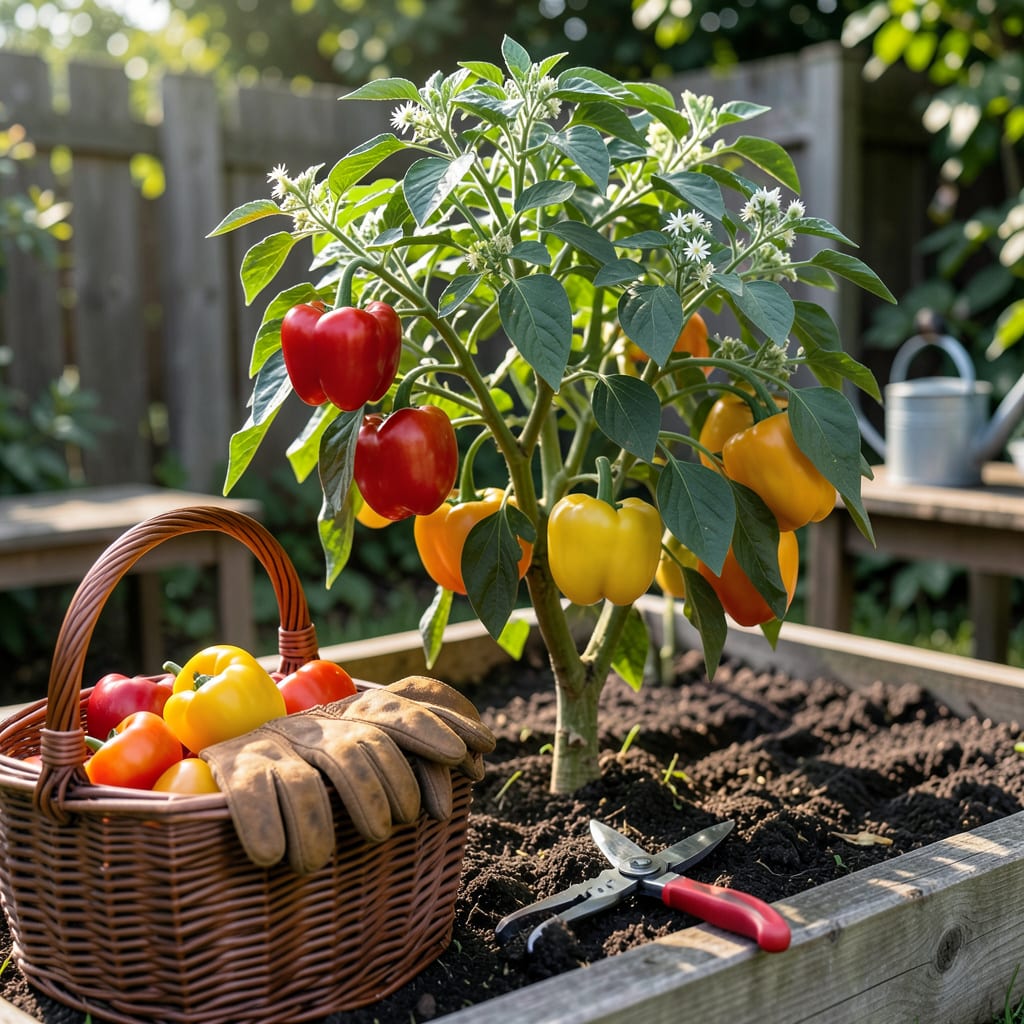
There’s nothing quite like the satisfaction of plucking a perfectly ripe pepper from your garden—juicy, vibrant, and bursting with flavor. But timing is everything: pick too soon, and you’ll miss out on that sweet, spicy punch; wait too long, and your 🌶️ peppers might turn mushy or lose their kick.
I’ve learned the hard way that color isn’t always the only clue. Whether you’re growing bell peppers, jalapeños, or fiery habaneros, I’ll show you the exact signs to watch for—so you never second-guess your harvest again. Let’s get this right.


Knowing exactly when to pick peppers can feel like a guessing game, but your plants actually give clear signals. The most obvious sign is color transformation—green peppers turning red, yellow, or orange—but that’s just the start. Each variety has unique indicators that tell you it’s harvest time.
I’ve found that texture and size are just as important as color. A ripe pepper should feel firm but yield slightly to pressure, like a tennis ball. Most varieties reach their full size before fully changing color, so don’t rush to pick just because they look big. Let’s explore the specific signs for different pepper types.
| Ready Color | Mature Size | Texture & Other Signs | |
|---|---|---|---|
| Bell Peppers | Red, yellow, orange, or purple | 3-4 inches long | Glossy skin, thick walls, slight give |
| Jalapeños | Dark green or red | 2-3 inches long | Corking (stretch marks), firm texture |
| Habaneros | Orange, red, or white | 1-2 inches long | Wrinkled skin, strong citrus aroma |
| Banana Peppers | Yellow or red | 4-6 inches long | Smooth, thin skin, slight curve |
| Poblano | Dark green or red | 3-5 inches long | Flattened shape, glossy surface |
For heat lovers, color is your best indicator of spiciness. A red jalapeño will be significantly hotter than a green one, while habaneros reach their maximum heat when fully orange. If you prefer milder flavors, harvest peppers when they’re still green but have reached full size.
Don’t forget about time from planting. Most peppers take 60-90 days to mature, but this varies by variety. In my experience, hot peppers often take longer to ripen than sweet varieties. Keep a garden journal to track your specific plants’ progress year to year.
The stem test is another reliable method. Gently tug on the pepper—if it comes away easily, it’s ready. If it resists, give it a few more days. Always use clean pruners to cut the stem rather than pulling, which can damage the plant and reduce future yields.
Weather plays a big role in ripening. Hot, dry conditions can speed up the process, while cool, wet weather may slow it down. I’ve noticed my peppers ripen faster during heat waves, sometimes shaving 10-15 days off the usual timeline. Adjust your expectations based on your local climate.
If frost is in the forecast, harvest all peppers immediately, even if they’re not fully ripe. Green peppers will continue to ripen indoors at room temperature. For best storage, keep them in a cool, dry place away from direct sunlight—they’ll stay fresh for up to two weeks.
Remember that regular harvesting actually encourages more production. The more you pick, the more peppers your plants will produce. I like to do a “test harvest” with one pepper first—if it’s perfect, I know the rest are ready too. This simple trick has saved me from many disappointing harvests! 🌱
Peppers don’t all ripen the same way—what works for bell peppers won’t apply to habaneros. The first clue is color change, but size and texture matter just as much. A mature bell pepper turns from green to red, while jalapeños develop those signature corky stretch marks when ready.
I always check firmness by gently pressing the skin—it should have a slight give, like a ripe avocado. Size is another telltale: most peppers reach 3–4 inches long at peak ripeness. If they’re still small and rock-hard, they need more time on the vine. Let’s break it down by variety.
| Ready Color | Size at Maturity | Texture Cues | |
|---|---|---|---|
| Bell Pepper | Red, yellow, or orange | 3–4 inches long | Glossy, firm with slight give |
| Jalapeño | Dark green or red | 2–3 inches long | Corky lines appear, crisp |
| Habanero | Orange or red | 1–2 inches long | Wrinkled skin, fragrant |
| Banana Pepper | Yellow or red | 4–6 inches long | Smooth, thin skin |
For heat lovers, color is critical: a red jalapeño is hotter than a green one. But if you prefer milder flavors, pick bell peppers when they’re still green but full-sized. Remember, peppers left too long can become overripe—soft, wrinkled, or even split.
Timing matters too. Most peppers take 60–90 days from planting to harvest, but hot weather speeds things up. In my garden, july’s heat can ripen jalapeños in just 70 days, while cooler climates might stretch it to 90+ days. Keep an eye on the forecast!
When harvesting, use clean pruners to snip the stem—never yank the fruit. This prevents damage to the plant and encourages more peppers to grow. If you’re unsure, pick one test pepper and taste it. Underripe? Give the rest a few more days.
Pro tip: If frost threatens, harvest all peppers, even green ones. They’ll continue ripening indoors at room temperature. Store them in a cool, dry place (not the fridge!) to keep them fresh for up to 2 weeks. Now you’re ready for a perfect harvest! 🌿
Getting a steady supply of peppers throughout the season isn’t just about luck—it’s about smart harvesting strategies. I’ve found that with a few simple techniques, you can keep your pepper plants producing well beyond their typical window. The key is understanding how your plants respond to picking.
First, let’s talk about selective harvesting. Instead of waiting for all peppers to ripen at once, I pick just the mature ones every 3-4 days. This signals the plant to redirect energy into producing new fruit rather than maintaining overripe ones. It’s like telling your plant, “Great job! Now make more!”
My second favorite trick is mid-season pruning. Around mid-August, I remove the oldest leaves from the bottom third of the plant. This improves air circulation (reducing disease risk) and forces the plant to focus on producing new growth and flowers. Just be sure to use clean pruners and make cuts at a 45-degree angle.
For those in cooler climates, frost protection can add weeks to your harvest. I use simple floating row covers when nighttime temps dip below 50°F. On extra chilly nights, I add Christmas lights under the cover for gentle warmth. This combo has let me harvest peppers well into October!
The final secret? Fertilize strategically. After your first big harvest, give plants a balanced 10-10-10 fertilizer to replenish nutrients. I mix 1 tablespoon into the soil around each plant and water deeply. This boost often triggers a second wave of flowers and extends production by 3-4 weeks.
Remember that watering consistency becomes even more critical as plants age. Aim for 1-2 inches per week, delivered in deep morning waterings. Stress from drought can cause peppers to drop flowers or develop blossom end rot. With these techniques, I routinely get peppers from July through first frost! 🪴
Green peppers are ready when they reach full size (typically 3-4 inches) and feel firm with a slight give. Check for a glossy skin and whether they snap easily from the stem. They won’t turn green again once picked, so wait until they’re fully grown.
Yes, but only for color changes—not size or flavor development. Green peppers will turn red/yellow indoors at room temperature. For best results, place them in a paper bag with an apple or banana to speed up ripening. They won’t get sweeter though.
Overripe peppers become soft, wrinkled, and may develop bitter flavors. They’ll also start producing seeds, which diverts energy from new fruit growth. In hot climates, they can even sunburn. Harvest promptly when fully colored.
Yes! Removing mature peppers signals the plant to produce more. I recommend harvesting 1-2 peppers per plant weekly once they start ripening. This “selective picking” method can extend your harvest season by 3-4 weeks.
It’s best to avoid harvesting when plants are wet. Wet peppers spoil faster and pulling them may spread disease. Wait until foliage is dry, then use clean pruners to cut stems. Morning harvests after dew dries are ideal.
