
Beautiful Plants For Your Interior
Beautiful Plants For Your Interior
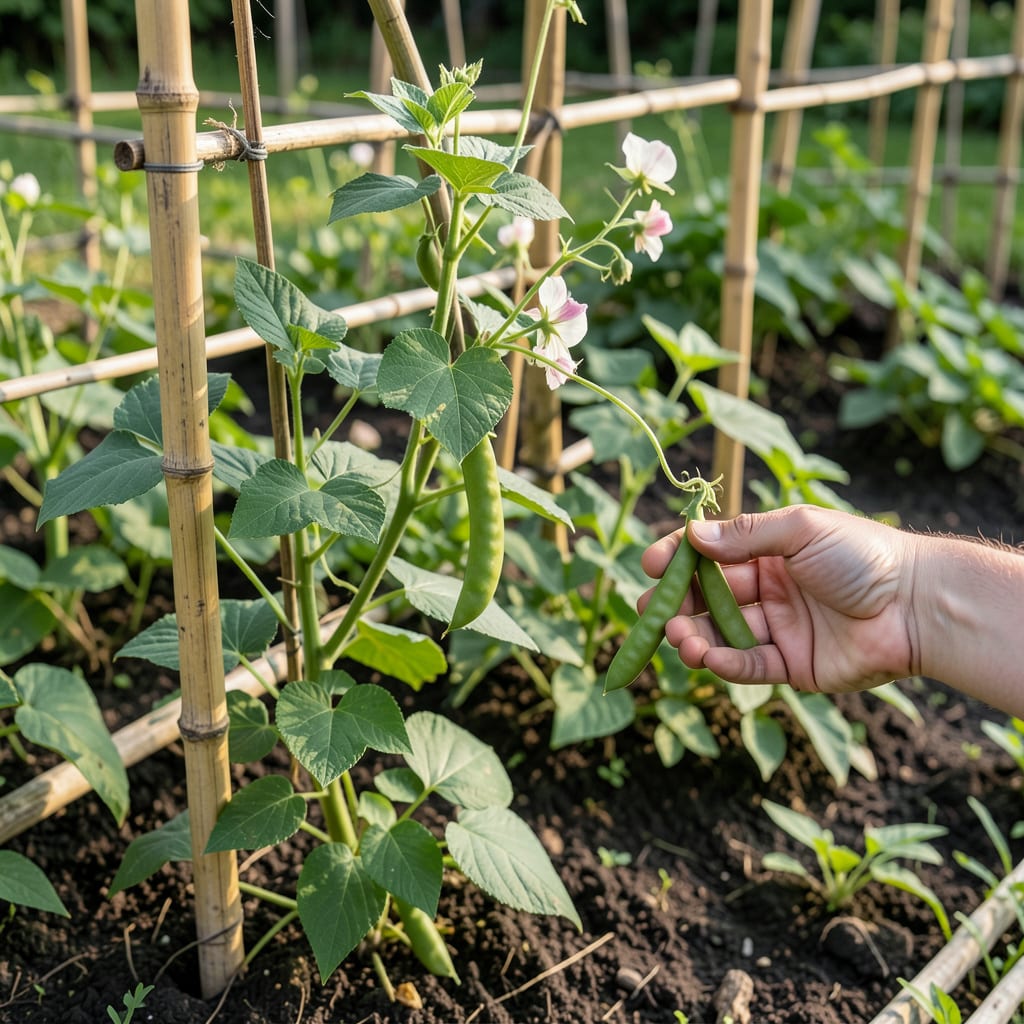
There’s nothing more satisfying than plucking a perfect pea pod right off the vine. With 🌱 Peas, timing is everything – too soon and they’re underdeveloped, too late and they lose that sweet crunch.
Discover the simple visual cues that tell you your crop is at its peak. From pod color to texture, I’ll show you exactly what to look for in your garden.


I always watch for bright green pods that look plump and rounded. This is the first sign your snap peas or snow peas are nearing readiness. Dull or flat pods mean they need more time on the vine.
The “snap test” is my go-to method: bend a pod gently. If it snaps cleanly with a crisp sound, it’s ready. For shelling peas, the pod should feel slightly soft when pressed.
| Pea Variety | Ready When | Pod Size |
|---|---|---|
| Snap Peas | Pods swell but peas stay small | 2-3 inches long |
| Snow Peas | Pods are flat with visible pea outlines | 2-4 inches long |
| Shelling Peas | Pods are bright and plump | 3-5 inches long |
For snow peas, I harvest when the peas inside are just beginning to form visible bumps. The pods should still be flat with a slight curve. Waiting too long makes them fibrous and tough.
Shelling peas are ready when the pods turn bright green and the peas inside are full-sized but still tender. I check by gently squeezing the pod – you should feel the peas inside.
The color change is another reliable indicator. Most varieties shift from a dull green to a vibrant, glossy green when mature. Yellowing pods mean they’re overripe and starchy.
I also pay attention to the vine’s appearance. Healthy vines with abundant foliage typically produce the best pods. If the plant looks stressed, the peas may mature unevenly.
For the best flavor, I harvest in the early morning when temperatures are cool. This helps preserve the peas’ natural sweetness and crisp texture.
Remember that regular picking encourages more production. I aim to check my plants every 2-3 days during peak season to catch pods at their prime.
If you’re growing multiple varieties, keep notes on their maturity timelines. Most peas are ready in 60-70 days, but some early varieties can be harvested in as few as 50 days. 🌱
I always start harvesting in the cool morning hours when peas are most crisp. This timing helps preserve their natural sweetness and minimizes stress on the vines during hot afternoons.
Using two hands is my secret technique: one hand holds the vine steady while the other gently pinches the pod at its base. This prevents accidentally pulling up the entire plant or damaging tender stems.
For snap peas and snow peas, I harvest by gently pulling the pod downward until it separates from the vine. The natural curve of these varieties makes them perfect for this one-handed technique.
With shelling peas, I find it works best to hold the pod with one hand while using my thumbnail to split the seam and pop out the peas. This method protects the vine while making the harvest process quicker.
I always check the lower portions of the vine first, as these pods typically mature earliest. Working my way up ensures I don’t miss any ready-to-pick peas hidden beneath the foliage.
After harvesting, I make it a point to inspect the plant for any signs of damage or disease. This quick check helps me maintain healthy vines for continued production throughout the season. 🌱
I’ve learned the hard way that waiting too long is the biggest mistake with peas. Once pods start to yellow or split, the peas inside become starchy and tough, losing that sweet flavor we all love.
Another common error is harvesting during heat. Picking peas in the hot afternoon can cause them to wilt quickly and reduces their crisp texture. Always aim for morning harvests when possible.
Warning: Never wait for pods to fully split open. This means the peas are overmature and the plant may stop producing new pods.
Many gardeners overlook the variety differences between pea types. Snow peas should be picked when pods are still flat, while shelling peas need to stay on the vine until they’re plump and rounded.
I’ve also seen people pull pods upward instead of using a gentle downward motion. This can damage the vine and reduce future yields. Always support the vine with one hand while picking with the other.
Finally, inconsistent harvesting leads to missed opportunities. Peas can go from perfect to overripe in just a few days, so I make it a habit to check my plants every 2-3 days during peak season. 🌱
Check every 2-3 days during peak season. Peas mature quickly and can go from perfect to overripe in just a few days. Regular picking also encourages more production.
Harvest in the early morning when temperatures are cool. This preserves their natural sweetness and crisp texture better than afternoon picking.
Overripe peas have yellowing pods or visible splits. The peas inside become starchy and tough, losing their sweet flavor. Avoid waiting this long!
Yes! Snow peas are ready when pods are still flat, while shelling peas need plump, rounded pods. Snap peas are perfect when they snap cleanly when bent.
