
Beautiful Plants For Your Interior
Beautiful Plants For Your Interior
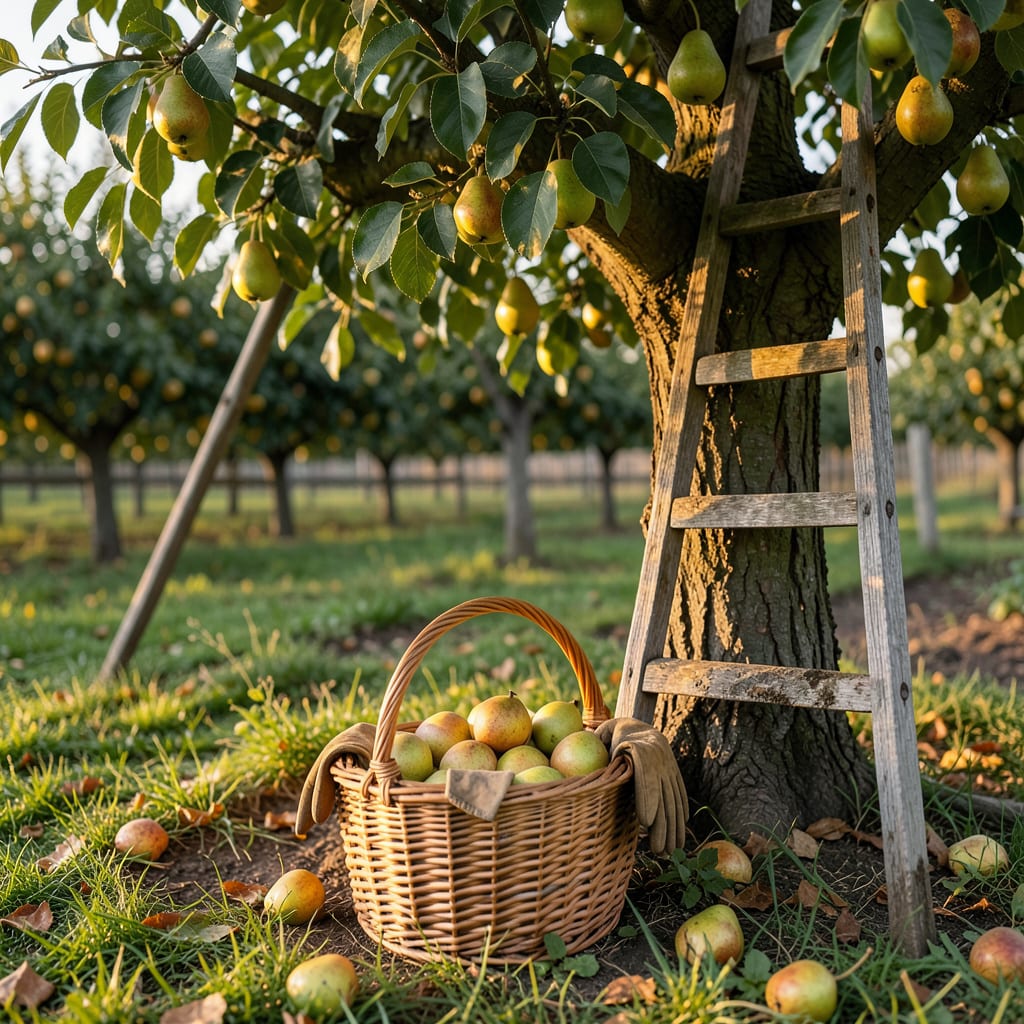
There’s nothing worse than biting into a pear you’ve nurtured all season—only to find it’s still rock-hard or worse, mushy. The secret to that perfect sweetness? Timing your harvest just right, and it’s easier than you think once you know what to look for.
I’ve spent years watching my 🍐 trees closely, and the signs are subtle but unmistakable. Whether you’re growing ‘Bartlett’ or ‘Bosc,’ I’ll show you exactly how to judge ripeness—no guesswork required. Let’s make sure your harvest is the juiciest one yet.


Timing is everything when harvesting homegrown pears. Unlike apples, pears ripen best off the tree, so waiting for full softness is a mistake. I’ve learned the hard way that color changes and stem separation are far more reliable than guesswork.
Different pear varieties—like Bartlett, Bosc, or Asian pears—have unique ripeness cues. For example, Bartletts shift from green to yellow, while Bosc pears develop a golden-brown hue. Let’s break down the specifics.
| Variety | Color Change | Stem Test | Harvest Window |
|---|---|---|---|
| Bartlett | Green → Bright yellow | Twists off easily | Late July–August |
| Bosc | Green → Golden-brown | Slight resistance | Mid-September |
| Anjou | Green → Light green/yellow | Firm but separates | October |
| Asian Pear | Green → Pale yellow | Crisp, no give | Late August |
For European pears like Bartletts, I check the neck area—it should yield slightly when pressed. Asian pears, however, stay firm even when ripe, so I rely on color brightening and a subtle sweet aroma near the stem.
A common mistake? Waiting for pears to soften on the tree. Most varieties ripen better indoors after picking. If left too long, they turn mealy. I use the “tilt test”: hold the pear horizontally—if it detaches with a gentle lift, it’s ready.
Climate matters too. In cooler zones (like USDA Zone 5), pears may ripen 2–3 weeks later than in warmer areas. I track my local first frost date—picking before frost prevents mushy, damaged fruit.
For late-season pears like Bosc, I watch for skin texture changes. A slight roughness near the stem often signals readiness. And don’t forget: taste-test one! Cut a sample open—ripe pears have tiny brown seeds; green seeds mean they need more time.
If you’re unsure, pick a few test pears and let them ripen indoors at room temperature. They’ll soften in 3–5 days if harvested at the right stage. Too early? They’ll stay hard. Too late? They’ll rot quickly.
Pro tip: Morning harvests yield the crispest pears. The fruit’s sugar content is highest after cool nights. Use pruning shears for hard-to-reach branches to avoid bruising.
Finally, store unripe pears in a paper bag with an apple or banana—the ethylene gas speeds ripening. Once soft, refrigerate to extend freshness for up to 2 weeks. Happy harvesting! 🌳
Timing your pear harvest isn’t about waiting for the fruit to soften on the tree—that’s a rookie mistake. Most pears, especially European varieties, ripen best after picking. The trick? Learning the finger test and other hands-on methods to gauge readiness without guessing.
Start with the gentle tilt test: cup the pear in your palm and tilt it horizontally. If it separates easily from the branch with a slight twist, it’s ready. No tugging needed! This works because pears develop an abscission layer when mature, making them detach cleanly.
⚠️ Don’t wait for full softness—most pears ripen best indoors!
For Asian pears (like ‘Shinseiki’), skip the tilt test—they’re ready when the skin turns from dull green to bright yellow and the flesh yields slightly to pressure. These varieties ripen on the tree, so timing is critical. Check daily once they start changing color.
The sweet aroma test is my secret weapon. Hold the pear near your nose—if you catch a faint, floral scent, it’s time. No smell? Leave it for a few more days. This works especially well for ‘Bosc’ pears, which stay firm until fully ripe.
If you’re unsure, pick a test pear and let it ripen indoors at room temperature. Most varieties need 3–5 days to soften. Cut it open: if the seeds are dark brown, the fruit is mature. Light seeds mean it needed more time on the tree.
Remember, cool weather slows ripening. In northern climates, pears may need an extra week or two compared to warmer zones. When in doubt, harvest slightly early and ripen indoors—it’s better than leaving them to overripen on the branch.
Picking pears at the wrong time can turn your harvest into a disappointment—but don’t panic! Even if you’ve misjudged the timing, there are ways to salvage your fruit. The key is understanding how pears ripen after picking, thanks to ethylene gas and starch conversion.
If you pick pears too early, they’ll stay hard and starchy no matter how long you wait. The seeds will still be white or pale green, and the flesh will lack sweetness. On the flip side, pears left too late on the tree turn mealy or ferment inside. Let’s break down how to fix both scenarios.
💡 Pro Tip: When in doubt, pick firm and ripen indoors!
For underripe pears, try the paper bag trick: place them in a bag with a ripe banana or apple. The ethylene gas from the banana will speed up ripening. Check daily—once the neck of the pear yields to gentle pressure, it’s ready to eat. This works best for Bartlett or Anjou pears.
If your pears are overripe, don’t toss them! Mushy pears can still be used for homemade pear sauce or blended into smoothies. Remove any brown spots first. For slightly overripe fruit, refrigerate immediately to slow further softening—this buys you 2–3 extra days of usability.
Climate plays a role too. In hot, dry summers, pears may ripen 1–2 weeks earlier than expected. I keep a harvest journal to track yearly variations. Note when your first pear reaches ideal ripeness each season—this becomes your baseline for future years.
Remember, Asian pears behave differently. They ripen on the tree and turn mealy if picked too late. Harvest them when the skin brightens but the flesh is still crisp. Store them in the fridge to maintain texture for up to 3 weeks. 🌿
Check the stem area for slight softness and give it a gentle twist. If it separates easily, it’s ready! Many varieties like Anjou stay green even when ripe, so rely on the tilt test and seed color (brown = mature).
Pick in the early morning when temperatures are cool. The fruit retains better texture and flavor after a cool night. Avoid midday heat, which can cause bruising and faster spoilage.
Place them in a paper bag with an apple or banana at room temperature. The ethylene gas speeds ripening. Check daily – they’ll soften in 3-5 days if harvested at the right stage.
This usually means they were left on the tree too long. Overripe pears ferment internally. Harvest at first color change and store in the fridge to prevent browning.
In cooler zones, pears may ripen 2-3 weeks later than average. Hot summers can speed ripening by 1-2 weeks. Track your local first frost date as a harvest deadline.
