
Beautiful Plants For Your Interior
Beautiful Plants For Your Interior
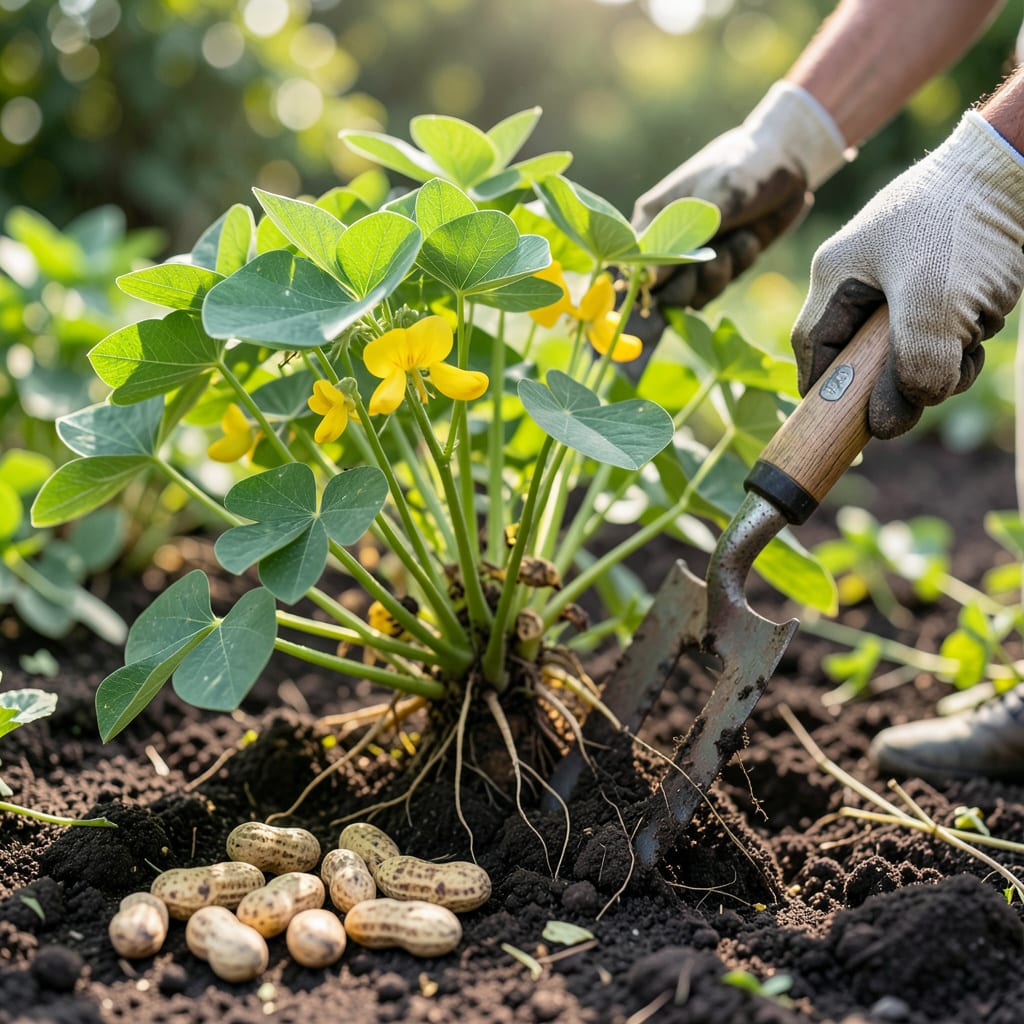
I remember the first time I grew Peanuts 🥜 – I nearly missed the harvest because the signs are subtle. Unlike tomatoes or peppers, you can’t just peek at the fruit to know it’s ready.
Timing is everything with this crop. Discover the field-tested indicators that tell you exactly when to dig, so you don’t end up with underdeveloped pods or overripe nuts.


I always watch for yellowing leaves first when my peanut plants are nearing maturity. This is the most obvious above-ground sign that the underground pods are developing and nearly ready for harvest.
The stems will also begin to weaken and turn slightly brown. When about 70% of the leaves have turned yellow, it’s a strong indicator that harvest time is approaching.
| Stage | Visual Sign |
|---|---|
| Early Maturity | Leaves start yellowing |
| Peak Readiness | 70% leaves yellow |
| Full Maturity | Stems weaken, pods visible |
| Overdue | All leaves brown, stems dry |
Another key indicator is the appearance of pegs – those special stems that grow downward from the flowers and enter the soil. When these pegs are visible and the ground around them shows small bumps, your peanuts are likely ready.
I recommend checking the pod development by carefully digging near the base of a plant. Mature pods will have fully formed shells that are easy to open, revealing plump nuts inside.
The shell color changes from white to a more papery tan as peanuts mature. This color shift is particularly noticeable in Virginia-type peanuts, which are popular among home gardeners.
For Spanish peanuts, the shells might appear slightly red or pinkish when ready. Each variety has its subtle differences, so I always research the specific type I’m growing.
Remember that soil temperature affects maturity. Peanuts planted in warmer soil (above 65°F) will mature faster than those in cooler conditions.
I’ve found that 120 days after planting is the sweet spot for most varieties in my zone 6 garden. However, this can range from 90 to 150 days depending on the type and growing conditions.
Finally, watch for dry, papery shells when you do check a pod. If the shells are still soft or green, give them more time. The nuts inside should be fully sized and fill the shell completely.
I always mark my calendar for September through October as prime harvest time for peanuts 🌱
I never rely solely on visual signs when determining peanut harvest time. The shell scratch test is my go-to method for confirming maturity. Gently dig up a few pods and lightly scratch the shell with your fingernail.
If the inside of the shell shows a dark color where you scratched, the nuts are mature. A white or light-colored scratch means they need more time in the soil.
The pod inspection technique is another reliable method. Carefully open a few pods to examine the nuts inside. Mature nuts will be fully sized and have a dry, wrinkled seed coat.
For most varieties, 120 days after planting is the target, but I always start testing at 90 days for early types. Spanish peanuts often mature faster than Virginia types, so adjust your testing schedule accordingly.
I recommend testing multiple plants since maturity can vary. If most pods pass these tests, it’s time to harvest. Remember that cool weather can delay maturity, so be patient if temperatures drop.
Finally, check the pegs – those special stems that enter the soil. When they’ve turned brown and the pods are clearly visible in the soil, your peanuts are likely ready for the full harvest 🌱
I’ve learned through experience that harvesting too early is one of the most common mistakes. Pulling peanuts before the pods are fully developed results in small, underfilled nuts that won’t store well.
Another critical error is waiting too long. Overmature peanuts can split their shells or begin to sprout in the soil, reducing both quality and storage life.
⚠️ Harvesting Warning: Never pull plants when soil is wet. This leads to clumping soil on roots and makes pod inspection nearly impossible.
Improper digging techniques can damage both plants and pods. Always use a garden fork rather than a shovel to gently lift the entire plant from the soil.
I see many gardeners make the mistake of harvesting all plants at once. Since maturity varies, I recommend checking individual plants and harvesting only those that show readiness signs.
Finally, post-harvest handling is crucial. Leaving dug plants in the sun too long can cause the pods to over-dry and crack. I always move my harvest to a shady, well-ventilated area to cure properly 🌱
Watch for yellowing leaves on 70% of the plant. The stems will also weaken and turn brown. These above-ground signs indicate underground pods are likely ready.
Use the shell scratch test. Gently dig up a pod and scratch the shell—if the inside shows dark, they’re mature. White means they need more time.
Start testing at 90 days for early types. Most varieties are ready around 120 days, but some may take up to 150 days.
Early harvest results in small, underfilled nuts that won’t store well. Always confirm maturity with the scratch test or pod inspection before pulling plants.
