
Beautiful Plants For Your Interior
Beautiful Plants For Your Interior
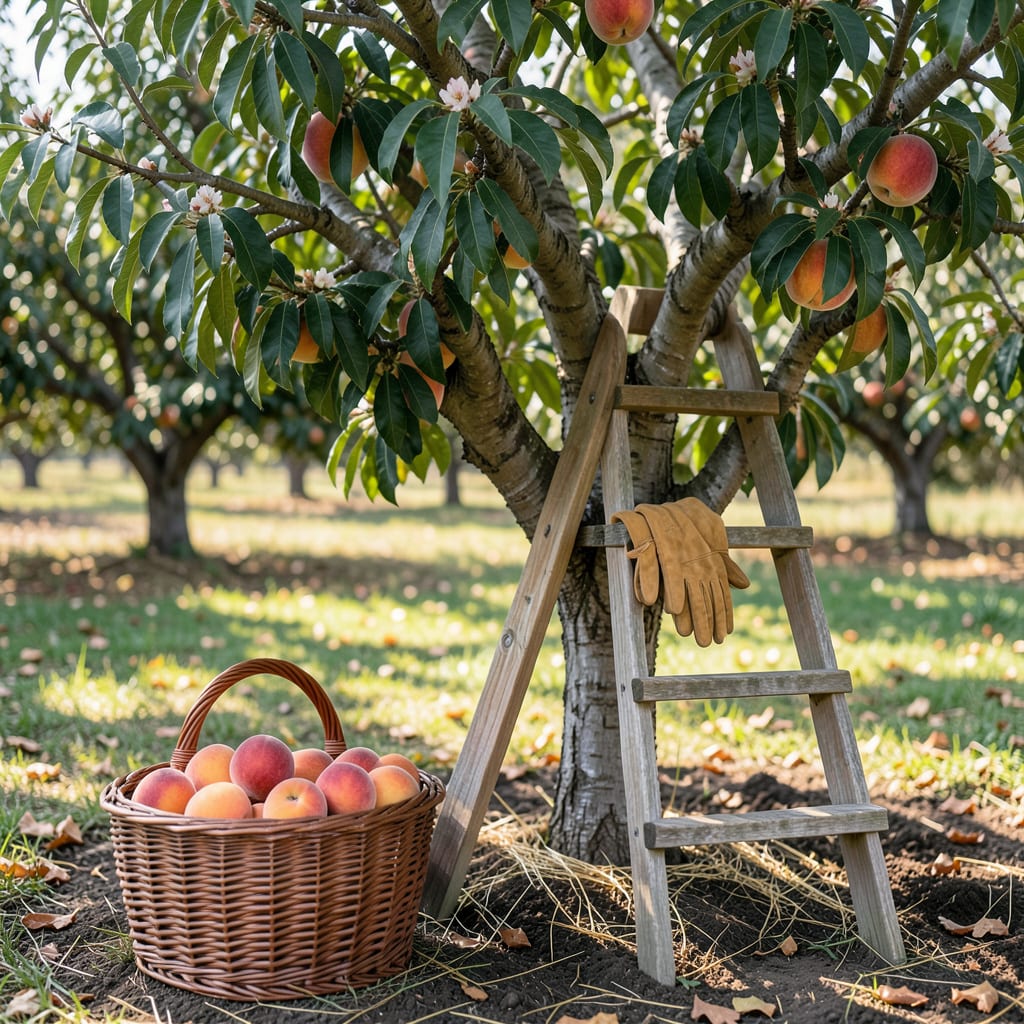
There’s nothing quite like biting into a perfectly ripe peach—juicy, sweet, and bursting with summer flavor. But get the timing wrong, and you’re left with fruit that’s either rock-hard or mushy beyond saving. I’ve been there, staring at my 🍑 trees wondering if today’s the day.
The secret isn’t just about waiting for the right month—it’s about reading your peaches’ subtle signals. From color shifts to that telltale fragrance, I’ll show you exactly what to look for. No more guessing games, just foolproof ripeness every time.


Nothing beats the taste of a tree-ripened peach still warm from the sun. But timing is everything—pick too soon, and you’ll get a rock-hard disappointment; wait too long, and the birds or bugs will beat you to it. I’ve learned the hard way that peaches don’t ripen like avocados after picking, so getting it right on the tree is critical for flavor.
After years of trial and error (and more than a few mealy peaches), I’ve narrowed it down to five foolproof signs of ripeness. These cues work for most varieties, whether you’re growing classic Redhavens or quirky donut peaches. Let’s break them down so you can harvest with confidence.
Pro Tip: Taste-test one! If it’s sweet and juicy, harvest the rest within 2–3 days.
One of the biggest mistakes I see is relying on red blush alone. That rosy hue is often just sun exposure, not ripeness! Instead, focus on the background color—the green or yellow undertones. For example, a ‘Elberta’ peach turns golden-yellow when ripe, while a ‘White Lady’ shifts to pale cream.
The twist test is my favorite trick because it’s foolproof. If the peach resists, leave it. If it pops off with a slight twist, you’ve hit the sweet spot. This method also prevents tearing the fruit’s skin, which can lead to rot during storage. Always use two hands—one to support the fruit, one to twist.
Climate plays a role too. In hotter regions (like Zone 9), peaches may ripen 1–2 weeks earlier than in cooler areas (Zone 5). If you’re in a humid climate, watch for fungal spots—harvest ripe peaches promptly to avoid brown rot. I keep a gardening journal to track harvest dates yearly; it’s the best way to predict timing.
What if your peaches aren’t ripening evenly? Thin the fruit early in the season (leave 6–8 inches between peaches) to ensure consistent size and ripeness. Overcrowded branches lead to small, tardy fruit. Also, reduce watering 2 weeks before harvest—too much moisture dilutes flavor and delays ripening.
For clingstone varieties (where the flesh sticks to the pit), the twist test won’t work—focus on color and aroma instead. Freestone peaches (like ‘Suncrest’) are easier to test since the pit separates cleanly when ripe. If you’re unsure, pick one and slice it open. The flesh near the pit should be yellow or orange, not green.
Remember, peaches ripen from the inside out. A fruit might look ready on the surface but still be green near the pit. That’s why the aroma test is so reliable—the scent comes from the flesh, not the skin. If you’re growing heirloom varieties, expect more variability in ripening times. I label branches with ripening dates to stay organized.
Finally, harvest in the early morning when temperatures are cool. Peaches picked in the heat bruise easily and spoil faster. Use a shallow basket to avoid crushing, and handle them like eggs—no stacking! Store ripe peaches at room temperature for 1–2 days max, or refrigerate to slow ripening.
With these signs, you’ll never second-guess your harvest again. And trust me, once you’ve tasted a peach picked at its peak ripeness, you’ll never settle for store-bought again. Now grab your basket and get picking—those peaches won’t wait forever! 🪴
If you’ve ever wondered why your neighbor’s Redhaven peaches ripen weeks before yours, it’s likely because not all peach varieties follow the same timeline. The secret to perfect picking lies in knowing whether you’re growing an early-season, mid-season, or late-season variety. 🌱
Early varieties like Springcrest or Crimson Rocket can be ready as soon as late June, while late-season types like Elberta might not ripen until August or even September. Climate plays a huge role too—warmer zones see faster ripening than cooler areas.
*Adjust timelines based on your USDA zone—cooler climates add 7-14 days.
For early-season peaches, watch for rapid color changes—they often transition from green to ripe in just 3-4 days. Mid-season varieties give you a slightly longer window, while late-season peaches like O’Henry may hold on the tree for weeks without overripening. ✅
Pro tip: If you’re growing freestone peaches (like Elberta), they’ll separate cleanly from the pit when ripe. Clingstone varieties (common in early types) require a gentle twist to release. Always check the ground color—it should shift from green to creamy yellow or orange. ☀️
In hotter climates (Zones 8-10), peaches may ripen 10-14 days earlier than listed. Conversely, in cooler zones (5-6), add 7-10 days to the estimated timeline. A sudden heatwave can accelerate ripening, so check daily during warm spells.
Don’t forget: Taste testing is the ultimate judge! Sample one fruit when you think it’s close—if it’s sweet with just a hint of tartness, the rest are likely ready. Underripe peaches can be ripened indoors in a paper bag at room temperature for 2-3 days. 🪴
For the most accurate timeline, note your tree’s bloom date—most peaches ripen 120-150 days after flowering. Keep a gardening journal to track yearly variations, and you’ll become a peach-picking pro in no time!
Timing your peach harvest isn’t just about flavor—it’s about texture, shelf life, and even next year’s crop. I’ve ruined more than a few batches by being impatient or waiting too long. Early picking gives you hard, tart fruit that may never sweeten properly, while overripe peaches turn mushy within hours. 🌡️
The window for perfect ripeness is surprisingly narrow—often just 2-3 days per fruit. Pick a peach too soon, and it’ll stay starchy and bland no matter how long you leave it on the counter. Wait too long, and you’ll attract fruit flies, wasps, and brown rot that can spread to other fruit.
Can ripen slightly indoors in a paper bag with a banana for 2-3 days.
Best for immediate jams, sauces, or freezing.
Ideal Window: 2-3 days when fruit shows full color + slight give.
For slightly underripe peaches, place them in a single layer at room temperature (never refrigerate until ripe). Add an apple or banana to the container to speed ripening—the ethylene gas they release helps soften the fruit. Check daily and turn them to prevent bruising.
Overripe peaches aren’t a total loss! Blend them into smoothies, cook into fruit leather, or freeze as peach cubes for later use. The key is acting fast—once they’re mushy, you’ve got about 12 hours before they’re compost material. I keep a freezer stash of overripe peaches for winter baking. ☀️
Here’s a trick for clingstone varieties: If you’ve picked them slightly early, let them sit at room temp for 48 hours before refrigerating. The flesh will soften just enough to separate from the pit. For freestone peaches, refrigerate immediately after picking to preserve texture—they deteriorate faster once ripe.
Remember, peach trees are sensitive to harvest stress. Rough picking or removing unripe fruit can reduce next year’s yield by up to 30%. Always use two hands—one to support the fruit, one to twist—and never pull downward. Your tree will thank you with bigger, sweeter peaches next season! 🌿
Check the background color near the stem—it should shift from green to creamy yellow or golden. Gently press near the stem; ripe peaches yield slightly like a firm pillow. The twist test is foolproof: if it separates easily with a gentle twist, it’s ready.
Pick in the early morning when temperatures are cool. Peaches harvested in heat bruise easily and spoil faster. Use a shallow basket to prevent crushing, and handle them gently—like eggs! Avoid stacking to prevent bruising.
Peaches won’t ripen much after picking, but slightly underripe ones can soften indoors. Place them in a paper bag with a banana or apple at room temperature for 2-3 days. Check daily—they won’t get sweeter, just softer.
Variations in sun exposure, branch location, and fruit size cause uneven ripening. Thinning fruit early (leaving 6-8 inches between peaches) helps. Hotter microclimates on the tree’s south side also speed ripening.
Store ripe peaches at room temperature for 1-2 days max, or refrigerate to slow ripening. Keep them in a single layer to avoid bruising. Overripe peaches? Freeze as cubes or cook into jams immediately.
