
Beautiful Plants For Your Interior
Beautiful Plants For Your Interior
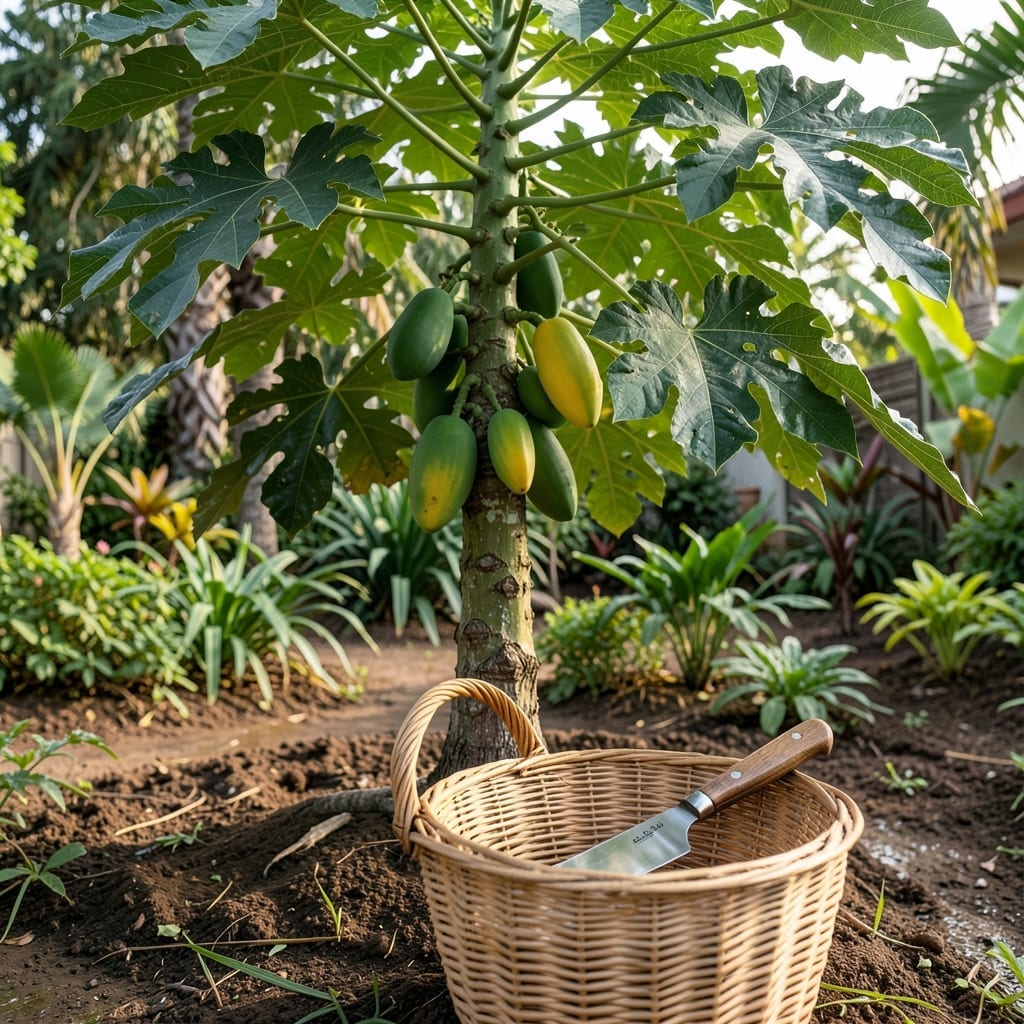
Craving that perfect sweet, juicy bite from a homegrown 🍈 Papaya? Timing is everything with this tropical fruit. Unlike most crops, Papayas defy traditional seasonal rules.
In zones 10-12, you might harvest year-round, but elsewhere the window shrinks dramatically. The difference between a meh Papaya and an incredible one often comes down to when you pick it.
I’ll show you how and when to get the best flavor from your tree, no matter where you’re growing. Let’s dig into the details.
If you’re growing papayas or planning to, knowing the seasonal window is key. These tropical fruits thrive in warm climates and often produce year-round in ideal conditions. But timing varies by region, so let’s break it down.
In Hawaii and Florida, papayas can fruit continuously due to the stable warmth. Meanwhile, in Central America and South America, peak harvests often align with dry seasons for the sweetest results.
| Region | Primary Harvest | Climate Notes |
|---|---|---|
| Hawaii | Year-round | Tropical, frost-free |
| Florida | Spring to Fall | Subtropical, cold-sensitive |
| Central America | Dry Season | Warm, humid |
| Asia | Summer to Early Fall | Monsoon influences |
| Australia | Late Spring to Summer | Warm coastal areas |
For home gardeners in USDA zones 10-12, papayas can produce multiple harvests per year. The first fruits typically appear 9-12 months after planting, with peak production in summer and early fall.
In cooler regions, like California or Texas, papayas may only fruit during the hottest months. If frost threatens, protect plants with frost cloth or move containers indoors to extend the growing season.
I’ve found that consistent warmth and full sun are non-negotiable for papayas. They struggle in temperatures below 32°F, so timing your planting after the last frost is crucial in marginal climates.
Soil conditions also play a role. Papayas prefer well-draining soil with a pH of 6.0-7.0. If your soil is heavy, amend with compost or plant in raised beds to improve drainage and root health.
For gardeners in non-tropical areas, consider dwarf varieties like ‘Solo’ or ‘Waimanalo’. These are better suited for containers and can be moved indoors during colder months.
Remember, papayas grow fast—often reaching 5-10 feet in a single season. Stake young trees to prevent wind damage and ensure they have enough space to thrive. With the right care, you’ll be rewarded with delicious, homegrown papayas at their peak.
Keep an eye on weather patterns too. A late frost or unexpected cold snap can wipe out a season’s worth of growth, so always have a backup plan for protection.
🌱
Timing your papaya harvest perfectly ensures the best flavor and texture. Unlike some fruits, papayas don’t ripen well after picking, so knowing the right signs is critical for gardeners.
I always check for color changes first. A ripe papaya transitions from deep green to a yellowish hue, starting at the bottom of the fruit. This is your first clue that it’s nearing peak ripeness.
The tap test is another great method. Gently tap the fruit—a hollow sound indicates it’s ready, while a solid thud means it needs more time on the tree.
For home gardeners, I recommend harvesting early in the morning when temperatures are cooler. This helps preserve freshness and prevents over-ripening in the heat of the day.
If you’re growing multiple papaya trees, check them daily during peak season. Papayas can go from perfectly ripe to overripe in just 24-48 hours, especially in hot climates.
Remember, unripe papayas stay hard and green. If you pick too early, they’ll lack the sweetness and juiciness that make this tropical fruit so special. Patience is key!
🌿