
Beautiful Plants For Your Interior
Beautiful Plants For Your Interior
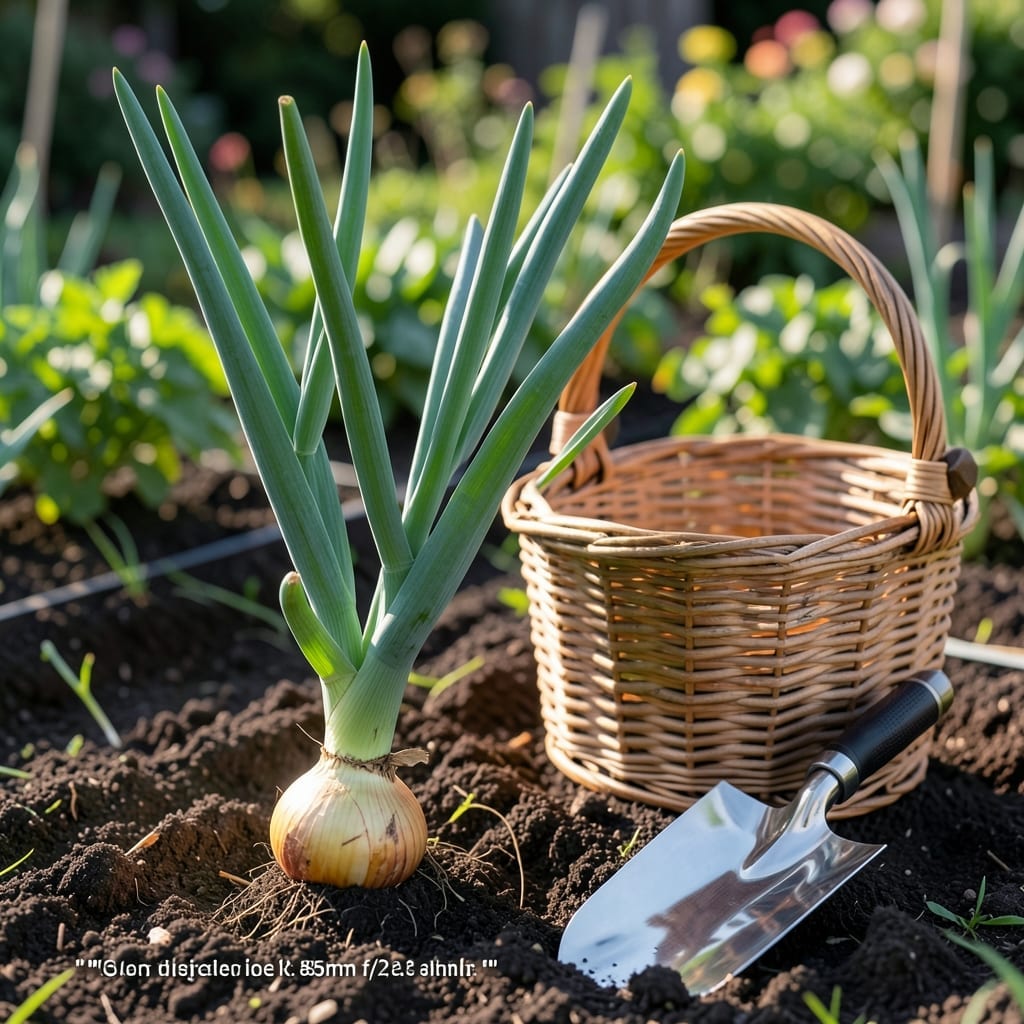
Knowing when 🧅 Onion is in season can transform your cooking and gardening game. Whether you’re planting your own crop or just want the freshest produce, timing is everything with this versatile vegetable.
For gardeners in zone 6, the ideal planting window is March – April. This spring start sets you up for a bountiful harvest when the weather warms up.
I’ll walk you through the complete seasonal timeline, from planting to harvest, so you can enjoy the best flavor and yield. Let’s dig in.
I love how onion varieties each have their own growing rhythm based on daylight. Short-day onions thrive in milder climates with less sunlight, while long-day types need those long summer days to form bulbs.
Intermediate-day onions offer a middle ground, perfect for mid-latitude regions. Understanding these differences helps me plan my garden for the best harvest timing and yield potential.☀️
| Onion Type | Ideal Daylight | Best Regions | Planting Time | Harvest Time |
|---|---|---|---|---|
| Short-Day | 10-12 hours | Southern U.S. | Fall/Winter | Spring/Early Summer |
| Long-Day | 14-16 hours | Northern U.S. | Early Spring | Late Summer/Fall |
| Intermediate-Day | 12-14 hours | Mid-Latitude | Early Spring | Mid to Late Summer |
In my Zone 6 garden, I focus on long-day onions like ‘Sweet Sandwich’ or ‘Yellow Ebenezer’. These need 14-16 hours of daylight to bulbs properly, which our summer solstice provides perfectly.
Short-day varieties like ‘Texas Early White’ won’t bulb well here. They’re bred for southern latitudes where winter daylight is shorter. Planting them in northern gardens often results in small bulbs or just green onions.
Intermediate-day onions are my versatile choice for areas with moderate daylight. Varieties like ‘Candy’ perform well across a wider range of climates, making them ideal for gardeners in transition zones.
I’ve learned that daylight hours trigger bulb formation. Long-day onions need those long summer days to start bulbing, while short-day types begin the process with less sunlight. This is why variety selection is crucial.
For spring planting, I start onion sets or transplants about 4-6 weeks before the last frost. In Zone 6, that’s typically mid-March to early April. This gives them time to establish roots before bulb formation begins.
The harvest window varies by type. My long-day onions are usually ready in late July through September. I watch for yellowing tops and falling over as the primary harvest signs.🌱
Remember that soil temperature also plays a role. Onions prefer cool to mild conditions early on, then warmer soil for bulb development. I aim for 60-75°F soil temps during the growing season for optimal results.
By matching onion varieties to your daylight conditions and climate, you’ll ensure a successful harvest every time. This approach has consistently given me larger, sweeter bulbs in my garden.
I always plan my onion planting around hardiness zones to maximize yield. In Zone 6, I start sets or transplants in early March for a summer harvest. Timing is key for bulb development.
For northern gardeners, long-day onions need those long summer days to size up. I’ve found July through September is prime harvest time when tops yellow and fall over.
| Zone | Planting Time | Harvest Time | Best Varieties |
|---|---|---|---|
| Zones 3-5 | April-May | Aug-Sept | Long-Day |
| Zones 6-7 | March-April | July-Sept | Long-Day |
| Zones 8-10 | Oct-Nov | April-June | Short-Day |
In Zone 8 and warmer, I’d plant short-day onions in fall for a spring harvest. Varieties like ‘Texas Early White’ thrive with shorter daylight and milder winters.
For extended harvests, I stagger planting dates or use different varieties. ‘Candy’ onions, an intermediate-day type, bridge the gap between short-day and long-day seasons beautifully.
I monitor soil temperature closely. Onions prefer 60-75°F for optimal growth. In cool springs, I use black plastic mulch to warm the soil faster.
Remember that daylength triggers bulb formation. If I plant long-day onions too late in southern zones, they may not form bulbs before hot weather arrives.☀️