
Beautiful Plants For Your Interior
Beautiful Plants For Your Interior
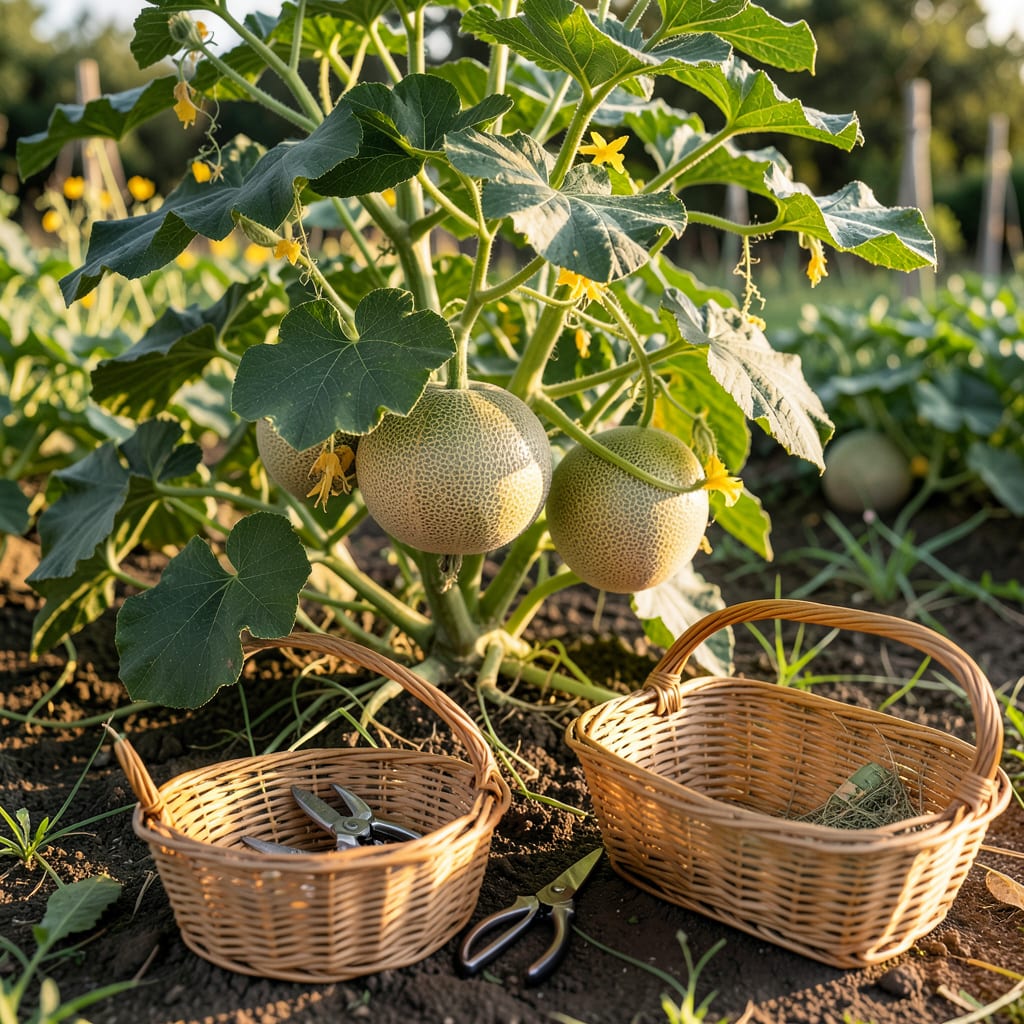
There’s nothing worse than cutting open a muskmelon only to find it’s not quite ready. With the 🍈 Muskmelon, timing is everything for that perfect sweetness.
I’ll show you the two most reliable signs to watch for, so you’ll never guess wrong again. These simple checks take just seconds but make all the difference.


I’ve found the stem slip method is the most reliable indicator for muskmelon ripeness. This simple test reveals when the fruit is ready to separate from the vine naturally.
The stem slip occurs when the melon detaches cleanly from the vine with just a gentle tug. If it doesn’t come off easily, it’s not ready yet.
| Stage | Sign |
|---|---|
| Not Ready | Stem firmly attached |
| Ready | Stem slips off easily |
| Overripe | Stem falls off naturally |
To test for stem slip, gently press your thumb against the stem where it meets the melon. A ripe melon will release with minimal pressure.
Many gardeners make the mistake of pulling too hard when checking. This can damage the vine or the fruit. Always use a gentle touch.
The stem slip works because the abscission layer forms between the stem and fruit when it’s ripe. This is nature’s way of telling you it’s harvest time.
I recommend checking daily as your melons approach maturity. The transition from not ready to perfect ripeness can happen quickly, sometimes overnight.
Remember that days to maturity are just estimates. Weather, soil conditions, and variety can all affect the actual harvest time.
For the most accurate results, combine the stem slip test with other ripeness indicators like scent and color changes.
In my experience, morning harvesting gives the best results. The fruits are typically at their peak sweetness after a cool night.
With practice, you’ll develop an instinct for when your muskmelons are ready to pick. The stem slip method takes the guesswork out of the process 🌱
While the stem slip method is my go-to, I always check for additional ripeness signs to confirm. The most noticeable is the sweet musky aroma at the blossom end.
A ripe muskmelon will have a strong fragrance that you can smell without even cutting it open. If there’s no scent, it likely needs more time on the vine.
The rind color transformation is another visual cue. Most muskmelons change from bright green to a cream or yellow hue as they ripen. This varies by variety, so know your specific type.
I also look for the netting pattern on the rind to become more defined. This textural change often coincides with the color shift and indicates the fruit is maturing properly.
For the most accurate assessment, I combine all these signs. The stem slip plus sweet aroma plus color change gives me confidence in my harvest timing.
Remember that weather conditions can affect these indicators. Hot, dry periods may accelerate ripening, while cool, wet weather can slow it down. Always adjust your expectations based on your local climate 🌱
I see many gardeners make the same harvesting mistakes with muskmelons. The most common is relying solely on days-to-maturity from the seed packet.
While those numbers are helpful guides, they’re just estimates. Your specific growing conditions can make the actual time vary by a week or more.
⚠️ Warning: Don’t pull muskmelons from the vine. Always check for stem slip first to avoid damaging the fruit and plant.
Another frequent error is checking at the wrong time of day. I always test for ripeness in the morning when the plants are fresh and turgid.
Evening checks can be misleading because heat stress during the day may temporarily affect the stem’s connection to the fruit.
I’ve also seen gardeners ignore weather effects. A stretch of cool, cloudy days can delay ripening, while hot, dry weather may speed it up.
Adjust your expectations based on recent conditions and check more frequently during extreme weather periods 🌱
A ripe one gives off a sweet musky aroma at the blossom end. If there’s no scent, it needs more time
The stem stays firmly attached, the rind remains green, and there’s no fragrance. Check again in 1-2 days
Never pull! Gently press near the stem – a ripe one will slip off easily. Pulling can damage the plant
Color shift to cream/yellow helps, but combine it with stem slip and scent for accuracy. Some varieties stay green when ripe
