
Beautiful Plants For Your Interior
Beautiful Plants For Your Interior
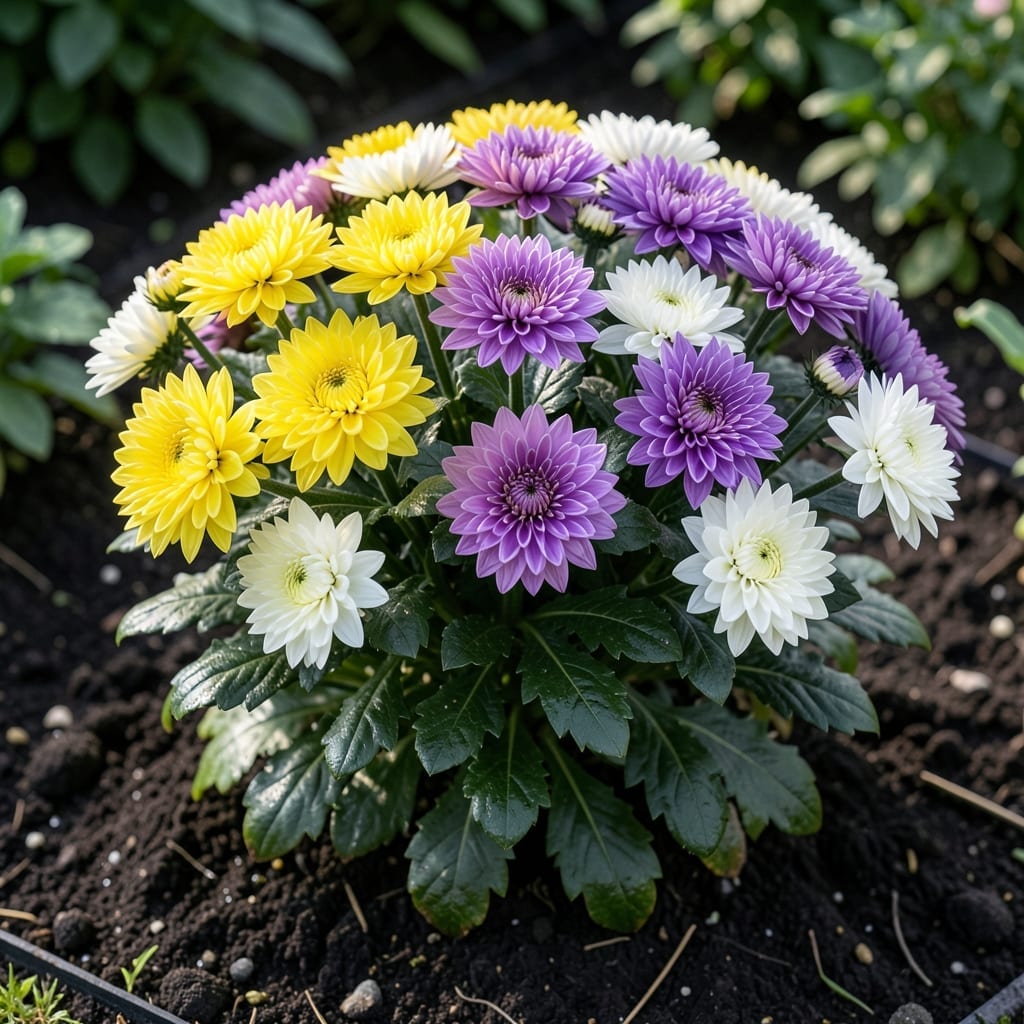
There’s nothing quite like the vibrant burst of color that Chrysanthemums 🌼 bring to a garden. These hardy flowers can transform any space, but timing is everything when it comes to their blooming season.
I’ve learned that understanding their seasonal patterns ensures you get the most out of these beauties. Whether you’re a seasoned gardener or just starting out, knowing when to expect their peak can make all the difference.
Discover how to align your planting and care with their natural cycle for a garden that stays lively and colorful when it matters most.
If you’ve ever wondered when mums bloom, the answer depends on the variety. Garden mums typically flower from late summer to fall, while florist mums are often forced to bloom for holidays like Mother’s Day or Thanksgiving. 🌼
Climate plays a big role too. In warmer USDA zones 7-9, mums may start blooming as early as August. Cooler zones like 4-6 usually see peak blooms in September or October. Knowing your zone helps you time your planting perfectly. 🌿
Early-blooming varieties like ‘Sheffield Pink’ can start flowering in July in warmer climates. These are perfect for gardeners wanting extended color before the traditional fall display. I love planting these near walkways for a cheerful summer greeting. 🌻
For mid-season blooms, look to varieties like ‘Clara Curtis’. These typically peak in September and handle light frosts well. They’re ideal for USDA zones 5-7 where early frost is a concern. Their deep pink daisy-like flowers are a garden favorite. 🌷
Late-season mums such as ‘Emperor of China’ often bloom until hard frost hits. These are your best bet for October and November color. Plant them in full sun and well-draining soil for the best results. They’ll reward you with long-lasting blooms when most other flowers have faded. ✂️
In coastal areas with mild winters, some mums may even produce a second flush of blooms in spring. This happens when winter temperatures stay above 20°F. A light pruning after the first bloom can encourage this bonus display. 🌡️
Remember that day length triggers blooming in mums. They’re short-day plants, meaning they start forming buds when days get shorter in late summer. This is why they’re such reliable fall bloomers in most regions. ☀️
For gardeners in zone 4, start mums indoors or in a greenhouse in early spring. This gives them a head start before the growing season. Transplant them outdoors after the last frost date for the best chance of fall blooms. 🌱
No matter your location, choosing the right variety for your climate and planting time is key. With a little planning, you can enjoy continuous mum blooms from summer through fall. I’ve found that mixing early, mid, and late varieties creates a stunning, ever-changing display. 🪴
I’ve found that with the right care, you can extend your mums’ bloom time by several weeks. The key is understanding their growth habits and giving them what they need at each stage. 🌼
Deadheading spent blooms regularly encourages new flower production. I make it a habit to check my mums every few days and remove faded flowers. This simple step can add 2-3 extra weeks of color to your garden. 🌿
Proper planting timing is crucial for extended blooms. I plant my garden mums in early spring so they establish strong root systems before summer heat. This gives them the energy to produce more flowers over a longer period. ✂️
Light exposure significantly affects bloom duration. While mums love sun, in hot climates, afternoon shade can prevent premature wilting. I’ve noticed my mums last longer when they get morning sun and afternoon protection in zone 8. ☀️
Fertilizer timing can make or break your bloom season. I stop fertilizing my mums by late summer to avoid promoting new growth that might be damaged by early frosts. Instead, I focus on phosphorus-rich feeds in early fall to support existing blooms. 💧
Protecting from early frost can extend your season. When temperatures drop, I cover my mums with frost cloth overnight. This simple step has helped me enjoy blooms well into November in my zone 6 garden. 🌡️