
Beautiful Plants For Your Interior
Beautiful Plants For Your Interior
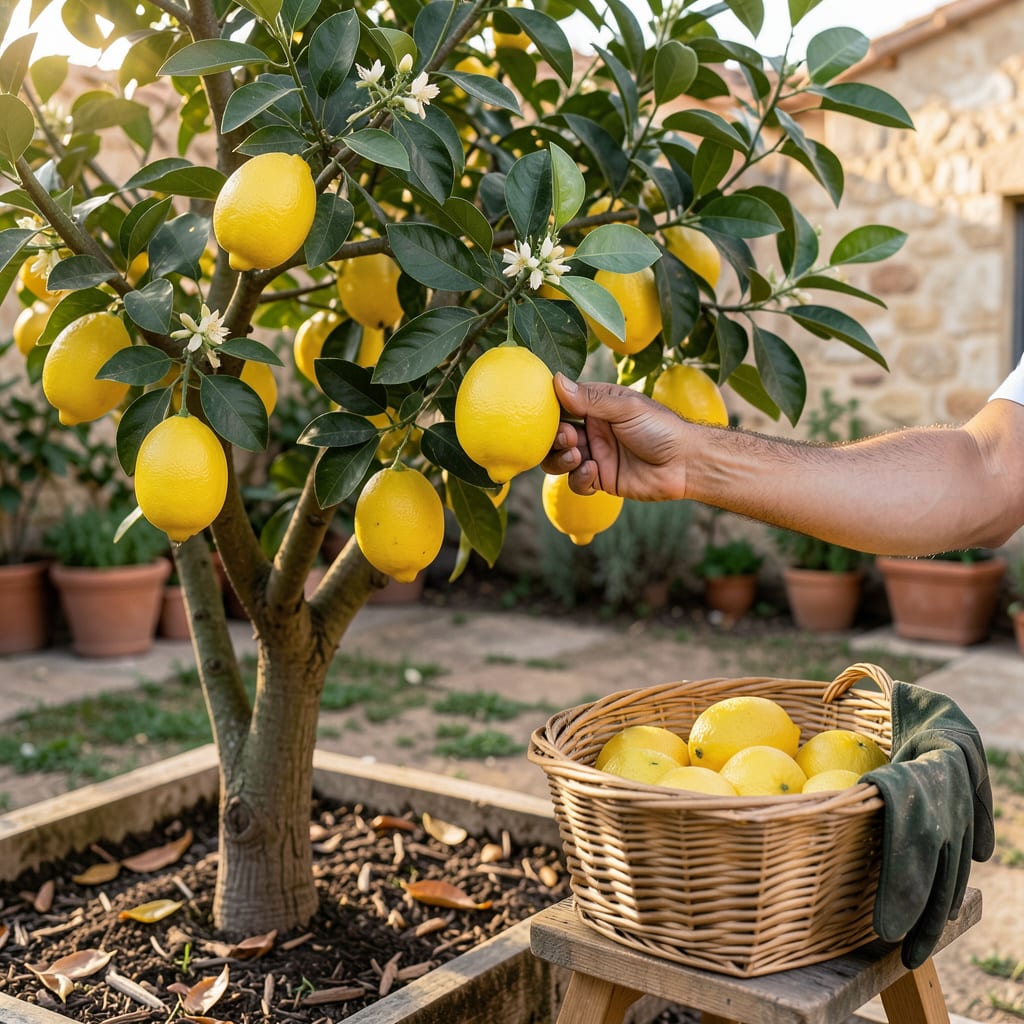
There’s nothing quite like plucking a perfectly ripe lemon from your own tree—juicy, fragrant, and bursting with flavor. But knowing exactly when to harvest can feel like guessing game. Too early, and you’ll get tart disappointment; too late, and the fruit may over-soften.
I’ve learned the hard way that timing and visual cues make all the difference. Whether you’re growing Eureka or Meyer lemons, I’ll show you the foolproof signs to look for—so you never second-guess your harvest again. Let’s get started.


Nothing beats the satisfaction of harvesting perfectly ripe lemons from your own tree. But how do you know they’re truly ready? The secret lies in five key visual cues that go beyond just color. I’ve learned through trial and error that these signs ensure maximum juiciness and flavor.
First, forget the myth that lemons must be bright yellow to be ripe. Many varieties, like Meyer lemons, develop their full flavor while still sporting a greenish-yellow hue. Instead, focus on a combination of factors—size, texture, aroma, and ease of detachment—to determine true ripeness.
Look for a shift from glossy green to matte yellow. Some varieties (like Eureka) turn fully yellow, while Meyers may stay slightly green when ripe. 🟡
Most lemons reach 2-3 inches in diameter when ripe. Compare to a baseball for Eureka or a tennis ball for Meyer. Size varies by variety, so know your tree!
Gently squeeze—ripe lemons give slightly under pressure, like a ripe avocado. Avoid fruits that feel rock-hard (underripe) or mushy (overripe). ✅
Ripe lemons emit a strong citrusy fragrance. Hold the fruit near your nose—if you smell nothing, it’s not ready. Meyer lemons often have a sweeter, almost floral scent when ripe. 🔊
Give a gentle upward twist—ripe lemons separate easily from the branch. If it resists, leave it for another week. Never pull forcefully; this damages the tree. 🪴
Here’s a trick I swear by: The “sunny side test”. Lemons on the south-facing side of your tree often ripen 1-2 weeks earlier than shaded fruit. Check these first for ripeness clues, then compare to other lemons on the tree.
If your lemons are still green but full-sized, don’t panic! Some varieties (especially Meyer) ripen internally first. To speed up color change, place them in a paper bag with an apple for 2-3 days. The ethylene gas will turn the skin yellow without affecting flavor.
Watch out for overripe lemons—they’ll feel spongy, develop wrinkled skin, or start to drop from the tree. These are still usable but won’t store as long. For best results, harvest lemons at peak ripeness and store them at room temperature for up to a week.
Remember, lemon trees can hold fruit for months, so don’t rush your harvest. If you’re unsure, pick one test lemon and taste it. Underripe lemons will be extremely sour, while perfectly ripe ones balance acidity and sweetness. Happy harvesting!
After picking, avoid washing lemons until you’re ready to use them—moisture speeds up spoilage. Instead, wipe them gently with a dry cloth. For long-term storage, place lemons in a sealed bag in the fridge, where they’ll keep for 3-4 weeks. 🌿
If you’ve ever wondered when lemons are ready to pick, the answer depends on your lemon variety and climate zone. While some lemons ripen year-round in tropical areas, others follow a seasonal pattern. For example, Eureka lemons peak in late winter to early spring, while Meyer lemons often ripen in fall and winter.
Your local USDA zone plays a huge role too. In Zone 9-11, you might harvest lemons almost anytime, but in cooler Zone 7-8, the window narrows to summer through early fall. Always check your tree’s specific needs—some varieties, like Lisbon lemons, produce fruit in flushing cycles throughout the year.
💡 Pro Tip: In cooler zones, cover trees with frost cloth to extend the harvest window by 2-3 weeks.
Don’t rely solely on the calendar—watch your lemons for ripeness cues. Even within the same variety, fruit on the sunniest branches often ripens 1-2 weeks earlier than shaded ones. If you’re in a humid climate, lemons may take longer to turn fully yellow, but they’re still ripe when they reach full size (2-3 inches) and develop a sweet citrus aroma.
For year-round harvests, consider planting multiple varieties. Pair an early-season Eureka with a late-season Meyer to stretch your lemon supply. If you’re growing in containers, move pots indoors before frost to protect developing fruit. Remember, lemon trees can hold fruit for months—so don’t rush the harvest!
If your lemons stay green but are mature, try this trick: Place them in a paper bag with an apple for 2-3 days. The ethylene gas from the apple will speed up the color change without affecting flavor. This works best for Meyer lemons, which often ripen internally before their skin turns yellow.
After picking, store lemons at room temperature for up to 1 week or refrigerate for 3-4 weeks. Avoid washing them until ready to use—moisture speeds up spoilage. For the juiciest results, let lemons sit at room temp for a day before squeezing. Now you’re ready to enjoy that homegrown citrus flavor! 🪴
Even experienced gardeners sometimes sabotage their lemon harvest without realizing it. One of the biggest mistakes? Picking too early. I’ve seen eager growers harvest lemons the moment they turn yellow, only to find them painfully sour and underdeveloped. True ripeness requires patience—wait until the fruit meets all visual cues we discussed earlier.
Another common blunder is ignoring the “twist test”. If you have to yank or pull hard, the lemon isn’t ready. A ripe lemon should detach with a gentle upward twist. Forcing it can damage both the fruit and the branch, reducing future yields. Always use pruning shears if the stem resists, but leave the fruit to ripen longer if possible.
Many gardeners also overlook the impact of temperature on ripening. Lemons exposed to temperatures below 50°F may develop thick, puffy skins and less juice. If a cold snap is forecasted, cover your tree with frost cloth or harvest mature (but not fully ripe) fruit to finish indoors. Conversely, extreme heat can cause lemons to dry out or drop prematurely.
Here’s a mistake I made early on: assuming all lemons ripen uniformly. In reality, fruit on the sunniest branches ripens 1-2 weeks ahead of shaded areas. Always check multiple lemons across the tree before deciding it’s harvest time. And if you’re growing container lemons, remember that potted trees often ripen fruit slower than in-ground plants due to root restriction.
Finally, don’t let overripe lemons go to waste! While they’re past their peak for fresh use, they’re perfect for zesting (freeze the zest for later) or making homemade cleaning solutions. Overripe lemons also yield more juice—just strain out the seeds and pulp. If you find yourself with a glut of lemons, consider freezing the juice in ice cube trays for year-round use. 🌿
Some varieties like Meyer lemons ripen while still greenish. Check for full size (2-3 inches), a sweet citrus aroma, and slight softness when squeezed. The color isn’t always the best indicator of ripeness.
Store at room temperature for up to 1 week or refrigerate in a sealed bag for 3-4 weeks. Avoid washing until ready to use—moisture speeds up spoilage. For zest, freeze grated peel in ice cube trays.
Fruit on sunny branches often ripens 1-2 weeks earlier than shaded ones. The south-facing side gets more direct light, accelerating ripening. Always check multiple lemons across the tree before harvesting.
Yes! Place full-sized green lemons in a paper bag with an apple for 2-3 days. The ethylene gas will turn the skin yellow. This works best for Meyer lemons, which often ripen internally first.
