
Beautiful Plants For Your Interior
Beautiful Plants For Your Interior
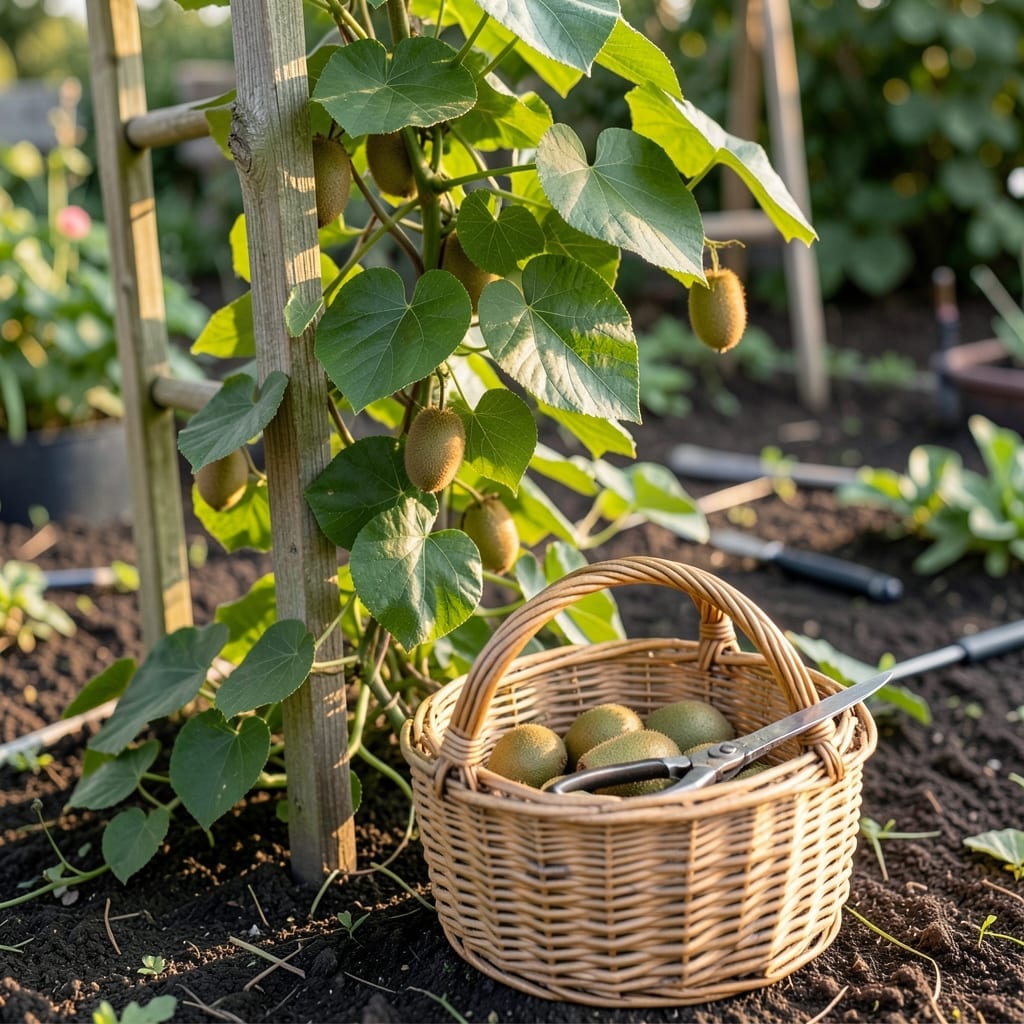
Knowing when Kiwi Fruit 🥝 are ripe can mean the difference between a tart disappointment and a sweet, juicy reward. Whether you’re growing them in your garden or picking them up at the store, timing is everything.
I’ve learned that waiting for the right moment transforms the entire experience. The signs are subtle but unmistakable once you know what to look for.
Let me show you how to spot perfect ripeness and when to expect it during the August to October harvest window. Your taste buds will thank you.

I always check my kiwi vines starting in late August because that’s when the magic begins. The first sign I look for is a color change in the fruit’s skin, which shifts from green to a richer brown tone.
Another sure indicator is the seeds inside. When they turn from white to completely black, you’re getting close. But don’t pick yet – there are more clues to confirm ripeness.
| Sign | Details |
| Seed Color | Fully black seeds |
| Firmness | Yields to gentle pressure |
| Aroma | Sweet fragrance at stem |
| Brix Level | 6.5% or higher |
The gentle pressure test works like an avocado – if it gives slightly, it’s ready. I use my palm to cradle the fruit while pressing with my fingers. Too hard means it needs more time on the vine.
I’ve found that Hayward kiwis, the most common variety, typically ripen in September to October. Golden kiwis often mature a bit earlier, around late August to early September.
The stem end often gives off a sweet aroma when ripe. I make it a habit to sniff the area where the fruit connects to the vine – if it smells sweet and fruity, it’s a good sign.
Another trick I use is the twist test. A ripe kiwi will separate from the vine with a gentle twist. If it resists, leave it be for another week or so.
Remember that kiwis continue ripening after picking, but they won’t develop more sugar. That’s why it’s crucial to let them mature fully on the vine for the best flavor.
I always keep a refractometer handy to check the Brix level. When it reads 6.5% or higher, I know the fruit has enough sugar content for optimal sweetness.
Finally, pay attention to the vine’s overall health. Well-maintained vines with proper sun exposure and watering will produce fruit that ripens more uniformly and deliciously. 🌿
Once I’ve picked my kiwi fruit, I know they often need extra time to soften. The key is using ethylene gas from other fruits to speed up the process naturally.
I place my kiwis in a paper bag with an apple or banana to concentrate the ethylene. This method typically ripens them within 3-5 days at room temperature.
Paper Bag Method: Combine with ethylene-rich fruit
Room Temperature: Store at 68-70°F for best results
Check Daily: Gently press to test softness
Refrigerate When Ready: Slow ripening once soft
I’ve discovered that golden kiwis tend to ripen faster than green varieties. Their thinner skin makes them more responsive to ethylene exposure.
For a slower approach, I sometimes use a cardboard box instead of a bag. This still contains the ethylene but allows slightly more airflow, extending the process to about 1 week.
I always check my kiwis daily once they start ripening. The moment they yield to gentle pressure, I move them to the fridge to slow further softening until I’m ready to enjoy them.
Remember that cold temperatures slow ripening dramatically. That’s why I never start the process in the fridge – it needs to begin at room temperature for best results. 🌱