
Beautiful Plants For Your Interior
Beautiful Plants For Your Interior
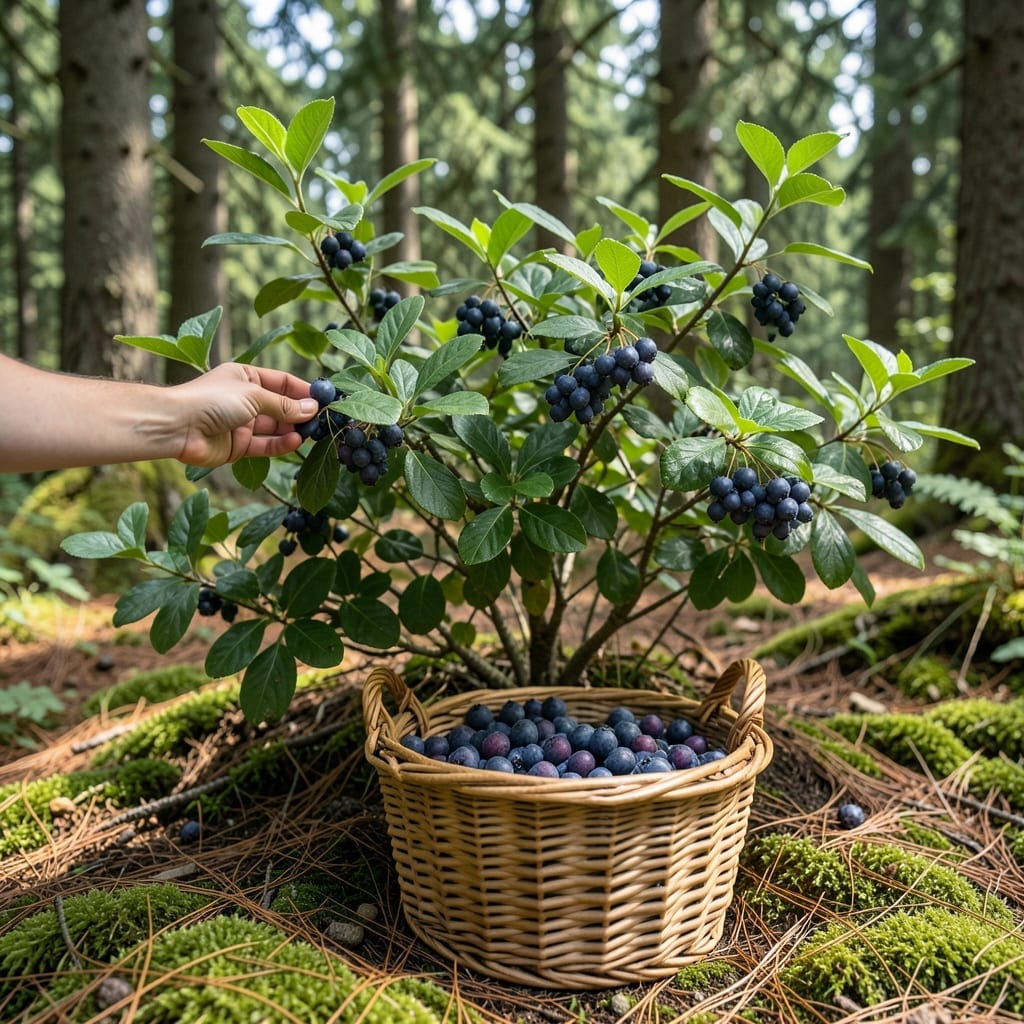
That moment when you spot a cluster of 🫐 Huckleberry bushes in the wild is pure excitement. But knowing whether they’re ready to pick? That’s where many gardeners get stuck.
Timing is everything with these sweet treats. Pick too early, and you’ll end up with tart, underripe berries. Wait too long, and you might miss your chance entirely.
I’ll show you the most reliable signs of ripeness and the best seasonal windows to ensure your harvest is always perfect. Let’s get started.


Spotting ripe huckleberries starts with knowing what to look for. The most obvious sign is color change. As they mature, huckleberries transition from green to red, then finally to a deep purple-black when fully ripe.
I always check for texture clues too. A ripe berry will feel slightly soft when gently pressed, unlike the hard, unripe ones. This softness indicates the sugars have developed fully.
| Ripeness Sign | Description |
|---|---|
| Color | Deep purple or blue-black |
| Texture | Slightly soft to touch |
| Attachment | Easily detaches from stem |
| Season | July to September |
The easiest detachment test is my go-to method. Ripe huckleberries should come off the bush with just a light tug. If you’re struggling to pick them, they’re likely not ready yet.
Seasonal timing varies by region. In most areas, huckleberries ripen from July to September. However, in higher elevations or cooler climates, this window might shift later by a few weeks.
I’ve noticed that wild huckleberries often ripen earlier than cultivated varieties. This is because wild plants typically grow in optimal natural conditions with just the right amount of sunlight and moisture.
Another helpful tip is to check the aroma. Ripe huckleberries often have a sweet, distinctive scent. If the berries smell fresh and inviting, they’re probably ready for harvest.
Remember that color alone isn’t always enough. Some varieties might appear dark purple but still be tart. That’s why I always combine the color check with the texture and detachment tests for the most accurate results.
For the best harvest, I recommend morning picking. The berries are often at their peak freshness after the cool night air, and the morning dew makes them easier to spot against the green foliage.
Finally, keep in mind that huckleberry bushes often have berries at different stages of ripeness. It’s normal to see green, red, and purple berries on the same plant, so check each cluster individually for the best results. 🌿
For the best wild huckleberry harvest, timing and location are everything. I’ve found that early morning is ideal because the berries are firm and the cool air preserves their freshness longer.
Look for mountain slopes and forest edges where huckleberries thrive in partial shade. These spots often have the perfect balance of sunlight and moisture for ripe, flavorful berries.
The late summer window is prime time for wild huckleberries. In most regions, this means August to early September, but higher elevations may peak slightly later.
I always check the underside of leaves for berries, as they often hide there. A gentle rustle of the bush can reveal clusters you might otherwise miss.
Another tip: bring a small container with a wide opening. This makes it easier to collect berries without crushing them, especially when they’re at their ripest and most delicate.
Lastly, respect the plants. Only take what you need and leave plenty for wildlife. This ensures huckleberry bushes continue to thrive and produce for years to come. 🌿