
Beautiful Plants For Your Interior
Beautiful Plants For Your Interior
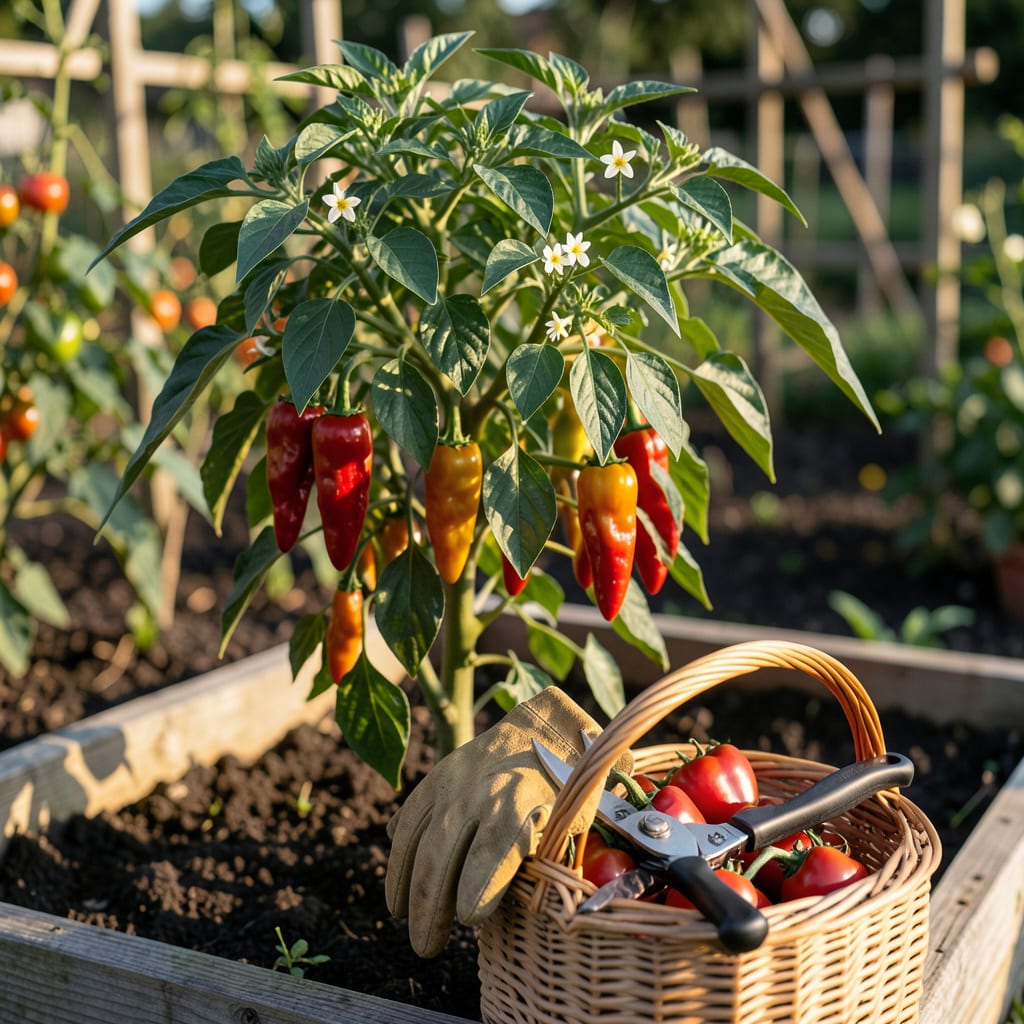
There’s nothing worse than waiting months for your 🌶️ Hot Peppers to ripen—only to pick them too early or too late. That split-second timing can mean the difference between fiery flavor and a disappointing, underwhelming bite.
I’ve learned the hard way that color alone isn’t enough. Whether you’re growing jalapeños or ghost peppers, I’ll show you the exact signs to watch for—so you harvest at peak heat and sweetness every time. Let’s get this right.


Timing your hot pepper harvest isn’t just about patience—it’s about knowing what to look for. I’ve learned that color changes are the most obvious clue, but they’re not the only one. Let’s dive into the five visual signs that tell you your peppers are perfectly ripe and ready to pick.
First, forget the idea that all peppers turn red when ripe. While many do, some varieties like jalapeños are often harvested green. The key is understanding your specific pepper type and watching for multiple indicators, not just color alone.
| Sign | What to Look For | Example Varieties |
|---|---|---|
| Full Color | Deep, even hue (red, orange, yellow) | Habanero, Cayenne, Thai |
| Glossy Skin | Shiny, reflective surface | All varieties |
| Firm Texture | Slight give when gently squeezed | Jalapeño, Serrano, Poblano |
| Full Size | Reached expected length/width | All varieties |
| Easy Stem Snap | Stem separates cleanly when bent | All varieties |
The glossy skin test is my favorite trick. When peppers are ready, they develop a shiny, almost waxy appearance. This is especially noticeable on habaneros and Thai chiles. If your peppers look dull, they need more time on the plant.
Size matters more than you might think. A jalapeño should be 2–3 inches long, while a ghost pepper might reach 2–3.5 inches. Check your seed packet for expected dimensions—peppers won’t always color up until they’ve reached full size.
Here’s a pro tip: perform the gentle squeeze test. A ripe pepper should feel firm but yield slightly to pressure, like a ripe avocado. If it’s rock hard, it needs more time. If it’s soft or wrinkled, you’ve waited too long.
The stem snap test is the final confirmation. When a pepper is truly ripe, the stem will separate from the plant with a gentle twist. If you’re struggling to pick it, the pepper isn’t quite ready. Use clean pruners if you need to cut rather than twist.
Remember that heat level increases as peppers ripen. A red jalapeño can be 2–3 times hotter than a green one! If you prefer milder heat, harvest earlier. For maximum fire, wait until the pepper reaches its final color stage.
If you’re growing multiple varieties, keep a harvest journal. Note when each type reaches maturity based on these visual cues. Over time, you’ll develop an instinct for perfect timing—no calendar needed!
🌱Not all hot peppers ripen at the same pace—what’s perfect for a jalapeño might be way too early for a Carolina Reaper. I’ve found that tracking days to maturity is just as important as watching for color changes. Let’s break down the timelines.
For example, serranos often hit their peak at 70–80 days, while superhots like ghost peppers can take 120+ days. Climate plays a role too—cooler zones may extend these windows by 2–3 weeks. Keep reading for a handy comparison.
| Variety | Days to Maturity | Harvest Window | Heat Level |
|---|---|---|---|
| Jalapeño | 60–75 days | Green to red | Mild (2,500–8,000 SHU) |
| Serrano | 70–80 days | Green to red | Medium (10,000–23,000 SHU) |
| Cayenne | 70–90 days | Red | Hot (30,000–50,000 SHU) |
| Habanero | 90–120 days | Orange/red | Very Hot (100,000–350,000 SHU) |
| Ghost Pepper | 120–150 days | Deep red | Extreme (800,000–1,000,000 SHU) |
If you’re growing in cooler climates, add 10–14 days to these estimates. I’ve noticed that container-grown peppers also tend to ripen 5–7 days slower than those in-ground. Patience is key with superhots!
Here’s a pro tip: Red peppers are almost always hotter than their green counterparts. That’s because the capsaicin (the compound responsible for heat) increases as they ripen. So if you love heat, wait for full color.
For year-round harvests in warm zones, you can stagger plantings every 4–6 weeks. This ensures a continuous supply. In my garden, I start new seeds in late summer for a fall harvest before frost hits.
Remember, these timelines start from transplanting, not seeding. If you’re growing from seed, add 6–8 weeks for indoor starts. And always check your seed packet—some hybrids have unique schedules.
Finally, if frost threatens before your peppers ripen, don’t panic. Most varieties will continue to color indoors if kept at room temperature. Just place them in a sunny spot and wait a few days.
🌱Even experienced gardeners can make mistakes when harvesting hot peppers. I’ve seen firsthand how premature picking or rough handling can ruin months of careful growing. Let’s cover the most common pitfalls and how to sidestep them.
One of the biggest errors is pulling peppers instead of cutting or gently twisting them. This can damage both the fruit and the plant. Always use clean pruning shears or your fingers with a gentle twisting motion to avoid tearing the stems.
Another critical mistake is harvesting during wet conditions. Wet peppers are more prone to rot and have a shorter shelf life. I always check the weather forecast and plan my harvest for dry mornings when possible.
Many gardeners don’t realize that overripe peppers can be just as problematic as underripe ones. Left too long on the plant, they become soft, lose flavor, and may even start to rot. I make it a habit to check my plants every 2-3 days during peak harvest season.
Here’s a pro tip: Don’t wash peppers immediately after picking. The moisture can accelerate spoilage. Instead, brush off dirt with a dry cloth and store them whole. If you must wash them, do it right before use and pat them completely dry.
Finally, remember that proper storage starts at harvest. I use breathable containers like paper bags or mesh produce bags in the fridge. For long-term storage, drying or freezing works best—just remove stems first to prevent mold growth.
🌿Overripe peppers become soft, wrinkled, or develop dark spots. They may also lose their glossy sheen and feel mushy when gently squeezed. If left too long, they can start to rot on the plant, so check every 2-3 days during peak season.
Many varieties like jalapeños are commonly harvested green. However, they’ll be milder in heat and flavor. For full heat, wait until they reach their mature color (red, orange, or yellow). Green peppers are perfect if you prefer less spice.
Early morning is ideal, when temperatures are cool and plants are well-hydrated. Avoid harvesting during midday heat or after rain. Morning-picked peppers last longer in storage and maintain better texture for cooking or drying.
Some varieties will ripen off the vine if kept at room temperature. Place them in a sunny spot for 2-3 days to encourage color change. However, flavor and heat won’t develop as fully as vine-ripened peppers.
For short-term storage, keep them whole in a paper bag in the fridge for up to 2 weeks. For long-term, dry them or freeze (remove stems first). Never wash until ready to use—moisture speeds up spoilage.
