
Beautiful Plants For Your Interior
Beautiful Plants For Your Interior
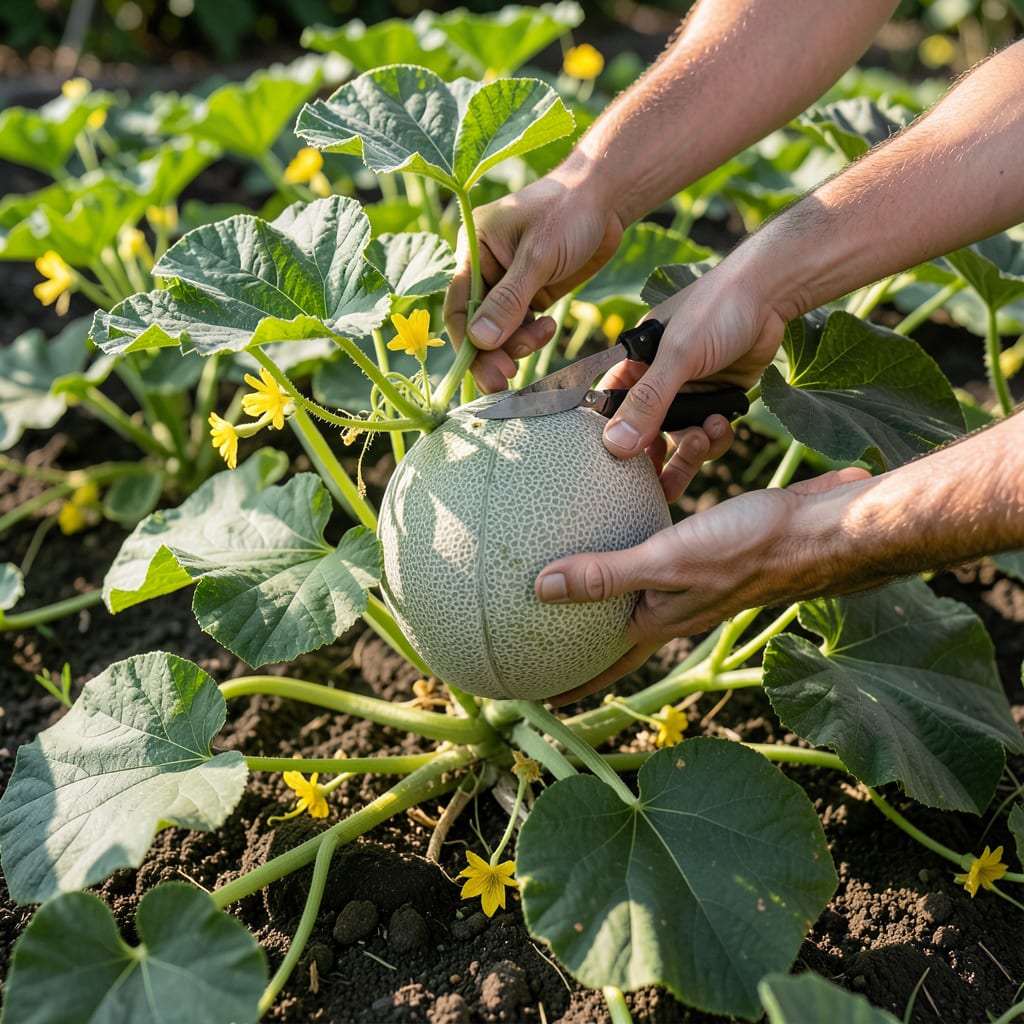
Timing your Honeydew Melon 🍈 harvest perfectly can mean the difference between sweet perfection and disappointing blandness. I’ve learned the hard way that guessing just doesn’t cut it.
There are clear signs to watch for – from stem changes to scent cues. Let me show you exactly what to look for when your melons are ready to come off the vine.


The stem slip method is my go-to for determining Honeydew Melon ripeness. This technique involves checking if the stem detaches easily from the vine when gentle pressure is applied.
When the melon is ripe, the stem will “slip” or separate cleanly from the vine with minimal effort, leaving a smooth, hollow cavity. This is the most reliable indicator I’ve found for home gardeners.
| Sign | Description |
|---|---|
| Full Slip | Stem detaches completely with light pressure |
| Partial Slip | Stem separates halfway, needs more time |
| No Slip | Stem remains firmly attached, not ripe |
I always check for full slip first thing in the morning when the vines are turgid. The stem should come away cleanly without any resistance or tearing of the vine tissue.
If you find a partial slip, give the melon 24-48 more hours before checking again. This stage means it’s getting close but needs just a bit more time on the vine.
A no slip condition means the melon isn’t ready yet. I’ve learned that forcing the stem off at this stage can damage the vine and result in underripe fruit.
The stem slip method works because as the melon ripens, the abscission layer forms at the base of the stem. This is a natural process that prepares the fruit for harvest.
I recommend checking your honeydews daily once they reach near maturity, which is typically 70-90 days after planting. The exact timing can vary based on your climate and growing conditions.
In my experience, this method is more reliable than color or scent alone. While those are good secondary indicators, the stem slip test gives me the most consistent results year after year.
Once you’ve confirmed the full slip, use clean pruners to cut the stem if it hasn’t fully detached, leaving about 1 inch of stem on the melon to prevent rot.
While the stem slip method is my primary test, I always confirm with secondary ripeness indicators. These backup checks help ensure I don’t miss the perfect harvest window for my Honeydew Melons.
The scent test is particularly reliable. A ripe honeydew will emit a sweet, musky aroma from the blossom end when it’s ready to pick. If there’s no smell, the melon needs more time.
The color change is another visual cue I watch for. As honeydews mature, their rind transitions from bright green to a cream or pale yellow hue. This change is most noticeable on the side opposite the stem.
For the tap test, I gently tap the melon with my knuckles. A ripe honeydew produces a deep, hollow sound, while an unripe one sounds more solid and dull. This takes some practice to distinguish.
I also check the tendril nearest the melon. When it turns brown and dry, this is often a good sign that the fruit is mature. However, I don’t rely on this alone as it can sometimes dry out before the melon is fully ripe.
In my experience, combining 2-3 of these tests gives the most accurate results. The scent and color changes are usually the most obvious indicators for home gardeners to spot. ☀️
Even experienced gardeners can make harvesting mistakes with honeydews. The most common error I see is picking too early, which results in underripe, flavorless fruit that never properly sweetens off the vine.
Another frequent misstep is ignoring weather conditions. I always check my melons before a heavy rain, as excessive moisture can cause splitting or dilute the flavor. ☀️
⚠️ Warning: Never twist or pull honeydew melons from the vine. This can damage both the fruit and the plant. Always use the stem slip method or clean pruners for a clean cut.
Mishandling the vine during harvest can reduce both shelf life and flavor quality. I’ve learned to handle melons gently and avoid dropping them, as bruising accelerates spoilage.
Many gardeners also overlook the tendril check. While not foolproof, a brown tendril near the melon is often a good sign it’s approaching ripeness. However, I never rely on this alone.
Finally, waiting too long can be just as problematic as picking too early. Overripe honeydews become mushy and lose their sweetness. I check my plants daily once they’re close to maturity to catch that perfect window. 🌱
Use the stem slip test first—if the stem detaches easily, it’s ready. Also check for a sweet scent at the blossom end and a cream-colored rind.
No, they won’t ripen further off the vine like some fruits. Picking too early results in bland, underripe melons. Always wait for the full slip or a hollow sound when tapped.
Early morning is ideal when vines are firm and temperatures are cool. This helps preserve flavor and prevents bruising during handling.
Harvest within 24-48 hours of reaching full ripeness. Leaving them too long can lead to overripening, splitting, or attracting pests.
