
Beautiful Plants For Your Interior
Beautiful Plants For Your Interior
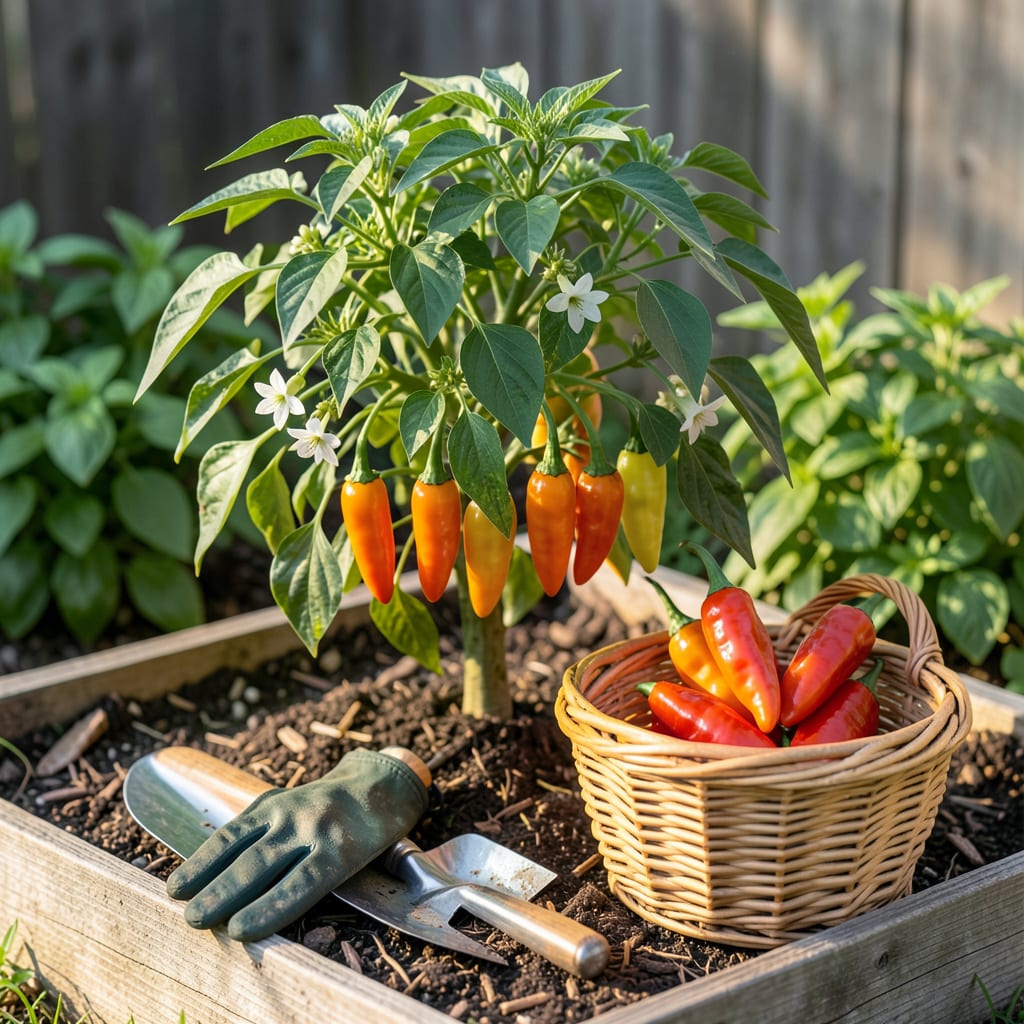
That moment when your 🌶️ habaneros finally reach peak ripeness is pure gardening gold—but miss the window, and you’re stuck with lackluster heat or mushy disappointment. I’ve been there, staring at my plants wondering, Are they ready yet?
Timing is everything with these fiery peppers. We’ll cut through the guesswork so you know exactly when to pluck them—no more second-guessing colors, sizes, or that perfect firmness. Let’s get your harvest right the first time.


Nothing beats the satisfaction of watching your habanero peppers transform from tiny green buds to vibrant, fiery gems. But how do you know when they’ve hit their peak? The secret lies in three key visual clues: color, size, and texture. Let’s break them down.
First, forget the myth that all habaneros turn red—most ripen to a bright orange hue, though some varieties stay red or even yellow. The shift from green to their final color is your first big hint. But don’t stop there; size matters too. A ripe habanero typically measures 2-3 inches long and plumps up noticeably.
| Sign | Unripe | Ripe & Ready |
|---|---|---|
| Color | Dull green 🟢 | Bright orange/red 🟠 |
| Size | Under 1 inch 📏 | 2-3 inches long ✅ |
| Texture | Soft or wrinkled 🔍 | Firm with slight give 💪 |
| Stem | Bends easily | Snaps cleanly ✂️ |
Texture is where many gardeners get tripped up. A ripe habanero should feel firm to the touch, with just a little give when gently squeezed—like a ripe tomato. If it’s squishy or the skin wrinkles under pressure, it’s either overripe or still green. Pro tip: Check the stem too. A ripe pepper’s stem will snap cleanly when bent, while an unripe one bends like rubber.
Timing plays a role too. Habaneros usually reach maturity 90-120 days after transplanting, but warmer climates can speed this up. If your peppers are dragging their feet, check their sunlight exposure—they need at least 6-8 hours daily. Cool nights below 60°F can stall ripening, so consider a row cover in chillier zones.
Here’s a mistake I see often: harvesting based on color alone. Some habaneros turn orange early but aren’t fully ripe inside. Always combine color, size, and texture for the best results. And don’t forget your gloves—habanero oils can irritate skin (trust me, I’ve learned the hard way).
If your peppers are taking forever to ripen, try reducing nitrogen in your fertilizer—too much encourages leafy growth over fruit. A phosphorus boost (like a 5-10-10 blend) can help push them toward maturity. Also, stress them slightly by cutting back on water for a week; sometimes that’s the nudge they need.
Once picked, habaneros continue to ripen off the plant—but they won’t get hotter. For maximum heat and flavor, let them ripen fully on the vine. If frost threatens, harvest them early and ripen indoors in a paper bag with an apple (the ethylene gas speeds things up). Just don’t expect the same intensity as vine-ripened peppers.
Remember, habaneros are like tiny flavor bombs—their heat and fruity notes peak at perfect ripeness. Miss that window, and you’re left with either a grass-like bite (too early) or a mushy mess (too late). When in doubt, use the snap test: if the stem breaks cleanly, you’re good to go.
Finally, don’t panic if a few peppers ripen unevenly. Habanero plants often produce fruit at different rates, especially in fluctuating temperatures. Focus on the individual pepper’s signs, not the whole plant. And celebrate—you’ve just mastered one of the trickiest (and most rewarding) parts of growing these fiery delights! 🌶️
So you’ve checked the color and size, but your habaneros still have you second-guessing. I get it—these peppers are sneaky! While visual cues are crucial, the real pros rely on touch tests and hidden indicators to confirm ripeness. Let’s dig into the hands-on methods that never fail me.
The snap test is my go-to trick. Gently bend the pepper’s stem near the fruit. If it snaps cleanly with minimal pressure, you’re in business. A stem that bends like rubber means your habanero needs more time. This test works because ripe peppers develop a woody stem that’s ready to detach from the plant.
Here’s a pro tip: The shoulder test reveals more than you’d think. Run your finger along the pepper’s “shoulders” (the curved top near the stem). A ripe habanero will feel smooth and firm, while an unripe one often has rough bumps or soft spots. This subtle texture change happens as the fruit matures and sugars develop.
Climate throws curveballs, so adjust your tests accordingly. In hot, dry regions, habaneros may ripen faster but develop thicker skins—use the weight test to confirm. Cooler areas? Peppers might stay green longer but still be ripe inside. When in doubt, combine two tests (like snap + seed color) for accuracy. I once harvested a batch in Oregon that stayed green but tested ripe—best salsa ever!
Ever noticed how ripe habaneros smell fruity? Give yours a gentle sniff near the stem. A sweet, slightly tropical aroma means they’re ready, while a grassy or neutral scent signals they need more time. This works because the volatile oils that create heat also produce that distinctive scent. Just don’t inhale too deeply—those oils are potent!
If you’re still unsure, try the fingernail test. Press your nail lightly into the pepper’s skin. On a ripe habanero, it’ll leave a tiny dent that bounces back. No bounce? Too early. Stays dented? Overripe. This quick test mimics how chefs check avocado ripeness—same principle, different plant. Just wash your hands immediately afterward to avoid capsaicin burns!
Timing your habanero harvest isn’t just about patience—it’s about flavor and fire. Pick too soon, and you’ll get a mild, grassy-tasting pepper that lacks that signature habanero punch. Wait too long? You risk mushy textures and even rot. Let’s break down what happens at each stage so you never waste a pepper again.
An underripe habanero is like a promise unfulfilled. These green peppers have underdeveloped capsaicin, meaning they’ll be milder in heat (often 50-70% less spicy than ripe ones). Their thin skins and watery flesh make them poor candidates for drying or sauces. I once harvested a batch early during a cold snap—they tasted more like bell peppers than habaneros! 🌱
Perfect Window: 90-120 days from transplant, when peppers are firm, glossy, and 2-3 inches long.
On the flip side, overripe habaneros become time bombs. Their heat levels can skyrocket unpredictably as capsaicin concentrates, sometimes reaching 350,000+ Scoville units. The flesh turns soft, making them useless for fresh dishes. Worse, they start attracting fruit flies and may develop mold. I lost an entire plant once by waiting “just one more day” during a heatwave—lesson learned!
There’s good news if you’ve mistimed your harvest. For early-picked peppers, try ripening them in a paper bag with a banana (ethylene gas speeds ripening). They won’t reach full heat but will improve. Overripe ones? Dry or smoke them immediately to preserve flavor—just remove any soft spots first. Both scenarios teach us that habaneros demand daily checks once they start coloring up.
The golden rule I swear by: Harvest habaneros in stages. Start with the largest, most colorful peppers first, leaving smaller ones to mature. This prevents a sudden glut of overripe fruit and gives you a steady supply. Remember, habanero plants keep producing if you pick regularly—I’ve had plants yield for 3 months straight using this method. Your patience will be rewarded with peppers that deliver that perfect balance of fruity sweetness and fiery kick.
Not necessarily! Most habaneros ripen to a bright orange color, though some varieties stay red or even turn yellow. The key is watching for that vibrant shift from dull green to their mature hue—whatever that may be for your specific variety.
You can, but they won’t have reached their full heat or flavor potential. Green habaneros are 50-70% milder than ripe ones and lack that signature fruity sweetness. If frost is coming, harvest them early and ripen indoors in a paper bag with a banana.
Once they start changing color, check them daily. Habaneros can ripen quickly in warm weather, sometimes going from green to fully orange in just 3-5 days. In cooler climates, every 2-3 days is sufficient. Consistency prevents missing that perfect harvest window.
Use clean pruning shears or sharp scissors to cut the stem, leaving about 1/4 inch attached. Never pull or twist—this can break branches. Wear gloves to protect your hands from capsaicin oils, and harvest in the morning when plants are most hydrated.
This is completely normal! Peppers exposed to more direct sunlight or those that flowered earlier will ripen first. Temperature fluctuations, uneven watering, and even the pepper’s position on the plant can create variations. Harvest them as they ripen rather than waiting for uniformity.
