
Beautiful Plants For Your Interior
Beautiful Plants For Your Interior
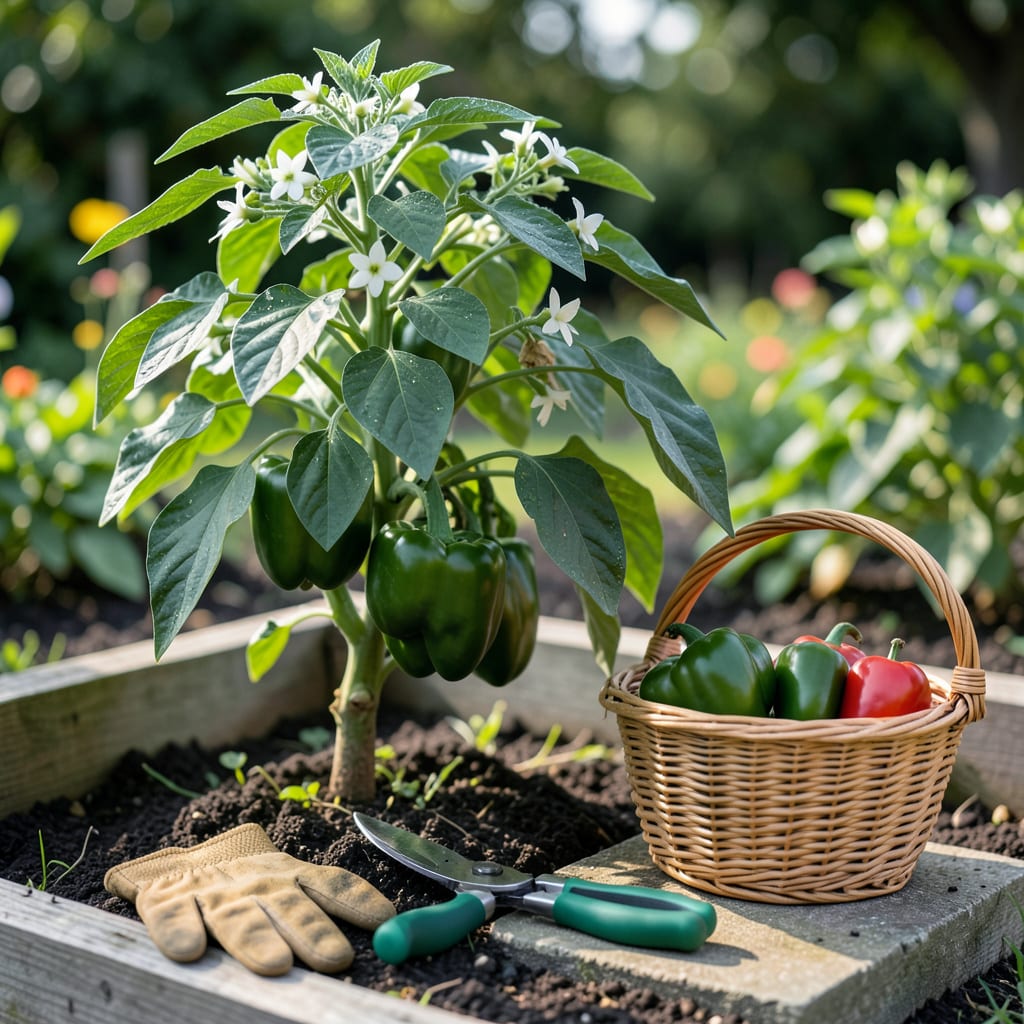
There’s nothing worse than waiting months for your 🫑 green peppers—only to pick them too soon and end up with bland, underripe fruit. Timing is everything, and knowing the exact moment to harvest can make or break your garden’s success.
I’ve seen gardeners miss the perfect window by just a few days, leaving flavor and texture on the table. Let’s cut through the guesswork so you can confidently pluck peppers at their peak—crisp, sweet, and ready for your kitchen.


Knowing exactly when to harvest your 🫑 green peppers can feel like solving a puzzle. The good news? Your plants give clear signals—if you know what to look for. I’ve found that focusing on size, color, and texture takes the guesswork out of the process.
Most gardeners don’t realize that green peppers reach their peak flavor at a specific stage. Waiting too long can turn them bitter, while picking too soon leaves them underdeveloped. Let’s break down the visual and tactile cues that guarantee a perfect harvest every time.
| Harvest Sign | What to Look For |
|---|---|
| Size | 3–4 inches long and fully formed |
| Color | Deep, uniform green (no pale spots) |
| Texture | Firm and glossy to the touch |
| Stem Test | Stem snaps easily when bent gently |
| Timeframe | 60–90 days after transplanting |
First, check the size and shape. A mature green pepper should measure 3–4 inches long and match its variety’s expected shape—whether blocky like a bell or elongated like a Cubanelle. Smaller peppers often lack the sweetness and crunch you want.
Next, examine the color and sheen. Ready peppers sport a deep, consistent green with a slight gloss. If the skin looks dull or pale, give it a few more days. I’ve noticed that peppers exposed to full sun develop richer color faster than those in partial shade.
The firmness test is my go-to trick. Gently squeeze the pepper—it should feel solid, not soft or spongy. Underripe peppers often give slightly under pressure, while overripe ones may feel hollow or wrinkled. This tactile check saves me from harvesting too early.
Don’t overlook the stem connection. A pepper ready for picking will detach with a clean snap when you bend it upward. If it resists or tears, it’s not quite there. This simple test prevents damage to both the fruit and plant.
Remember, green peppers can turn red or yellow if left on the plant longer, but their flavor changes too. For classic green pepper taste, harvest within the 60–90 day window. I mark my calendar after transplanting to track progress.
If you’re growing multiple varieties, note that bell peppers often take longer than thinner-walled types like banana peppers. When in doubt, harvest one test pepper and taste it—its crispness and sweetness will tell you if the rest are ready.
Pro tip: Use clean pruning shears to avoid damaging the plant. Cut the stem about ½ inch above the pepper to encourage more growth. I keep a small container of rubbing alcohol nearby to sanitize my tools between cuts.
By mastering these signs, you’ll never second-guess your harvest again. The reward? Crisp, flavorful peppers that make all your gardening effort worthwhile. Ready to pick? Your plants are waiting! 🌱
Not all 🫑 green peppers ripen at the same pace—some varieties race to maturity while others take their sweet time. I’ve learned that matching your harvest expectations to the specific type you’re growing prevents disappointment and wasted effort.
For example, bell peppers typically need 70–90 days from transplanting, while thinner-skinned varieties like banana peppers may be ready in just 60–70 days. Climate plays a role too—warmer regions often see faster growth than cooler zones.
| Variety | Days to Maturity | Key Traits |
|---|---|---|
| Bell Pepper | 70–90 days | Blocky shape, thick walls, sweet flavor |
| Cubanelle | 65–75 days | Long, light green, mild taste |
| Poblano | 75–85 days | Dark green, heart-shaped, medium heat |
| Banana Pepper | 60–70 days | Yellow-green, slender, tangy |
If you’re growing in cooler climates, add 7–10 extra days to the maturity range. I’ve noticed that peppers planted in raised beds often mature slightly faster than those in-ground, thanks to warmer soil temperatures.
For early varieties like ‘Early Jalapeño’ or ‘Lunchbox’, start checking for ripeness at 55 days. These compact plants are perfect for short-season gardeners or container growing on patios.
Late-season varieties, such as ‘Big Bertha’ bell peppers, can take up to 90–100 days. If your growing season is short, consider starting these indoors 8–10 weeks before your last frost date.
Pro tip: Keep a garden journal with planting dates and first harvest notes. Over time, you’ll spot patterns in how your local conditions affect maturity. I use colored flags to mark planting dates—it’s a simple visual reminder!
Remember, these timelines start from transplanting, not seeding. If you’re direct-sowing, add 2–3 weeks to account for germination and seedling growth. When in doubt, trust the visual cues we covered earlier over the calendar.
🌱Timing your 🫑 green pepper harvest isn’t just about patience—it directly impacts flavor, texture, and even your plant’s future productivity. I’ve made the mistake of picking too soon (and waiting too long), and let me tell you, the differences are dramatic.
When you harvest too early, you’re left with peppers that taste grassy or bitter and lack that satisfying crunch. The seeds inside will be underdeveloped, and the walls thinner than they should be. I once picked a batch at 45 days—big mistake! They were edible but nowhere near as sweet as properly matured peppers.
Too Early: Bitter taste, thin walls, poor seed development
Too Late: Soft texture, potential rot, reduced plant energy
Just Right: Crisp, sweet, and full of flavor!
On the flip side, leaving peppers on the plant too long creates its own problems. Overmature peppers develop soft spots and may start to wrinkle. I’ve seen gardeners lose entire crops to fruit rot because they waited for peppers to turn red—only to have them spoil first.
Your pepper plant pays a price too when you delay harvesting. Each overripe fruit saps energy that could go toward producing new blooms. I noticed my plants perked up and produced a second flush of flowers after I removed all mature peppers—even the slightly overripe ones.
Here’s my salvage strategy for less-than-perfect peppers: Underripe ones can be left on the counter for 2–3 days to develop slightly more sweetness. Overripe peppers? Use them immediately—they’re great for stuffing or roasting where texture matters less. Just don’t let them linger on the plant!
Remember, every day counts during peak harvest season. I set phone reminders at the 60-day mark to start checking daily. When in doubt, harvest one test pepper and slice it open—the seeds should be fully formed but not dark, and the flesh should be thick and juicy.
🌱Start daily inspections at the 60-day mark after transplanting. Peppers can ripen quickly once they reach full size. I recommend checking every morning when the plants are turgid—this makes it easier to spot color changes and test firmness.
You can, but they’ll lack the full sweetness and crunch. Small peppers often have underdeveloped seeds and thinner walls. If you must harvest early, let them sit at room temperature for 2-3 days to improve flavor slightly. Patience pays off!
Early morning is ideal, just after the dew dries but before temperatures rise. The peppers will be crispest, and the plants are less stressed. Avoid harvesting during peak afternoon heat when plants are most vulnerable to damage.
Regular harvesting signals the plant to redirect energy toward new fruit production. I’ve seen plants produce 20-30% more peppers when harvested consistently. Just be sure to use clean shears to avoid introducing disease.
Store unwashed peppers in a perforated plastic bag in your fridge’s crisper drawer. They’ll stay fresh for 1-2 weeks. For longer storage, consider freezing sliced peppers on a tray before bagging. Avoid washing until ready to use.
