
Beautiful Plants For Your Interior
Beautiful Plants For Your Interior
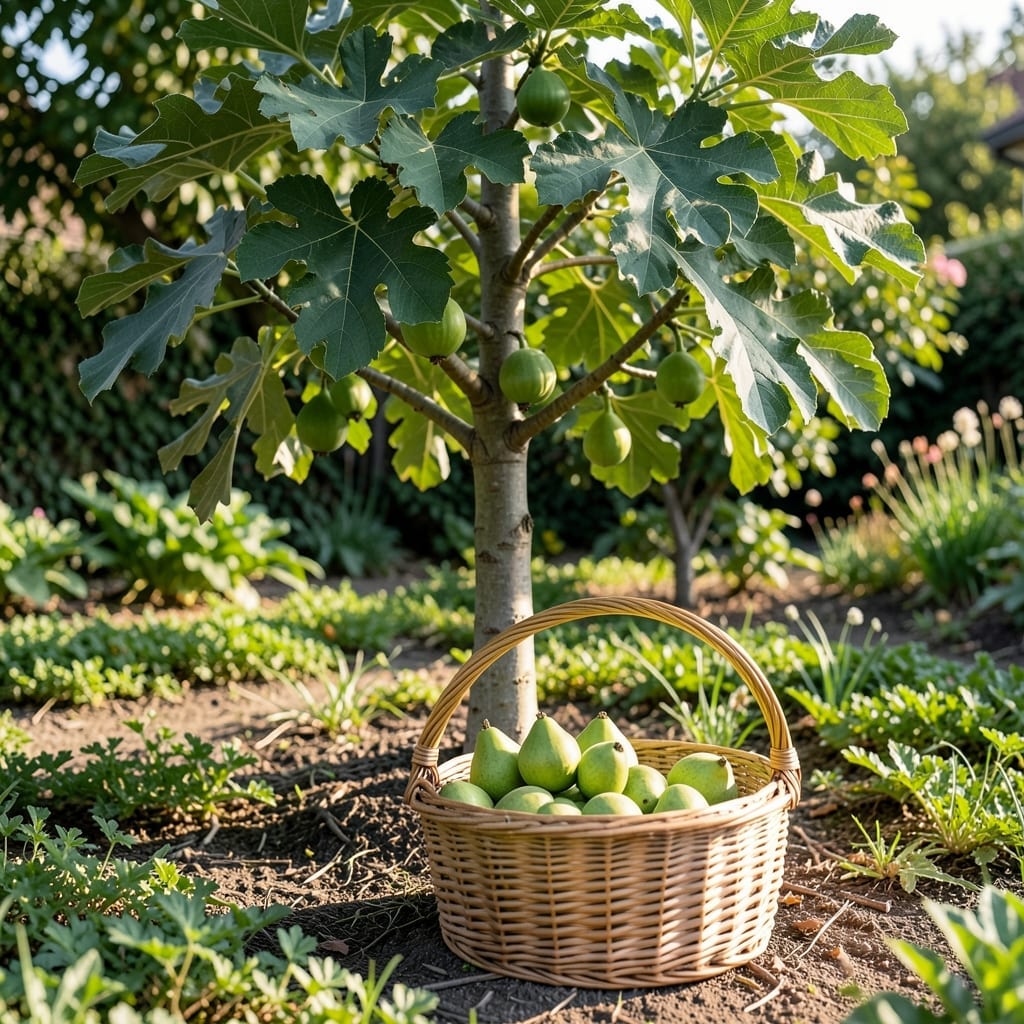
Green figs can be tricky to harvest at the perfect moment—picking them too early means bland fruit, while waiting too long risks spoilage.
Knowing the exact visual cues ensures a sweet, juicy yield from your 🍇 Fig tree. I’ve learned the hard way that timing is everything when it comes to these delicate fruits.
Discover how to spot the subtle signs of ripeness, so you can enjoy your harvest at its absolute best without guesswork.


Timing your green fig harvest perfectly is an art. I’ve found that these fruits don’t ripen like others—they won’t continue maturing once picked, so getting it right on the tree is crucial for sweetness.
The most reliable signs are subtle but unmistakable once you know what to look for. Color shifts, texture changes, and even the way the fruit hangs can tell you everything.
The color change is often the first clue. Green figs start bright and vibrant, but as they ripen, the skin takes on a matte, yellowish-green hue. This isn’t always dramatic, so I check daily during peak season.
The neck bending test is my favorite. When the stem end droops slightly, gravity is telling you the fruit is heavy with juice and ready. If it’s still standing upright, give it more time on the tree.
Texture matters too. A ripe green fig will have a slight give when gently squeezed—not mushy, but not rock-hard either. I use my thumb and forefinger to test, pressing just enough to feel the difference.
Watch for a small crack near the stem. This natural split happens as the fruit swells with sweetness. Don’t confuse this with splits from overwatering, which are deeper and irregular.
The sap test is the final check. Cut a tiny slit in the fruit. If the sap runs clear and watery, it’s ready. If it’s thick and milky, the fig needs more time to ripen fully.
Size can be misleading, as green figs don’t always grow larger when ripe. Instead, focus on the combination of signs. I’ve found that when 3-4 indicators align, the fruit is almost always perfect.
Early morning is the best time to check for ripeness. The cool temperatures make the fruits firmer and easier to examine without damaging them. Plus, you’ll beat the birds to your harvest!
🌿I’ve ruined more than a few green fig harvests by jumping the gun or waiting too long. These fruits have a narrow perfect window, and missing it means either bitter disappointment or mushy waste.
The biggest mistake is picking based on size alone. Green figs don’t always grow bigger as they ripen, so I’ve learned to ignore dimensions and focus on the visual and textural cues instead.
⚠️ Harvesting Pitfalls
Picking too early results in hard figs with milky sap that’s unpleasantly bitter.
Waiting too long leads to fermented smells or deep splits that attract pests.
Another common error is assuming all figs ripen at the same time. I check each fruit individually, as even on the same branch, some may be ready while others need a few more days.
Hot weather can speed up ripening, while cool spells slow it down. I adjust my checks accordingly, sometimes inspecting twice daily during heatwaves to catch the perfect moment.
Don’t forget to look at the stem end. If it’s still firmly attached and upright, your fig isn’t ready. The slight droop is nature’s way of saying, “I’m perfect—pick me now!”
Finally, resist the urge to tug hard when harvesting. A ripe green fig should come away with a gentle twist. If you’re struggling, it’s not ready. I’ve torn many a branch trying to force the issue!