
Beautiful Plants For Your Interior
Beautiful Plants For Your Interior
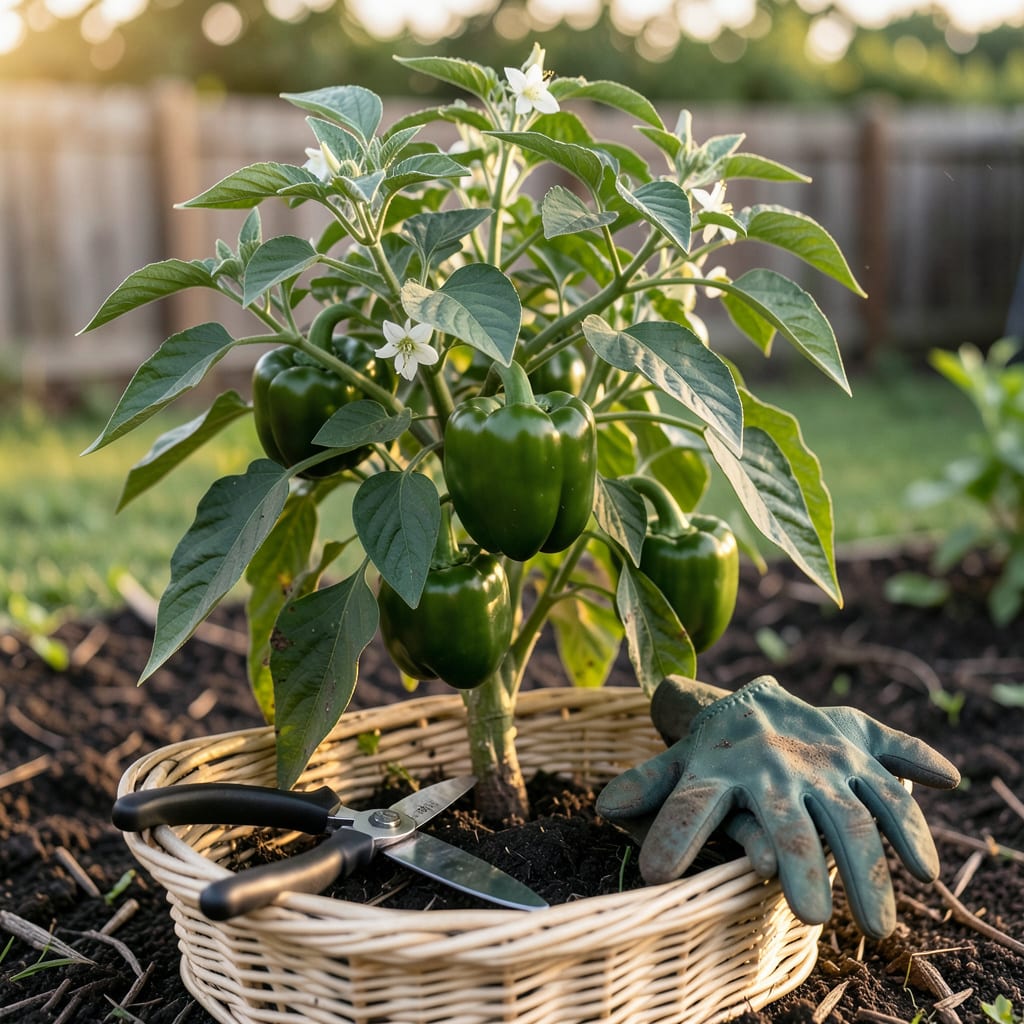
There’s nothing worse than watching your 🫑 Green Bell Peppers grow all season, only to pick them too soon—or too late. That split-second timing can mean the difference between crisp, flavorful peppers and disappointing, underdeveloped ones.
I’ve been there, staring at my plants wondering, Is today the day? The good news? A few simple visual clues and a quick firmness test will tell you exactly when they’re at their peak. Let’s make sure your harvest is perfect—every single time.


Timing is everything when harvesting 🫑 green bell peppers. Picking too early means smaller, less flavorful fruit, while waiting too long can lead to overripe peppers that attract pests. The trick is knowing what to look for—size, color, and firmness are your best clues.
Most varieties reach maturity in 60–90 days, but I’ve found that checking the physical signs is more reliable than counting days. A perfectly ripe pepper will feel heavy for its size and have a glossy sheen. Let’s break down the exact signals you should watch for.
| Harvest Sign | What to Look For |
|---|---|
| Size | 3–4 inches long and fully plump |
| Color | Deep, uniform green with no pale spots |
| Firmness | Firm with slight give when squeezed |
| Stem | Snaps cleanly when bent without resistance |
| Texture | Glossy skin, not dull or wrinkled |
One of my favorite tests is the gentle squeeze method. Hold the pepper in your palm and press lightly—if it feels solid but yields just a bit, it’s ready. If it’s rock-hard, give it a few more days. Avoid peppers that feel soft or spongy, as they’re past their prime.
Don’t forget to check the stem connection. A ripe pepper will detach easily with a slight twist, while an unripe one clings stubbornly. If you’re unsure, compare your peppers to the seed packet’s size description—most varieties list their ideal harvest dimensions.
If you’re growing hybrid varieties like California Wonder or Jupiter, note that they may mature slightly faster or slower. I’ve noticed hybrids often reach harvest size in 65–70 days, while heirlooms can take closer to 90. Always prioritize the visual cues over the calendar.
Pro tip: If you leave peppers on the plant too long, they’ll start turning red or yellow. While edible, these overripe peppers can slow down new fruit production. For a continuous harvest, pick green peppers promptly to encourage the plant to produce more.
After harvesting, store peppers unwashed in the fridge for up to 10 days. If you notice any with minor blemishes, use those first—they won’t keep as long. And remember, the more you pick, the more your plant will keep producing until frost!
Still unsure? Compare your peppers to the table above—if they match 3 out of 5 signs, they’re ready. Trust me, once you’ve harvested a perfectly ripe pepper, you’ll never settle for underripe ones again. Happy picking! 🌱
For those in hotter climates (USDA Zones 8–10), peppers may mature faster, sometimes in as little as 55 days. Keep an eye on them during heatwaves—they can go from ready to overripe in just a few days. 🌡️
Your green bell peppers won’t all ripen on the same schedule—climate and variety play huge roles. In my garden, I’ve noticed peppers in USDA Zone 6 often take the full 75–90 days, while friends in Zone 9 harvest theirs in as little as 55 days. The key is adjusting expectations based on where you live.
Start by checking your seed packet for the “days to maturity” range, but remember: that’s just a guideline. California Wonder peppers, for example, typically mature in 65–70 days, while heirloom varieties like King of the North might need 80–90 days. Let’s compare how zones and types affect your harvest window.
| Variety | Days to Maturity | Best for Zones | Climate Notes |
|---|---|---|---|
| California Wonder | 65–70 days | 5–10 | Tolerates heat but needs consistent water |
| Jupiter | 60–65 days | 4–9 | Early producer, great for short seasons |
| King of the North | 80–90 days | 3–7 | Cold-tolerant, slower in cool summers |
| Gypsy | 55–60 days | 6–11 | Fast grower, thrives in hot climates |
If you’re in a cooler zone (3–5), consider using black plastic mulch to warm the soil and speed up maturity by 7–10 days. I’ve had great success with this trick in early spring. For hotter zones (8–11), provide afternoon shade to prevent sunscald on developing peppers.
Watch the 10-day forecast as your peppers near maturity. If temperatures will drop below 50°F (10°C), harvest any near-ripe peppers—they won’t ripen further in cold weather. Conversely, in a heatwave, peppers may ripen 2–3 days faster than expected.
For container gardeners, peppers often mature slightly faster due to warmer soil temps. Check yours 5–7 days earlier than the packet suggests. And if you’re growing organic varieties, add 10–14 days to the maturity estimate—they typically grow slower without synthetic fertilizers.
Here’s my foolproof trick: When your peppers hit the lower end of their maturity range (e.g., 60 days for a 60–90 day variety), start checking daily. Use the size and color tests from Section 1 to confirm readiness. And remember, in drought conditions, peppers may stay green longer but still be ripe—prioritize the firmness test over color alone. 🌡️
Timing your 🫑 green bell pepper harvest isn’t just about flavor—it affects your entire plant’s productivity. I’ve learned the hard way that picking too early can leave you with bitter, underdeveloped peppers, while waiting too long risks soft, overripe fruit that attracts pests.
An underripe pepper won’t just taste bland—it’ll also be smaller, with thinner walls and a grassy aftertaste. Worse, premature picking signals the plant to slow production, thinking its job is done. On the flip side, overripe peppers turn mushy, develop wrinkled skin, and may even start rotting on the vine.
If you’ve already picked underripe peppers, don’t toss them! They’ll still ripen slightly off the vine if stored at room temperature for 2–3 days. Place them in a paper bag with a banana to speed up the process—the ethylene gas helps. For overripe peppers, use them immediately in cooked dishes where texture matters less.
Your plant’s future harvests depend on today’s timing. A pepper left too long sends signals to the plant to stop producing, thinking its seeds have matured. I aim to harvest when peppers are 70–80% green (with just a hint of color change) to balance flavor and plant productivity. This sweet spot keeps my plants pumping out peppers until frost.
Watch for pest pressure too—overripe peppers attract aphids and fruit flies. In my garden, I’ve noticed that peppers left 5+ days past prime often develop soft spots or mold. When in doubt, harvest earlier and let them finish ripening indoors. Your plant (and your meals) will thank you! 🌱
Remember: Every pepper you pick at the right time encourages the plant to produce 2–3 more. That’s why I check my plants daily once they start sizing up. A quick twist and snap is all it takes to keep the harvest coming all season long. 🫑
Check the length—most varieties need to reach 3–4 inches before harvesting. If they’re under 2 inches, they’re still developing. Look for a plump shape and uniform color too.
Green peppers won’t ripen further once picked, but they’ll stay fresh for 7–10 days in the fridge. For slightly underripe ones, store at room temperature for 2–3 days to improve texture.
This happens when plants are stressed by heat or drought. Small red peppers are still edible but may taste bitter. Ensure consistent watering (every 2–3 days) to prevent this.
It’s best to avoid it—wet peppers spoil faster and can develop mold. If you must, harvest in the morning and dry them thoroughly before storing.
Start daily inspections once peppers reach 2 inches. Hot weather speeds up ripening, so check twice a day during heatwaves. Consistent monitoring ensures you catch them at peak ripeness.
