
Beautiful Plants For Your Interior
Beautiful Plants For Your Interior
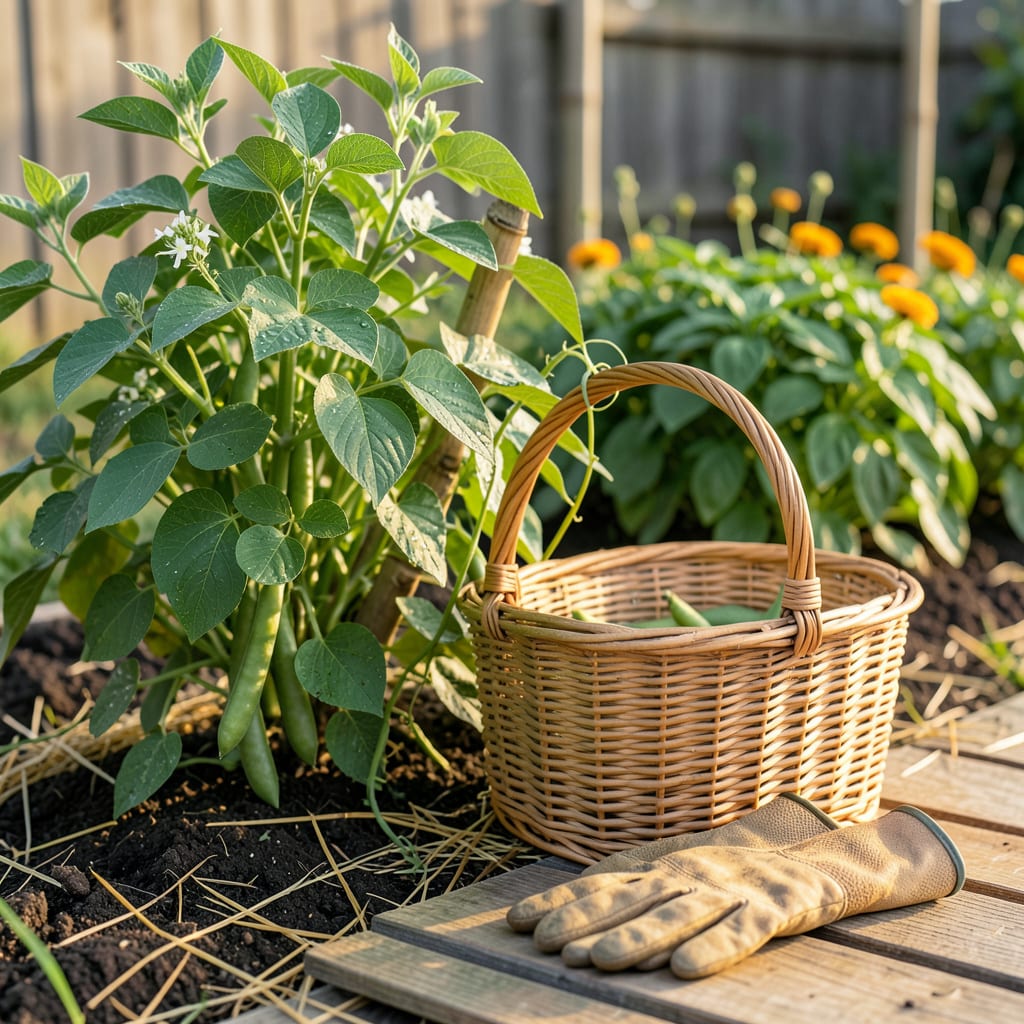
There’s nothing quite like the crunch of a perfectly ripe green bean—fresh from the vine and bursting with flavor. But timing is everything: pick too soon, and you’ll get tough, underdeveloped pods; wait too long, and they turn stringy and bitter.
I’ve spent seasons fine-tuning the art of harvesting 🫘 Green Beans at their peak. Whether you’re growing bush or pole varieties, I’ll show you the foolproof signs to look for—so you never second-guess that snap again. Let’s make this your most bountiful harvest yet.


Knowing exactly when to pick green beans can feel like a guessing game—but it doesn’t have to be. The secret lies in four key signs: size, snap, color, and texture. I’ll walk you through each one so you can harvest with confidence.
First, check the pod length. Most varieties are ready when they reach 4-6 inches. Smaller pods may still be tender, but larger ones risk becoming fibrous. Next, perform the snap test—a ripe bean will break cleanly with a satisfying crunch.
| Ripeness Sign | What to Look For | Not Ready Yet |
|---|---|---|
| Size | 4-6 inches long | Shorter than 4 inches 📏 |
| Snap Test | Breaks cleanly with a crunch ✅ | Bends without snapping 🟢 |
| Color | Bright green, uniform hue | Pale or dull green 🔍 |
| Texture | Firm but tender, slight give | Hard or rubbery feel |
Color matters too! Ripe beans should be vibrant green—not pale or yellowing. If you spot bulging seeds inside the pod, you’ve waited too long. Those overmature beans will taste starchy, not sweet and crisp.
For bush beans, check plants every 2-3 days once pods appear. They tend to mature all at once. Pole beans, however, produce over a longer period—inspect vines every 3-4 days for new ready pods.
Here’s a trick I swear by: harvest in the morning. Pods are crispest after a cool night. Use clean scissors or your fingernails to avoid damaging the plant. Always hold the vine gently—tugging can uproot shallow roots.
If you’re growing heirloom varieties like Dragon Tongue, watch for unique cues. These often develop yellow streaks when ripe. When in doubt, pick one pod and taste-test it—your palate won’t lie!
Remember, frequent picking encourages more production. A well-tended green bean plant can yield for 2-3 weeks if you stay on top of harvesting. Store picked beans in a perforated bag in the fridge to maintain freshness.
Avoid the temptation to wait for “bigger” beans. Overripe pods signal the plant to stop producing. I’ve learned the hard way that smaller, younger pods taste best—crisp, sweet, and free of tough strings.
Finally, keep an eye on weather. Hot spells can speed up maturity, while cool, wet periods may delay it. Adjust your checking schedule accordingly, and you’ll enjoy a steady supply of garden-fresh beans all season.
Not all green beans mature at the same pace—bush beans often ripen faster than pole beans, while heirloom varieties may have unique cues. Understanding these differences ensures you don’t miss your harvest window. Let’s break down the timelines.
Most bush beans (like Blue Lake) are ready in 50-55 days, while pole beans (such as Kentucky Wonder) take 55-65 days due to their vining growth. Heirlooms like Dragon Tongue may show color changes (yellow streaks) when ripe.
| Variety | Days to Harvest | Key Ripeness Cue | Picking Frequency |
|---|---|---|---|
| Bush Beans (e.g., Blue Lake) | 50-55 days | 4-6″ pods, firm snap | Every 2-3 days |
| Pole Beans (e.g., Kentucky Wonder) | 55-65 days | Slightly longer pods, tender | Every 3-4 days |
| Heirloom (e.g., Dragon Tongue) | 55-60 days | Yellow streaks appear | Every 4-5 days |
For bush beans, expect a concentrated harvest over 2-3 weeks. Pole beans produce longer but require trellis support—check vines daily once flowering starts. Heirlooms often have shorter windows, so prioritize picking them first.
If you planted succession crops, note that later sowings may mature faster in warmer soil. Always test a pod’s snap—if it bends instead of breaking cleanly, wait another day. Overripe pods turn leathery and reduce future yields.
Pro tip: Morning harvests yield the crispiest beans. Use sharp scissors to avoid tugging vines, especially with delicate pole varieties. Store picked beans in a perforated bag in the fridge for up to 5 days.
For a continuous supply, plant new seeds every 2 weeks until midsummer. This staggers harvests and prevents a glut of beans all at once. Keep soil consistently moist—drought stress speeds up pod toughening.
Want to enjoy fresh green beans for weeks instead of days? With a few simple strategies, you can stretch your harvest season and get the most from your plants. I’ve tested these methods in my own garden, and they’ve made all the difference.
First, plant in succession. Sow new seeds every 2-3 weeks until midsummer. This staggers your harvests so you’re not overwhelmed with beans all at once. It also ensures a steady supply as older plants wind down.
Frequent picking is the golden rule. The more you harvest, the more your plants will produce. I aim to check my bush beans every 2 days and pole beans every 3 days during peak season.
Don’t forget about proper storage. After picking, place beans in a perforated plastic bag in the fridge. They’ll stay fresh for 5-7 days. For longer storage, blanch and freeze them—they’ll keep their texture for months.
If your plants start looking tired, a light fertilizer boost can help. I use a balanced 10-10-10 every 4-6 weeks, but avoid overdoing it. Too much nitrogen leads to leafy growth instead of pods.
Finally, watch the weather. Hot spells can stress plants, while cool nights slow production. Adjust your watering schedule accordingly, and you’ll keep those beans coming well into fall.
For bush beans, inspect plants every 2-3 days once pods appear. Pole beans need checking every 3-4 days since they produce over a longer period. Morning checks are ideal when pods are crispest.
Overripe pods become tough, stringy, and bitter. You’ll also see bulging seeds inside, signaling the plant to stop producing new beans. Harvest promptly to keep plants productive and pods tender.
It’s best to wait until pods dry. Wet beans can develop mold in storage and may snap unevenly during the ripeness test. Morning harvests after dew dries are perfect for crisp, clean picking.
Bitterness often comes from heat stress or inconsistent watering. Keep soil evenly moist with 1-2 inches weekly. Harvesting during cooler morning hours also reduces bitterness.
Never remove flowers! They develop into your harvest. Instead, pick pods frequently to encourage more flowering. Bush beans especially respond well to regular harvesting by producing additional blooms.
