
Beautiful Plants For Your Interior
Beautiful Plants For Your Interior
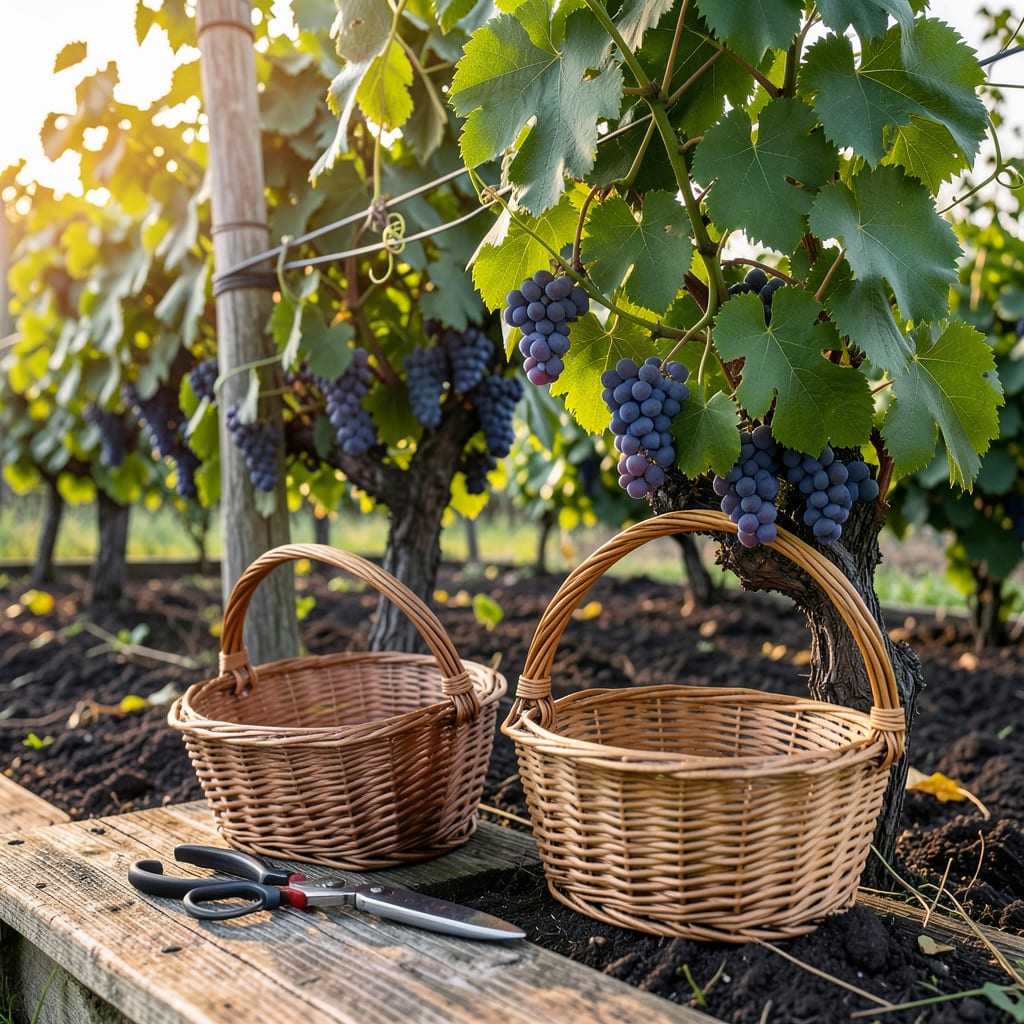
Knowing exactly when to pick your 🍇 Grape can turn a mediocre harvest into an exceptional one. Timing is the key to getting that perfect balance of sweetness and flavor.
From August to October, I’ll show you how to spot the telltale signs of ripeness and avoid the common pitfalls that lead to underripe or overripe clusters.


Timing your grape harvest perfectly starts with understanding Brix levels, which measure the sugar content in the fruit. As grapes ripen, their sugar concentration rises, directly impacting flavor and quality for both table grapes and wine production.
I always use a handheld refractometer to test Brix levels. It’s a simple tool that gives an instant reading by analyzing a drop of grape juice. This method is far more reliable than guessing based on appearance alone.
| Grape Variety | Brix Range | Harvest Use |
|---|---|---|
| Concord | 18-22 | Jelly, Juice |
| Thompson Seedless | 17-20 | Raisins, Table |
| Cabernet Sauvignon | 22-26 | Red Wine |
| Chardonnay | 20-24 | White Wine |
Environmental factors like sunlight exposure and water availability can significantly affect Brix levels. Grapes grown in full sun with consistent watering tend to develop higher sugar content more efficiently.
For table grapes, a Brix level of 17-20 usually indicates peak ripeness. At this stage, the grapes are sweet and flavorful, perfect for fresh eating. If you’re making wine, aim for higher Brix levels, typically 22-26, depending on the variety.
I recommend testing multiple clusters from different parts of the vine. Sugar levels can vary, especially if some areas receive more sunlight or have better air circulation. This ensures you get a true representation of the overall ripeness.
If your grapes aren’t reaching the desired Brix level, consider reducing irrigation a week or two before harvest. This stress can help concentrate sugars in the berries, but be careful not to overdo it, as excessive stress can harm the vines.
Another tip is to test Brix levels early in the morning when the grapes are fully hydrated. This gives you the most accurate reading of their natural sugar content without the influence of daily temperature fluctuations.
Remember, Brix levels are just one indicator of ripeness. Combining this with taste tests and visual cues will give you the most reliable results. In my experience, grapes that look ripe aren’t always ready, so testing is essential.
With practice, you’ll start to recognize the subtle signs that your grapes are at their peak. Whether you’re growing for the table or the press, mastering Brix levels will elevate your harvest quality every time 🌿
While Brix levels provide a scientific approach, I always combine them with taste and visual tests for the most accurate harvest timing. These simple, tool-free methods help confirm whether your grapes are truly ready to pick.
Start by examining the seed color. In most varieties, seeds turn from white or green to brown or black as the fruit matures. This is one of the first visual signs that your grapes are nearing ripeness.
Next, perform a taste test by sampling berries from different clusters. A ripe grape should have a balanced sweetness and acidity. If it’s still tart, wait a few more days and test again.
The skin texture also changes as grapes ripen. Immature grapes have thicker, tougher skins, while ripe ones develop a slightly softer, smoother surface. Gently rub a grape between your fingers to feel the difference.
Don’t forget to check the cluster appearance. Ripe clusters often look fuller and more uniform in color. The berries should be uniform in size for the variety, with no green patches remaining.
I recommend testing multiple berries from different parts of the vine, as ripening can vary. Grapes on the sunny side often mature faster than those in shaded areas. This comprehensive approach ensures you don’t miss the perfect harvest window ✂️
Harvesting grapes at the wrong time can ruin weeks of hard work in your vineyard. I’ve seen many gardeners pick too early, resulting in tart, underdeveloped fruit that lacks sweetness and complexity.
Another common error is waiting too long. Overripe grapes can become mushy, split, or attract pests like birds and wasps. They may also ferment on the vine, which is great for wine but not for fresh eating.
⚠️ Warning: Harvesting in wet conditions can lead to mold and rot. Always pick grapes when they’re dry to ensure better storage and quality.
Ignoring the weather forecast is another mistake I advise against. A sudden rainstorm can dilute sugar content and cause berries to split. If rain is expected, harvest a few days early to preserve quality.
Improper handling during harvest can bruise the berries, leading to spoilage. Always use sharp pruning shears to cut clusters cleanly from the vine, and place them gently in shallow containers to prevent crushing.
If you find your grapes are underripe, don’t despair. Leave them on the vine for a few more days and retest. For overripe grapes, use them immediately for juice or jelly, as they won’t store well. With attention to detail, you’ll avoid these pitfalls and enjoy a perfect harvest every time 🌿
A handheld refractometer is ideal for testing Brix levels. It gives instant readings from a drop of juice, ensuring accurate sugar measurement for perfect harvest timing.
Underripe grapes are hard, tart, and have green stems. Seeds will still be white or green, and they won’t separate easily from the cluster.
Yes! Rain can dilute sugar content and cause berries to split. If heavy rain is forecasted, pick your grapes 1-2 days early to preserve quality.
Properly stored grapes last 1-2 weeks in the fridge. For longer storage, use shallow containers and avoid washing until ready to eat.
