
Beautiful Plants For Your Interior
Beautiful Plants For Your Interior
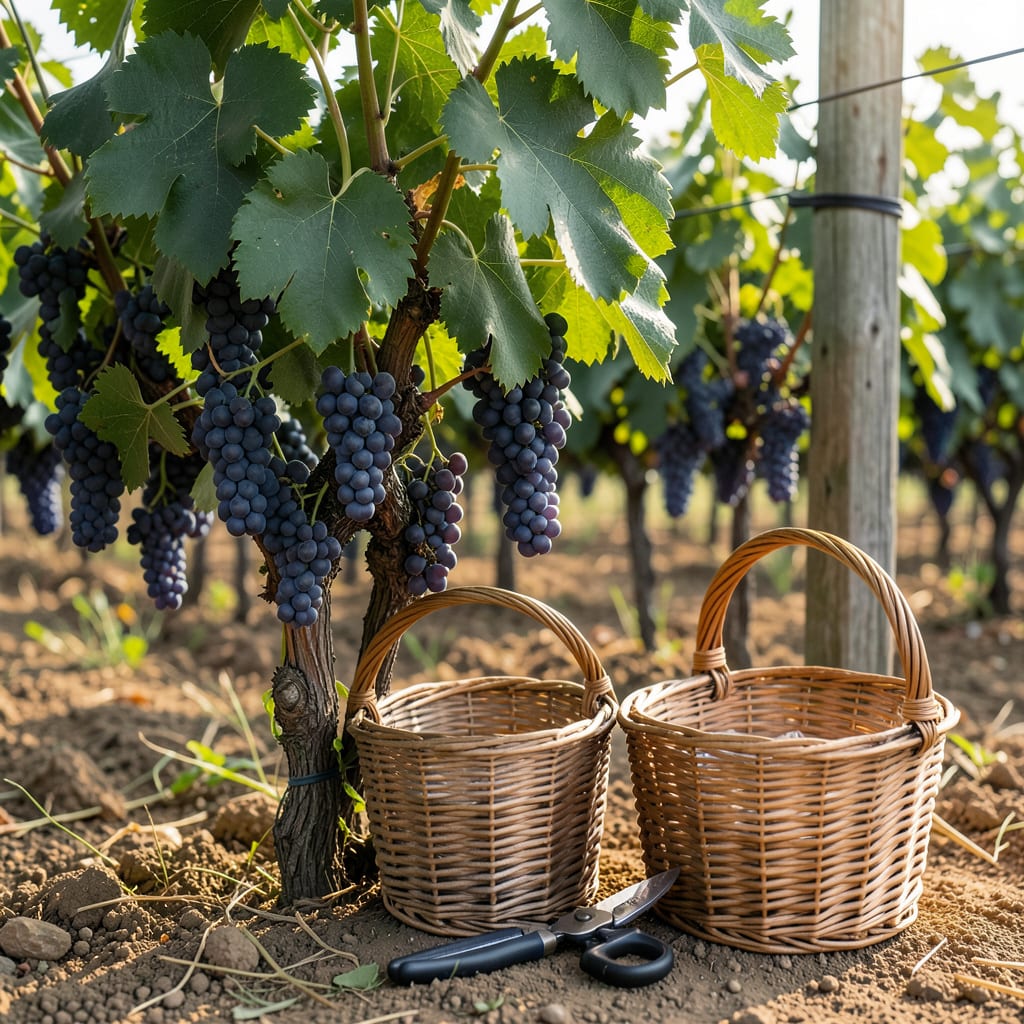
Timing your Grape 🍇 harvest perfectly can mean the difference between tart, underripe fruit and the sweetest, juiciest bunches of the season. Knowing when to pick ensures optimal flavor.
Whether you’re growing for the table or for winemaking, discover the key indicators that signal your grapes are ready. From color changes to sugar levels, I’ll show you how to get it right every time.
When it comes to grape harvesting, timing is everything. The perfect window depends on your grape variety and local climate. Wine grapes, table grapes, and seedless types all have unique needs.
In warmer zones like California, you might start picking as early as July. Cooler regions often wait until September or October. I always check for visual cues before deciding.
| Variety | Climate Zone | Harvest Time |
|---|---|---|
| Wine Grapes | Zones 7-10 | August – October |
| Table Grapes | Zones 5-9 | July – September |
| Seedless Grapes | Zones 6-9 | Late August – October |
For wine grapes, I watch for sugar levels to reach 22-26% Brix. Table grapes are ready when they taste sweet and juicy with balanced acidity.
In cool climates, the growing season is shorter. I recommend early-ripening varieties like Concord or Niagara. These typically mature in 120-150 days.
Late-season grapes like Cabernet Sauvignon need 150-180 days of warmth. In zone 6, I’ve found they do best when planted in full sun with south-facing exposure.
Color is a great indicator. Red grapes deepen to rich burgundy, while white grapes turn translucent. I always test a few berries from different clusters to confirm ripeness.
Don’t forget about stem color. When stems turn brown and woody, it’s a good sign. The grapes should also separate easily from the vine with a gentle tug.
In my experience, morning harvests work best. The grapes are cooler and firmer, which helps preserve their freshness during storage or transport.
Weather plays a big role too. A dry spell before harvest concentrates sugars. But if rain is forecast, I’ll pick early to avoid berry splitting or rot.
Finally, remember that seed maturity matters. For seeded varieties, the seeds should turn brown and crunchy when fully ripe. This is less critical for seedless types but still worth checking.
Testing grape ripeness is both an art and a science. I always start with the taste test—it’s the simplest way to know if your grapes are ready. Sweetness and balanced acidity are key indicators.
A refractometer is my go-to tool for precision. It measures sugar content, or Brix, which should hit 20-26% for most table grapes. Wine grapes often need even higher levels.
The squeeze test is another quick method. Gently press a grape between your fingers. If it’s firm but yields slightly, it’s likely ripe. Hard grapes need more time.
Color changes are obvious signs. For example, Concord grapes turn deep purple, while Thompson Seedless become translucent green. I check multiple clusters for consistency.
For wine grapes, I also consider seed color. Mature seeds turn brown and crunchy. This isn’t as critical for seedless varieties, but it’s a good secondary check.
Finally, the aroma test can be telling. Ripe grapes emit a sweet, fruity scent. If they smell fresh and inviting, they’re probably ready for harvest.
Harvesting grapes at the wrong time can ruin months of hard work. I’ve seen early picking result in tart, underripe fruit, while waiting too long leads to overripe, mushy berries.
Weather conditions are another critical factor. Picking during or right after rain can cause berry splitting and promote rot. I always check the forecast and aim for dry, sunny days.
Picking too early: Results in sour, hard grapes with poor flavor.
Ignoring weather: Rain before harvest can dilute sugars and cause splitting.
Improper handling: Rough treatment bruises grapes and shortens storage life.
Improper handling is a common mistake. Grapes bruise easily, so I use sharp pruners and gentle hands. Always harvest into clean, shallow containers to prevent crushing.
Storage errors can also reduce quality. Grapes need cool, humid conditions. I store mine in the refrigerator or a cool root cellar to extend freshness.
Finally, don’t overlook cluster sampling. I test grapes from different parts of the vine, as ripeness can vary. This ensures a consistent harvest every time. ☀️
Early morning is ideal when temperatures are cool. This keeps grapes firm and prevents crushing during handling.
Most varieties need 120-180 days to mature. Early types like Concord may ripen in 120 days, while late varieties can take 180 days.
Avoid harvesting during or right after rain. Wet grapes are prone to splitting and rot. Wait for dry, sunny conditions instead.
Look for wrinkled skins, mushy texture, or an overly sweet, fermented smell. Overripe grapes often fall off the vine easily.
