
Beautiful Plants For Your Interior
Beautiful Plants For Your Interior
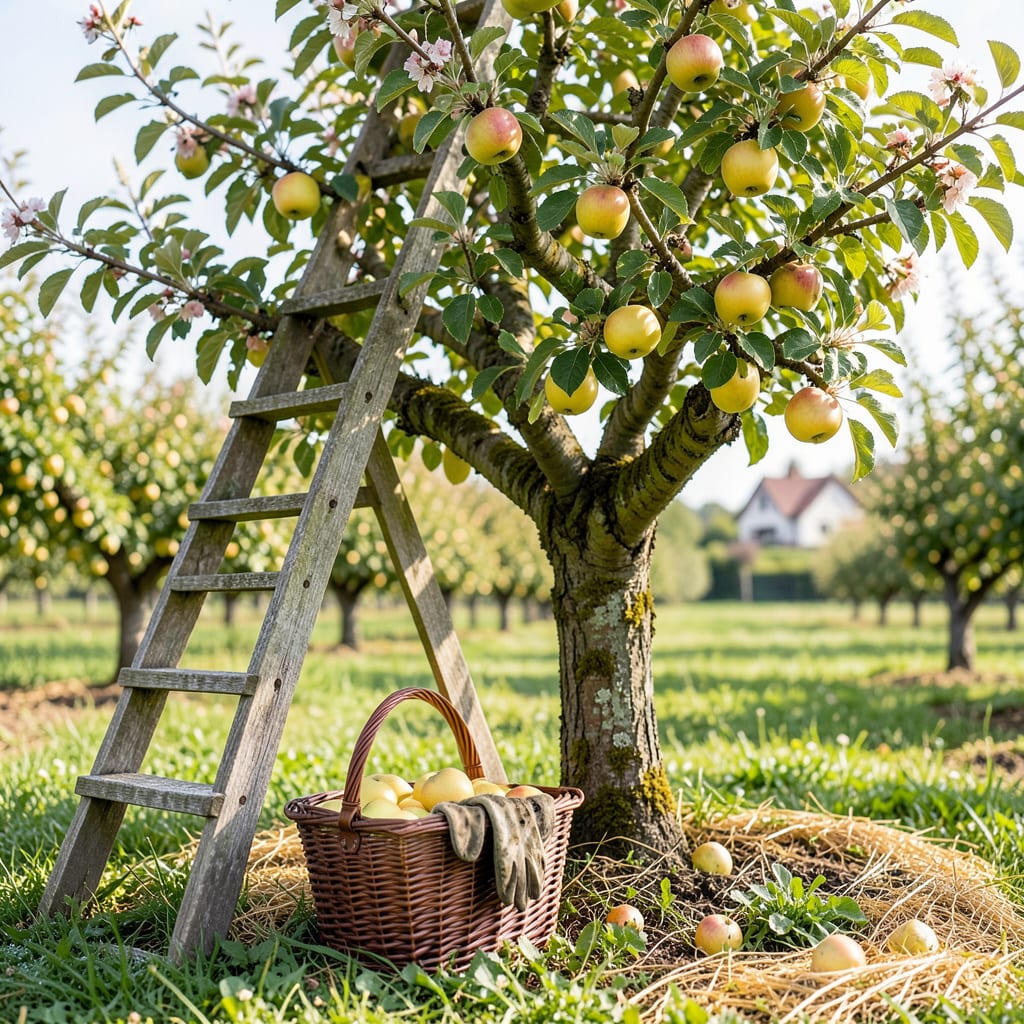
There’s nothing quite like biting into a perfectly ripe Golden Delicious apple—crisp, sweet, and bursting with flavor. But timing is everything. Pick too soon, and you’ll get a tart, underwhelming bite; wait too long, and the fruit turns mealy.
If you’ve ever stood under your tree wondering, Is it time?, you’re not alone. I’ll walk you through the foolproof signs—from color shifts to the twist test—that guarantee your 🍎 Golden Delicious harvest is at its peak. No guesswork, just juicy perfection.


Golden Delicious apples won’t shout when they’re ripe, but they’ll whisper through subtle changes. The first clue is color transformation—watch as the skin shifts from green to a vibrant golden-yellow with a faint blush. Don’t rely on color alone, though; regional climates can tweak hues.
Next, give the apple a gentle lift and twist. If it separates easily from the stem with minimal effort, it’s likely ready. Forcing it off means it needs more time. I’ve found this twist test more reliable than any calendar date, especially in unpredictable weather years.
| Ripeness Sign | What to Look For | Ready? |
|---|---|---|
| Color | Golden-yellow with blush | 🟡 |
| Stem Separation | Twists off with slight pressure | ✅ |
| Seed Color | Brown, fully developed | 🍎 |
| Texture | Firm but yields slightly | 🟢 |
| Aroma | Sweet, fragrant scent | 🌸 |
Cut open a test apple to check the seeds inside. If they’re dark brown, the fruit is mature. Pale seeds mean it’s not ready. I learned this trick after harvesting a batch too early—the seeds were still white, and the flavor was disappointingly tart.
Press your thumb gently against the apple’s skin. A slight give indicates ripeness, but it should still feel firm overall. Overly soft spots suggest overripeness. Golden Delicious apples at peak ripeness also release a sweet, floral aroma—sniff near the stem for the strongest scent.
Timing varies by growing zone. In cooler climates (Zones 5–6), harvest often starts in late August, while warmer regions (Zones 8–9) may see ripe fruit as late as October. A sudden heatwave can accelerate ripening, so monitor daily as harvest nears.
Don’t ignore the days-to-maturity count. Golden Delicious typically need 150–180 days from bloom to harvest. If you tracked your tree’s flowering date, add 5–6 months to estimate your window. My tree’s harvest shifted a week early one year after an unusually hot July.
Watch for wildlife activity—squirrels and birds know ripe fruit when they see it. If critters start nibbling, it’s time to pick, even if other signs seem borderline. I once lost half my crop to raccoons because I waited one day too long!
Finally, trust the taste test. Sample an apple from different sides of the tree (sun exposure varies). If it’s sweet with balanced acidity, the rest are likely ready. Underripe fruit tastes starchy; overripe apples turn mealy. Aim for that perfect middle ground.
After picking, store apples in a cool, dark place (around 32°F) to extend freshness. They’ll keep for 4–6 weeks in proper conditions. Avoid washing until ready to eat—moisture speeds up spoilage. Now that you know the signs, you’re set for a bountiful, flavorful harvest! 🪴
Golden Delicious apples don’t ripen on a strict calendar—they follow nature’s timeline, which shifts by region. In cooler zones (5–6), you’ll typically start harvesting in late August, while warmer areas (Zones 8–9) may not see ripe fruit until early October. I’ve learned to watch the tree, not the date.
Your local microclimate plays a huge role. A heatwave can rush ripening by a week, while a cool, wet summer might delay it. Last year, my Zone 7 harvest came 10 days early after a scorching July. Always be ready to adjust your plans based on weather patterns.
Track your tree’s days-to-maturity for precision. Golden Delicious typically need 150–180 days from bloom to harvest. If you noted when your tree flowered, count forward 5–6 months to estimate your window. My harvest log shows this method is more reliable than guessing.
Early frosts can damage fruit, so in northern zones, aim to pick before temperatures dip below 28°F. A light frost may sweeten apples slightly, but hard freezes turn them mushy. I once lost a third of my crop to an unexpected October freeze—now I monitor forecasts religiously.
In southern zones, intense summer heat can cause sunburn on exposed fruit. If your apples develop brown patches, harvest them promptly, even if slightly early. The flavor won’t improve on the tree, and the damaged spots will worsen.
Remember, elevation matters too. Higher altitudes often mean cooler temps and later harvests. My neighbor’s orchard, just 500 feet higher than mine, picks two weeks after I do. When in doubt, test a few apples using the twist method from Section 1.
After harvesting, store apples in a cool, humid spot (like a root cellar) to maintain crispness. They’ll keep for 4–6 weeks if stored properly. Avoid refrigerating unwashed apples—moisture speeds up decay. Now you’re ready to enjoy your homegrown Golden Delicious at their peak! 🌿
Even when Golden Delicious apples look ready, a quick test confirms their peak flavor. The twist-and-lift method is my go-to: gently grasp the apple, tilt it sideways, and give a slight twist. If it releases cleanly from the stem, it’s ripe. Forcing it means it needs more time.
For absolute certainty, cut open a test apple and examine the seeds inside. Mature seeds are deep brown and fully formed. If they’re pale or greenish, the fruit isn’t ready. I once harvested a batch too early—the seeds were still white, and the apples tasted disappointingly tart.
⚠️ Pro Tip: Avoid Pulling!
Never yank apples from the tree—this damages the spur (fruit-bearing wood) and reduces next year’s crop. Always use the gentle twist method to preserve your tree’s health.
The taste test is the final verdict. Sample an apple from a sun-exposed branch and one from shade. Ripe Golden Delicious should be sweet with mild acidity and a crisp bite. Underripe fruit tastes starchy; overripe apples turn mealy near the core.
Commercial growers often use a starch-iodine test, but you can DIY it: slice an apple and dab with iodine. If it stays yellow-orange, starch has converted to sugar—it’s ripe! Dark purple spots mean it needs more time. I skip this for home use but find it fascinating for science-loving gardeners.
After picking, store apples in a cool, dark place (32–40°F) to slow ripening. They’ll keep for 4–6 weeks if unwashed and stored in breathable containers. Avoid plastic bags—trapped moisture causes rot. Now you’re ready to enjoy your homegrown Golden Delicious at their juicy best! 🌳
It’s completely normal for apples on the same tree to ripen at different times. Start by picking the ones that show the most color change and pass the twist test. The apples on the outer branches (more sun exposure) often ripen first. Check your tree every few days during harvest season.
Golden Delicious apples don’t ripen significantly after picking like some fruits. They might soften slightly but won’t develop more sweetness or flavor. It’s always best to wait for full ripeness on the tree. If you must pick early, use them quickly for baking where sweetness can be adjusted.
Overripe apples will feel soft all over and may drop from the tree on their own. The flesh becomes mealy rather than crisp, and the flavor loses its balance. You might also notice increased wildlife activity as animals sense the overripe fruit. Harvest immediately if you notice these signs.
Morning is ideal for harvesting apples when temperatures are cooler. The fruit will be crispest and least likely to bruise. Avoid picking during the heat of the day or when the fruit is wet from rain or dew, as this can lead to quicker spoilage during storage.
Several factors can affect flavor, including inconsistent watering during the growing season or excessive heat. Trees under stress often produce less flavorful fruit. Next season, maintain consistent moisture (about 1 inch per week) and consider a balanced fertilizer to improve next year’s flavor profile.
