
Beautiful Plants For Your Interior
Beautiful Plants For Your Interior
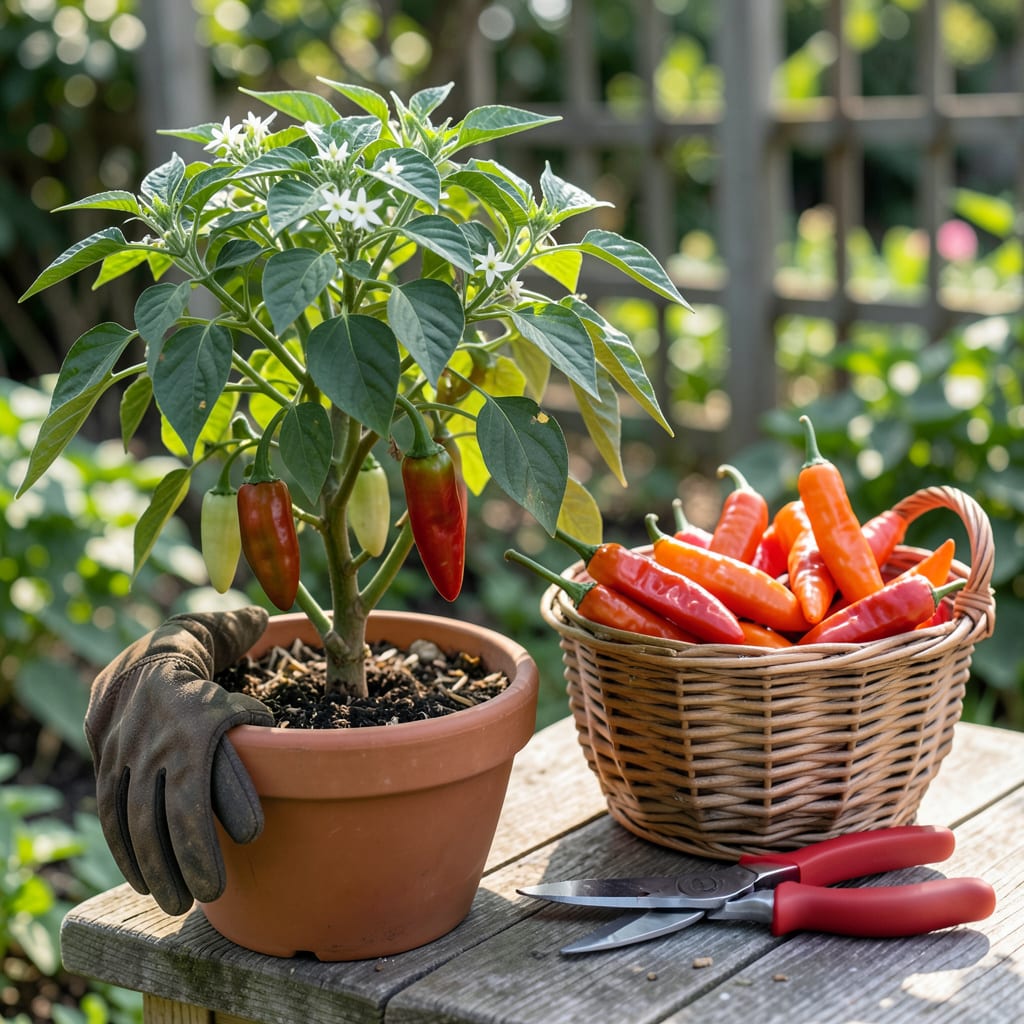
Timing is everything when it comes to harvesting Ghost Peppers—pick too soon, and you miss out on that legendary heat; wait too long, and you risk losing them to rot or pests. I’ve seen gardeners make both mistakes, but the difference between a mediocre harvest and perfectly fiery peppers comes down to knowing the right signs.
From color shifts to texture clues, I’ll break down exactly what to look for so you can confidently pluck your 🌶️ Ghost Peppers at their peak. Whether you’re drying them for spice blends or using them fresh, nailing the harvest window ensures you get the flavor—and the fire—you’ve worked so hard to grow.


When your Ghost Peppers start changing colors, it’s the first big clue they’re nearing harvest time. The journey from green to bright red is the most obvious sign, but don’t rely on color alone. I’ve found that size and texture matter just as much—look for peppers that are 2-3 inches long with a glossy, firm skin.
Environmental factors like sunlight exposure and temperature swings can speed up or slow down ripening. In hotter climates, peppers may ripen faster, while cooler areas might extend the process. Always check the stem attachment—a ripe pepper will detach with a gentle tug, while an unripe one clings stubbornly.
A common mistake is harvesting too early when peppers are still green or yellow. These underripe pods lack the full capsaicin development, meaning less heat and flavor. On the flip side, leaving them too long risks splitting, rot, or bird damage. I once lost half my crop to hungry birds—lesson learned!
The glossy sheen on a ripe Ghost Pepper is a dead giveaway. If the skin looks dull or wrinkled, it’s either not ready or past its prime. Another trick? Gently press the pepper—it should give slightly under thumb pressure but bounce back. Too soft means it’s overripe; too hard means it needs more time.
Don’t forget to check the calyx (the green leafy part at the stem). In ripe peppers, it often turns slightly brown or dry. This small detail can confirm what the color and texture are telling you. If you’re growing multiple plants, compare peppers across them—consistency in ripeness signs is key.
Climate plays a huge role in ripening speed. In hot, dry regions, Ghost Peppers may ripen in as little as 90 days, while cooler, wetter areas could push that to 120+ days. Keep a garden journal to track your local timeline—it’ll help you predict harvests in future seasons.
If you’re unsure, leave the pepper on the plant a few more days. Ghost Peppers don’t ripen further once picked, so patience pays off. I like to do a “test harvest”—pick one pepper when it seems ready, then taste a tiny piece (with gloves!). If it’s not fiery enough, wait a bit longer for the rest.
Once you’ve confirmed ripeness, use sharp pruners or scissors to avoid damaging the plant. Always wear gloves—the oils can irritate skin and eyes. Store harvested peppers in a cool, dry place or dry them for long-term use. Proper timing ensures you get the full heat and flavor you grew them for!
Remember, Ghost Peppers are finicky—they won’t all ripen at once. Stagger your harvests, checking plants every 2-3 days once the first peppers start changing color. This way, you’ll catch each one at its peak without missing the window.
While color and size are great starting points, they don’t always tell the full story. I’ve had Ghost Peppers that looked ready but lacked their signature heat. That’s why I rely on a few extra tests to confirm ripeness before harvesting. The “squeeze test” is my go-to—gently press the pepper with your thumb.
A perfectly ripe Ghost Pepper will give slightly under pressure but still feel firm. If it’s rock-hard, it needs more time; if it’s mushy, it’s overripe. This tactile check helps avoid the disappointment of harvesting too early. I also recommend the “sniff test”—a ripe pepper will have a strong, fruity aroma at the stem.
For the brave, the “taste test” is the ultimate confirmation—but proceed with caution! Use gloves to cut a tiny piece from the tip of the pepper. If the heat level meets your expectations, the rest are likely ready. If it’s milder than expected, wait another 3-5 days before testing again.
Don’t rely solely on the “days to maturity” estimates on seed packets. Ghost Peppers can take anywhere from 90 to 120 days, but weather, soil, and care practices affect this. I’ve had plants in full sun ripen faster than those in partial shade, even when planted at the same time. Track your own timeline for future reference.
The calyx (the green cap at the stem) is another hidden clue. When ripe, it often turns slightly brown or papery. If it’s still vibrant green, the pepper likely needs more time. Combine this with the squeeze and sniff tests for a foolproof approach. I’ve saved many peppers from being picked too early by checking these details.
If you’re growing Ghost Peppers for maximum heat, err on the side of waiting. Capsaicin (the compound responsible for heat) increases as the pepper ripens. A fully red, slightly wrinkled pepper will often be hotter than a smooth, orange one. Just don’t wait so long that the skin becomes leathery or the pepper starts to soften.
Once you’ve confirmed ripeness, harvest with care. Use sharp scissors or pruners to avoid damaging the plant. Always wear gloves—Ghost Pepper oils can cause skin irritation and are painful if they touch your eyes. Store harvested peppers in a cool, dry place or dry them immediately for long-term use.
Remember, not all peppers on a plant ripen at the same time. Check your plants every 2-3 days once the first peppers start changing color. This way, you’ll catch each one at its peak. If frost is forecasted, harvest all peppers—even slightly unripe ones can be ripened indoors in a paper bag.
Harvesting Ghost Peppers at the wrong time can seriously impact their flavor and heat. If you pick them too early, you’ll miss out on that signature fiery kick—capsaicin levels peak as the pepper ripens. I’ve tasted early-harvested Ghost Peppers that were disappointingly mild, almost like a regular jalapeño.
On the other hand, waiting too long can lead to overripe peppers that split, rot, or even start germinating seeds inside the pod. I once left a batch on the plant a week too long, and half of them developed moldy spots from late-summer humidity. It’s a delicate balance!
If you accidentally harvest underripe Ghost Peppers, don’t panic! You can ripen them indoors by placing them in a paper bag with a banana or apple. The ethylene gas from the fruit speeds up ripening. I’ve saved many peppers this way when an early frost threatened my crop.
When frost is in the forecast, it’s better to harvest all peppers—ripe or not—rather than lose them. Unripe peppers can still be used in cooked dishes (where their mildness is less noticeable) or dried for decorative purposes. Just don’t expect that signature Ghost Pepper heat from green pods.
For the best results, aim for that sweet spot where peppers are fully colored but still firm. If you’re growing Ghost Peppers for heat, waiting until they’re deep red ensures maximum capsaicin. But if you prefer a balance of heat and flavor, harvesting at the orange-red stage might be ideal.
Remember, Ghost Peppers won’t all ripen at once. Check your plants every 2-3 days during harvest season. I like to use a garden journal to track which peppers I’ve picked and which need more time. This way, nothing slips through the cracks! 🌶️
Ghost peppers typically take 90-120 days from transplanting to reach full ripeness. The timeline depends on your climate—hotter regions may see ripe peppers in 90 days, while cooler areas might need the full 120 days or more.
Yes, but they won’t have their full heat or flavor. Green peppers are underripe and much milder. If you must harvest early, place them in a paper bag with a banana to speed up ripening indoors. Just don’t expect that signature fiery kick!
Always wear gloves when handling to avoid skin irritation. Use sharp scissors to cut the stem, never pull by hand. Store fresh peppers in a cool, dry place or dry them immediately for long-term use. Never touch your face after handling!
Orange peppers are fully ripe but haven’t reached maximum heat yet. The deep red stage indicates peak capsaicin levels. Climate factors like cooler temperatures can cause peppers to stay orange. Both colors are edible, but red ones pack more punch!
Inspect your plants every 2-3 days once the first peppers start changing color. Ghost peppers don’t all ripen at once, so frequent checks ensure you catch each one at its peak. Keep a garden journal to track which peppers you’ve harvested.
