
Beautiful Plants For Your Interior
Beautiful Plants For Your Interior
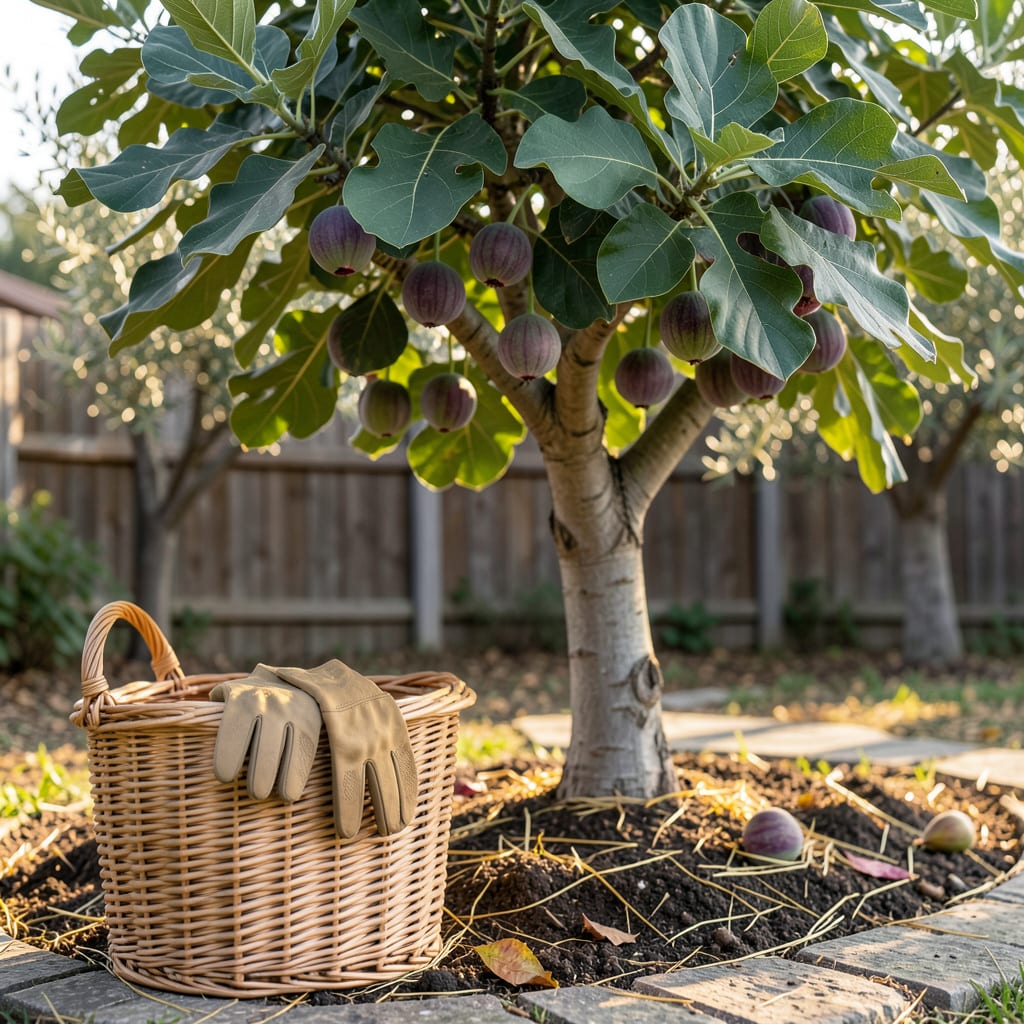
There’s nothing quite like the taste of a perfectly ripe fig—juicy, honey-sweet, and meltingly tender. But pick it too soon, and you’re left with a bland, rubbery disappointment. Timing is everything when it comes to harvesting figs, and even seasoned gardeners sometimes miss the subtle signs.
I’ll show you exactly what to look for—from color shifts to that telltale droop—so you never second-guess your harvest again. Whether you’re growing Black Mission, Brown Turkey, or another variety, these cues will ensure every fig you pick is at its peak sweetness. Let’s get started.


Fig trees don’t exactly shout when their fruit is ready—but they do whisper. The trick is knowing where to look. I’ve found that color changes are the first clue, but they’re just the beginning. A fully ripe fig will practically beg you to pick it with subtle (and not-so-subtle) signals.
Unlike some fruits, figs won’t continue ripening once picked, so timing is everything. I’ll walk you through the five key signs to watch for, including how they differ slightly between popular varieties like Black Mission, Brown Turkey, and Celeste figs. Let’s decode your tree’s secret language.
| Variety | Ripe Color | Texture Cue | Special Sign |
|---|---|---|---|
| Black Mission | Deep purple-black | Soft with slight give | Sweet aroma at stem |
| Brown Turkey | Coppery brown | Neck droops downward | Tiny cracks near base |
| Celeste | Golden yellow | Slightly wrinkled skin | Easily detaches |
💡 Pro Tip: Always check the neck of the fig—it should bend slightly when ripe!
The first sign is always color, but don’t rely on it alone. A Black Mission fig turns from green to deep purple, while a Brown Turkey shifts to a warm copper tone. I’ve seen gardeners mistake this for full ripeness, but color is just the opening act. The real magic happens when you gently squeeze the fruit.
A ripe fig should feel soft but not mushy—think of a ripe avocado’s give. If it resists pressure, it’s not ready. Another dead giveaway? The neck of the fig (where it attaches to the branch) will droop slightly, as if bowing to you. This is nature’s way of saying, “I’m ready!”
Don’t ignore the sweet aroma either. Ripe figs release a delicate, honey-like fragrance near the stem. If you don’t smell anything, give it another day or two. And here’s a little secret: tiny cracks near the base of the fig are actually a good sign! They indicate the fruit is at peak sweetness.
One common mistake I see is waiting for figs to fall off the tree. By then, they’re often overripe and attracting pests. Instead, give the fig a gentle twist. If it comes away easily with just a slight tug, it’s perfect. If you have to yank, it needs more time. This is especially true for Celeste figs, which practically jump into your hand when ready.
Remember, figs can go from underripe to overripe in 24–48 hours, especially in hot weather. I recommend checking your tree daily once the first figs start changing color. And here’s a bonus tip: wear gloves when harvesting—the sap can irritate sensitive skin. Now that you know the signs, you’re ready to enjoy the sweetest harvest yet!
If your figs still aren’t ripening, it might be due to underwatering, too much nitrogen, or lack of sun. I’ll cover troubleshooting in the next section, but first, let’s talk about the ripening timeline—because knowing when to expect these signs is half the battle.
For now, grab a basket and head to your tree. Look for those drooping necks, give a few figs the gentle squeeze test, and inhale deeply near the stem. Your taste buds will thank you for waiting for that perfect moment of ripeness. Happy harvesting! 🌿
Understanding the fig ripening timeline is like having a roadmap to sweetness. From the moment those tiny buds appear until the fruit practically falls into your hand, each stage tells a story. I’ve watched this process unfold in my own garden, and timing really is everything with figs.
Most fig varieties follow a 120–150 day journey from flower to harvest, but climate and care can speed this up or slow it down. The key is recognizing the critical softening window—that magical 24–48 hour period when figs go from “almost” to “perfect.” Let’s break down what to expect week by week.
💡 Pro Tip: Mark your calendar 120 days after flowering to start daily ripeness checks!
In cooler climates, this timeline might stretch to 150 days, while hot southern regions can see figs ripen in as little as 100 days. I’ve noticed my trees in Zone 7 hit the sweet spot around Day 130, but your mileage may vary. The real secret? Watching the neck of the fig—that’s your countdown timer.
The final two weeks are where most gardeners get tripped up. A fig might look ready at Day 120, but if the neck hasn’t drooped and the fruit doesn’t detach easily, it’s not quite there. This is when I start my daily fig patrol, gently testing a few fruits each morning. Remember: figs don’t ripen after picking, so patience pays off!
Watering plays a huge role in timing too. Inconsistent moisture can delay ripening by weeks, while overwatering leads to split fruit. I aim for deep weekly soaks (more in extreme heat) and always water at the base of the tree to avoid fungal issues. A mulch ring helps maintain even moisture during this critical phase.
If your figs are taking forever to ripen, check for these common culprits: too much nitrogen (promotes leaves over fruit), not enough sun (figs need 6+ hours daily), or late frost damage to early buds. I once had a tree stall out because a nearby shrub was casting shade—moving it into full sun cut two weeks off my harvest time!
Now that you know the timeline, pair it with the visual signs from Section 1. When your figs hit that 13–16 week mark, start testing for softness and aroma daily. And here’s my golden rule: when in doubt, wait one more day. A perfectly ripe fig is worth the extra patience—your taste buds will confirm it! 🌿
Even experienced gardeners can sabotage their fig harvest without realizing it. I’ve made my share of mistakes over the years—like picking too early or ignoring subtle distress signals. The good news? Most fig failures are preventable with a few key adjustments to your routine.
One of the biggest blunders I see is harvesting based on color alone. A deep purple Black Mission fig might look ready, but if the neck hasn’t drooped and the fruit doesn’t detach easily, it’s still developing those complex sugars. Let’s dive into the most common pitfalls and how to sidestep them.
💡 Pro Tip: Check figs every morning during the final ripening window—they can go from perfect to overripe in 24 hours!
Another silent harvest killer is inconsistent watering. Figs need even moisture during fruit development, but too much water in the final weeks leads to split skins and bland flavor. I’ve found that drip irrigation on a timer works best—it delivers water slowly to the roots without wetting the fruit.
Don’t overlook nutrient imbalances either. Too much nitrogen gives you lush leaves but fewer, slower-ripening figs. Switch to a low-nitrogen fertilizer (like 5-10-10) once fruit sets. I apply mine in early spring and again when figs reach pea-size, then stop completely by midsummer to avoid soft, watery fruit.
Pest problems often catch gardeners by surprise. Just as your figs reach perfect ripeness, birds, squirrels, and raccoons move in for the feast. I protect my harvest with fine mesh netting draped over the tree as soon as figs start coloring. Secure it tightly at the trunk—critters are clever about finding entry points!
Finally, resist the urge to wash figs immediately after picking. Their delicate skin bruises easily, and moisture speeds up spoilage. Instead, I gently brush off dirt with a soft cloth and store them in a single layer in the fridge for up to 3 days. For longer storage, figs freeze beautifully—just lay them on a tray first to prevent sticking.
Remember, fig trees are forgiving, and even a less-than-perfect harvest teaches you something. Next season, you’ll spot those drooping necks sooner, recognize the honeyed aroma of ripeness, and time your watering just right. Now grab your gloves and basket—it’s time to enjoy the fruits of your patience! 🌿
Once figs start changing color, check them daily—especially in hot weather. Figs can go from perfectly ripe to overripe in just 24–48 hours. Morning is the best time to inspect them, as cooler temperatures slow the ripening process slightly.
Color alone isn’t enough! If the neck hasn’t drooped or the fruit doesn’t detach with a gentle twist, it’s not ready. Stress factors like underwatering or too much nitrogen can also delay softening. Give them another day or two and check again.
Figs only ripen on the tree, so patience is key. However, ensuring consistent watering (deep soaks 1–2 times weekly) and full sun exposure (6+ hours daily) helps them mature evenly. Avoid high-nitrogen fertilizers, which prioritize leaf growth over fruit development.
Store unwashed figs in a single layer in the fridge for up to 3 days. For longer storage, freeze them on a tray first, then transfer to a bag—they’ll keep for 6–8 months. Avoid stacking, as their delicate skin bruises easily.
No—timing varies by type! Black Mission figs often ripen earlier (late summer), while Celeste may take until early fall. Even on the same tree, figs can ripen in batches over 4–6 weeks. Keep an eye on color changes specific to your variety.
