
Beautiful Plants For Your Interior
Beautiful Plants For Your Interior
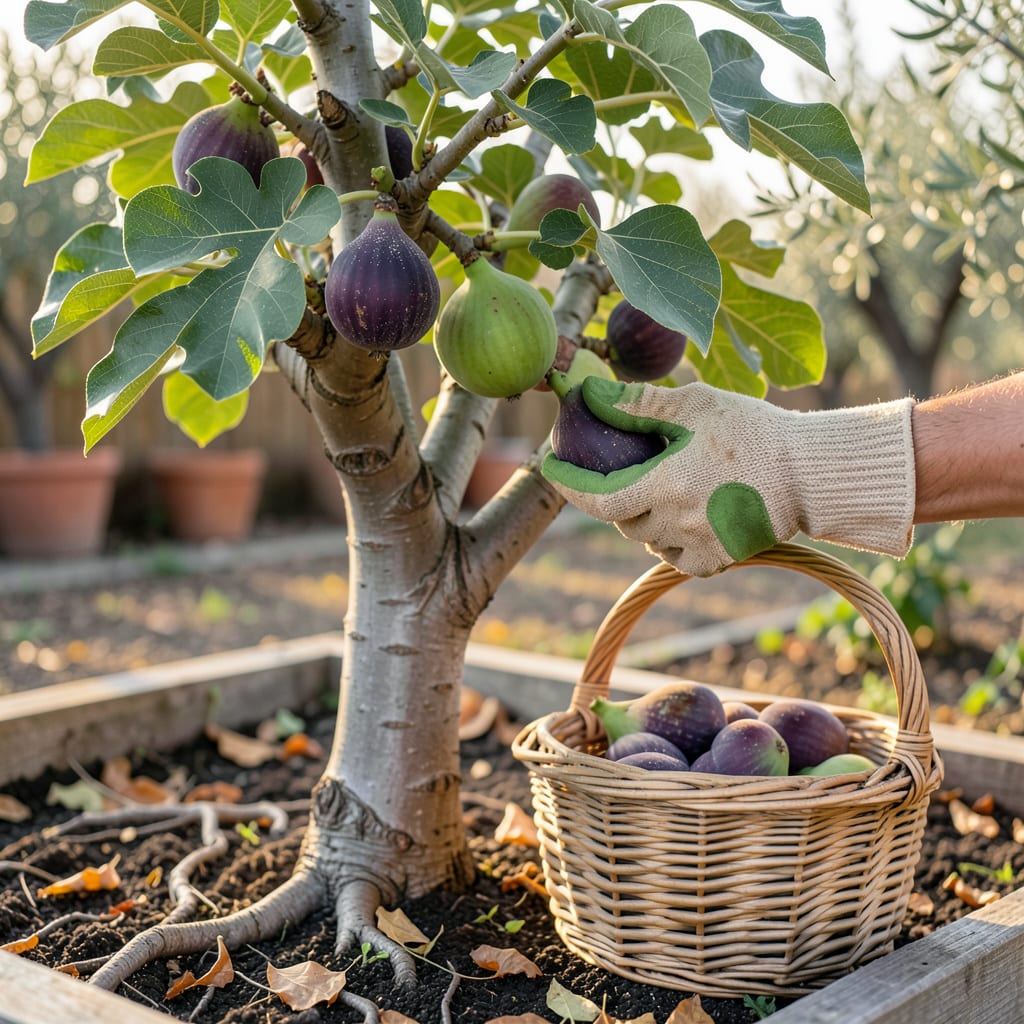
There’s nothing quite like biting into a perfectly ripe fig—honey-sweet and bursting with flavor. But timing is everything: pick too soon, and you’ll get a bland, chalky disappointment; wait too long, and the birds or rot will beat you to it.
After years of growing 🌳 figs in my own backyard, I’ve learned the subtle cues that signal peak ripeness. Whether you’re a first-time grower or just need a refresher, I’ll show you exactly what to look for—so you never miss that ideal harvest window again.


Harvesting figs is all about gentle precision. Unlike apples or peaches, figs bruise easily and their delicate skin tears if handled roughly. I’ve found the best approach is to use no tools at all—just your hands and a light touch. The goal is to coax the fruit from the tree without pulling or squeezing too hard.
Start by wearing gloves to protect your hands from the fig tree’s irritating sap. Then, approach the fruit with a cupped hand to support its weight as you harvest. Figs are ready to pick when they almost fall into your palm with just a slight twist. If you’re struggling to detach it, the fig isn’t quite ripe yet.
| Action | Best Practice |
|---|---|
| Twisting Motion | Gently rotate until stem snaps |
| Hand Position | Cup fruit to prevent dropping |
| Overripe Figs | Pick immediately to avoid splits |
| Underripe Figs | Leave on tree 2-3 more days |
| Storage | Use shallow containers, don’t stack |
If you notice a white, milky sap oozing from the stem after picking, don’t worry—that’s normal! Just avoid getting it on your skin, as it can cause irritation. For overripe figs that are soft or splitting, harvest them immediately. They won’t store well but are perfect for drying or preserving.
Timing matters too: early morning is ideal for harvesting figs. The fruit is firmer and cooler, which helps it last longer. Avoid picking after rain, as wet figs spoil faster. If you’re dealing with a large harvest, spread out your picking over several days to ensure each fig reaches peak ripeness.
After harvesting, store figs in a single layer in a cool, dry place. They’ll keep for 2-3 days at room temperature or up to a week in the fridge. For longer storage, consider freezing them whole on a tray before transferring to a bag. This prevents them from sticking together.
Remember, fig trees are generous producers, and with practice, you’ll develop an instinct for the perfect harvest. The more you pick, the better you’ll recognize that sweet spot between underripe and overripe. Happy harvesting!
Pro tip: If birds are stealing your figs, try draping lightweight netting over the branches a few days before they ripen. Just be sure to remove it during harvest to avoid tangling. 🌿
Watching figs ripen is like observing a slow-motion transformation—from hard, green orbs to luscious, drooping treasures. The journey from unripe to overripe happens in 3 distinct stages, each with telltale signs. I’ll walk you through what to look for at every phase, so you’ll never second-guess your harvest timing again.
In my experience, the first stage (unripe) is the longest, often lasting weeks. The figs stay firm and stubbornly cling to the tree. This is when patience pays off—picking too soon means missing out on that caramel-like sweetness figs are famous for. Let’s break down each stage with clear visual cues.
For common varieties like Black Mission or Brown Turkey, the timeline from hard to ripe is typically 60-90 days after fruit sets. In warmer climates (Zones 8-10), figs may ripen faster—sometimes in as little as 50 days. Cooler zones (6-7) often see a slower process, stretching to 100+ days.
A handy trick I use is the “sacrificial fig test”. Pick one fruit when it starts showing color and taste it. If it’s still bland, wait 2-3 more days and test another. Once they’re sweet, harvest the rest within 24-48 hours to avoid overripening. This method takes the guesswork out of timing!
If your figs seem stuck in the unripe stage, check for stress factors: drought, too much shade, or nutrient deficiencies. A deep watering and a dose of balanced fertilizer (10-10-10) can often kickstart ripening. For near-overripe figs, harvest immediately—even if they’re not perfect, they’re great for drying or sharing with backyard wildlife. 🌿
The color deepens dramatically when ripe—purple, amber, or brown depending on the variety. The stem end will droop slightly, and the skin may develop tiny cracks. A ripe fig also looks plump, almost like it’s about to burst with sweetness.
This usually happens due to stress factors like drought, too much shade, or nutrient deficiencies. Figs need 6+ hours of sun daily and consistent watering during fruiting. If your tree is healthy but figs still won’t ripen, try a balanced 10-10-10 fertilizer to encourage development.
Unlike some fruits, figs won’t ripen further once picked. They must fully ripen on the tree to develop their signature sweetness. If picked early, they’ll stay bland and mealy. Always wait until they’re soft to the touch and easily detach with a gentle twist.
Early morning is ideal, while the fruit is still cool and firm. Avoid picking after rain or in the heat of the day, as wet or warm figs spoil faster. Morning-harvested figs also store better, lasting 2-3 days at room temperature or up to a week refrigerated.
Harvest them immediately—even if they’re not perfect for fresh eating. Overripe figs are fantastic for jams, syrups, or drying. If they’ve started fermenting, compost them or leave them for wildlife. Never let them rot on the tree, as this can attract pests.
