
Beautiful Plants For Your Interior
Beautiful Plants For Your Interior
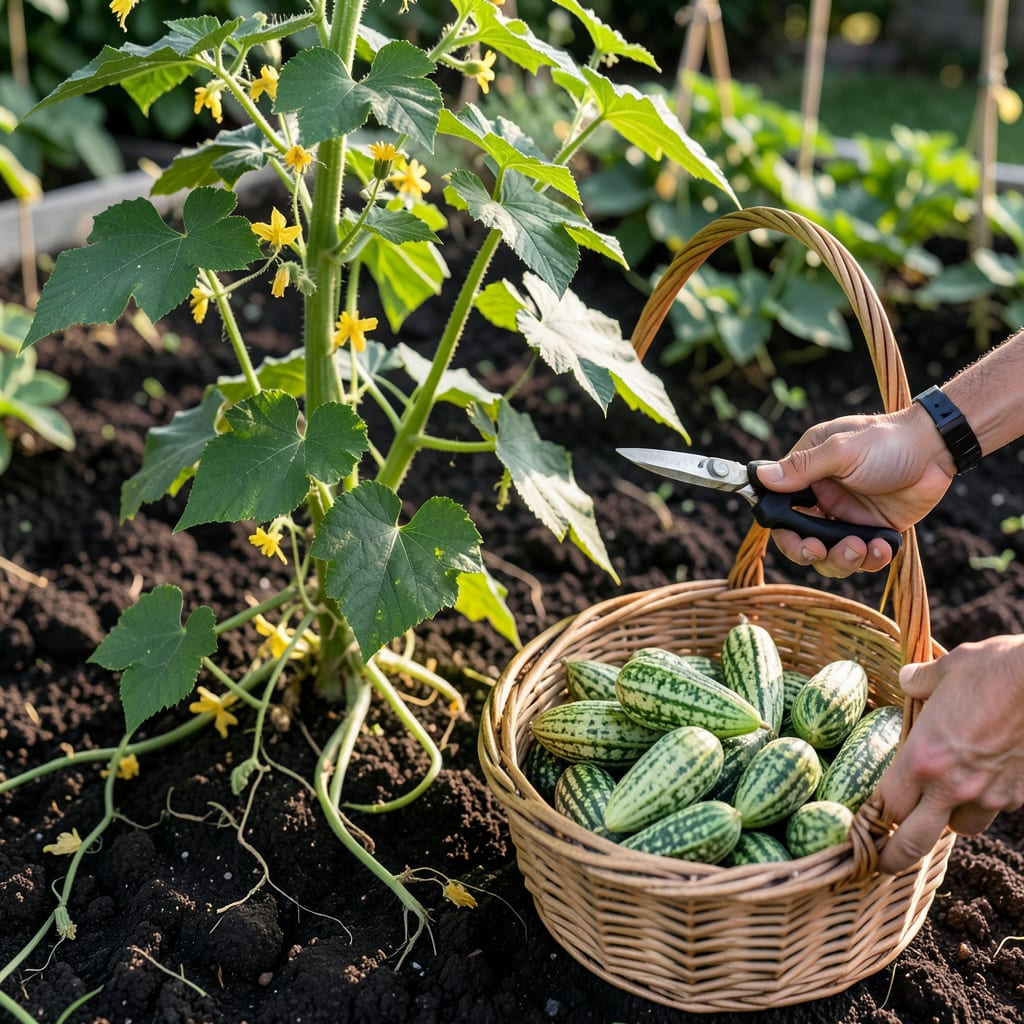
Knowing exactly when your 🥒 Cucamelon is ready makes all the difference. These tiny fruits hide their ripeness well, leaving many gardeners guessing.
I’ll show you the foolproof signs to look for so you can harvest at the perfect time. Discover how to spot that ideal moment for the best flavor.


I love how cucamelons surprise gardeners with their tiny, grape-like appearance. These Mexican sour gherkins are ready when they reach the perfect balance of size and texture. Timing your harvest right ensures the best flavor and prevents bitterness.
The most reliable sign is when the fruits turn olive green and develop a slightly translucent skin. They should feel firm but not hard, and the vine will often start to dry slightly at the attachment point.
| Harvest Sign | What to Look For |
|---|---|
| Size | 1 inch long, about grape-sized |
| Color | Olive green with slight translucency |
| Texture | Firm but tender, not rock hard |
| Attachment | Easily detaches from vine |
I check my cucamelon vines daily during peak season because they can go from perfect to overripe quickly. The papery skin is a dead giveaway they’re ready. If the fruit feels soft or the skin is fully opaque, it’s past its prime.
Another trick I use is the gentle squeeze test. Ripe cucamelons should give slightly under pressure, like a ripe grape. If they’re rock hard, they need more time. If they squish easily, they’re overripe and may have burst inside.
The vines themselves offer clues too. When cucamelons are nearing ripeness, the tendrils near the fruit start to brown and dry. This is nature’s way of telling you the fruit is mature and ready to separate from the plant.
I’ve found that morning harvesting works best. The fruits are at their crispest after a cool night, and the vines are less likely to be stressed from heat. Use sharp pruners or your fingernails to avoid damaging the plant.
Remember that cucamelons ripen unevenly on the vine. Don’t wait for all fruits to be ready at once. Pick the ripe ones and leave the others to mature. This also encourages the plant to produce more fruits throughout the season.
If you’re still unsure, try the taste test. Sample one fruit from different parts of the vine. Perfect cucamelons have a tangy, lemon-cucumber flavor that’s refreshing and crisp. Underripe ones will be bitter, while overripe ones lose their snap.
By paying attention to these visual and textural cues, you’ll never miss the perfect harvest window. Your cucamelons will be at their most flavorful and your plants will keep producing all season long. ☀️
I’ve learned the hard way that harvest timing is everything with cucamelons. Picking them too early means you’ll get bitter, underdeveloped fruits that lack that signature tangy crunch. The seeds inside won’t be fully formed either.
On the flip side, waiting too long leads to overripe cucamelons that turn mushy and may even burst open on the vine. Their flavor becomes bland, and the skin toughens, making them less enjoyable to eat fresh.
If you accidentally pick underripe cucamelons, try letting them sit at room temperature for a day or two. They won’t ripen like tomatoes, but the bitterness may mellow slightly. For overripe ones, the best use is in pickling or cooking.
I always check my vines daily during peak season to catch cucamelons at their prime. The window for perfect ripeness is short—often just 24-48 hours. Look for the olive-green color and papery skin as your cue.
Another sign of overripeness is when the fruit detaches too easily from the vine. At this point, it’s often past its peak. The ideal harvest is when the cucamelon comes off with a gentle tug but still holds some resistance.
By staying vigilant and harvesting frequently, you’ll encourage your plants to produce more fruits. I’ve found this approach extends my cucamelon season by several weeks, giving me a steady supply of these delicious little gems. 🌿
I’ve found that daily vine checks are essential for catching cucamelons at their peak. These little fruits can go from perfectly ripe to overripe in just 24-48 hours, so vigilance pays off.
The best time to harvest is in the early morning when the fruits are crisp and the vines are cool. I use sharp pruners or my fingernails to gently twist the cucamelons off the vine.
I always harvest selectively, picking only the ripe cucamelons and leaving others to mature. This approach keeps my plants producing throughout the season rather than all at once.
Another pro tip: wear gloves when harvesting. The vines can be prickly, and the fruits are small, making them easy to drop. I also bring a small basket to collect my haul without crushing the delicate fruits.
By following these simple techniques, you’ll maximize your cucamelon yield and enjoy the best flavor from every harvest. 🌱
Look for fruits that are about 1 inch long with olive-green, slightly translucent skin. The papery texture is a dead giveaway they’re ready to pick.
No, they ripen unevenly! Pick only the ready ones and leave others to mature. This actually encourages the plant to produce more throughout the season.
Underripe cucamelons will be bitter and hard, with underdeveloped seeds. Their tangy flavor won’t have developed yet.
Check daily in peak season. Perfect ripeness lasts just 24-48 hours, and they can turn overripe quickly.
