
Beautiful Plants For Your Interior
Beautiful Plants For Your Interior
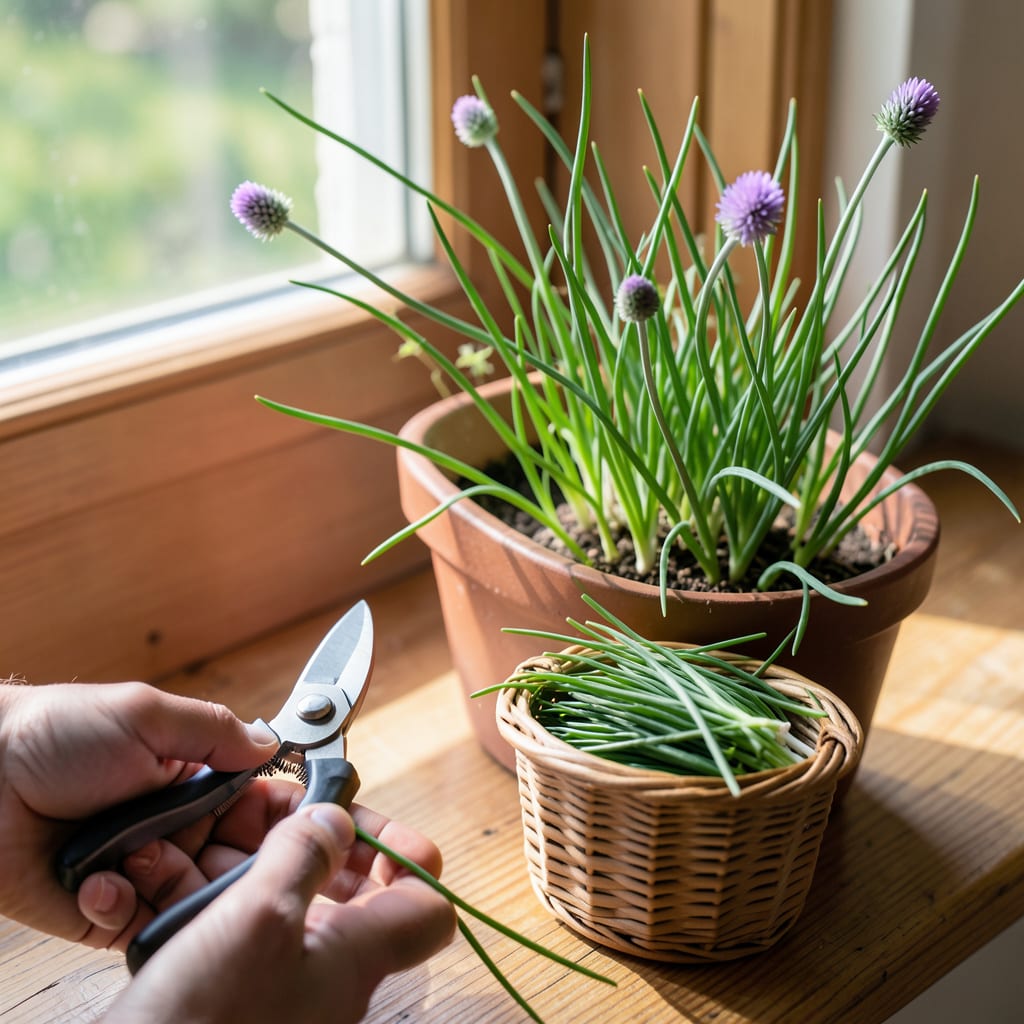
Timing your chive harvest can make or break your kitchen garden. With 🌱 Chives, the difference between bland and bursting-with-flavor often comes down to a few days of patience.
I’ll show you the simple visual cues that signal your plants are ready. No guesswork, just fresh picks every time.


I always check for 6-12 inch tall leaves as my first sign. At this height, chives have developed enough essential oils for that signature mild onion flavor we love.
Look for firm, upright stems that are deep green in color. Thin or floppy leaves usually mean the plant needs more time to mature and strengthen.
| Harvest Indicator | What to Look For |
|---|---|
| Height | 6-12 inches tall |
| Leaf Color | Deep green and vibrant |
| Stem Condition | Firm and upright |
| Plant Density | Bushy with multiple stems |
| Growth Stage | 60-90 days after planting |
A bushy appearance with multiple healthy stems signals your chives are thriving. Sparse plants with few stems typically aren’t ready for their first harvest yet.
I avoid picking when leaves are yellow or wilted. These are clear signs of stress or disease, not maturity. Healthy plants bounce back better after harvesting.
For first-year plants, I wait until they’ve established a strong root system. This usually means waiting until the plant is at least 8 inches tall with 20-30 stems.
Watch for flower buds appearing. While you can harvest before this stage, many gardeners prefer to wait until just before flowering for the peak flavor experience.
I’ve found that morning harvests yield the most flavorful chives. The essential oils are most concentrated after the dew dries but before the midday heat sets in.
Remember that overmature chives develop tougher leaves and may have a stronger, less pleasant flavor. Regular harvesting actually encourages new growth and more tender shoots.
In my experience, container-grown chives may mature slightly faster than those in garden beds. This is due to the controlled environment and often richer soil mix in pots.
Finally, always use clean, sharp scissors for harvesting. This prevents plant damage and ensures a clean cut that heals quickly for the next growth cycle. 🌿
I always use clean, sharp scissors or pruning shears for harvesting. This prevents jagged cuts that can invite disease or slow regrowth of your chives.
Cut 1-2 inches above the base to avoid damaging the growing crown. This allows the plant to recover quickly and produce new growth for future harvests.
I start by harvesting the outermost leaves first, leaving the inner growth to continue developing. This staggered approach ensures a steady supply throughout the season.
Never remove more than one-third of the plant at once. This can stress the chives and reduce future yields. Regular, light harvesting actually encourages bushier growth.
If your chives produce flowers, you can harvest these too. The edible blossoms add color to dishes, but removing them directs more energy to leaf production.
For container-grown chives, I find they need slightly more frequent harvesting. The confined space means they grow faster but can become overcrowded if not maintained properly.
🌱I’ve noticed that early morning harvests give the most flavorful chives. The essential oils peak after the dew dries but before the midday heat reduces their concentration.
For first-year plants, I wait until they’re well-established. This usually means 8-inch tall leaves with 20-30 stems before the first harvest to ensure strong regrowth.
🌱 Key Takeaway:
Harvest in the morning for best flavor. Avoid harvesting first-year plants too early to ensure a strong root system develops.
Established chives can be harvested more frequently. I find they recover faster and produce tender new growth within a week of proper harvesting.
If you see flower buds forming, you can harvest just before this stage for peak flavor. Removing flowers also encourages more leaf production rather than seed development.
For container-grown chives, the controlled environment may lead to faster maturity. However, they still benefit from the same morning harvest timing for optimal flavor.
Remember that seasonal changes affect growth. In cooler months, chives grow slower, so I adjust my harvesting frequency to match their growth rate. 🌿
Wait until leaves reach 6-12 inches tall. This height ensures the plant has developed enough essential oils for the best flavor and can recover well after cutting.
Yes, but wait until the plant is at least 8 inches tall with 20-30 stems. This ensures a strong root system for healthy regrowth after the first harvest.
Harvest in the early morning after dew dries but before midday heat. This is when essential oils are most concentrated, giving you the most flavorful leaves.
Overmature chives develop tougher leaves and may have a stronger, less pleasant flavor. Look for leaves that are still firm and upright rather than floppy or woody.
