
Beautiful Plants For Your Interior
Beautiful Plants For Your Interior
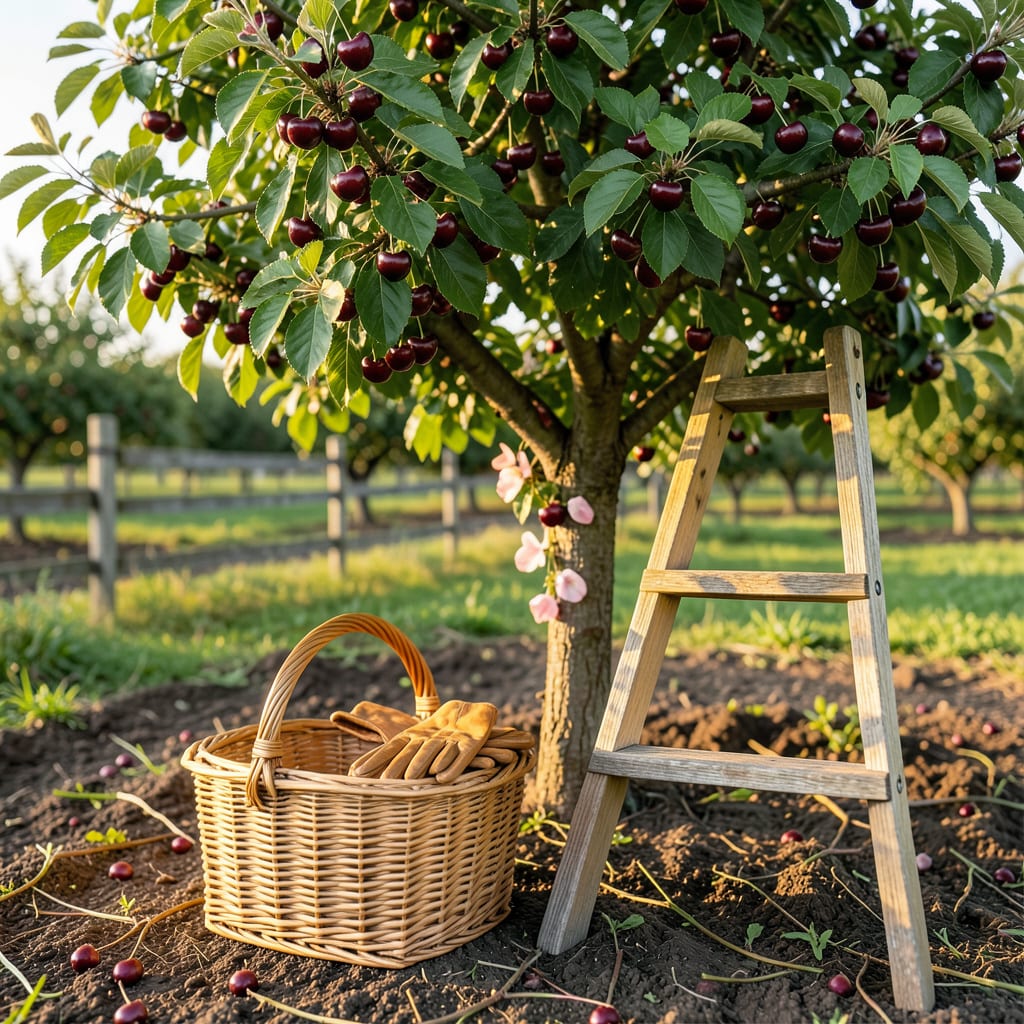
There’s nothing quite like the burst of flavor from a perfectly ripe cherry plucked straight from your tree—but timing is everything. Pick too soon, and you’ll get tart disappointment; wait too long, and birds or splits might beat you to the harvest.
After years of testing (and a few failed batches of pie), I’ve nailed the foolproof signs that tell you your 🍒 Cherry crop is ready. Whether you’re growing sweet Bings or tart Montmorencys, I’ll show you exactly what to look for—and when—to guarantee the juiciest, most flavorful harvest of the season.


After months of watching your cherry tree blossom and fruit, the big moment is finally here—but how do you know they’re truly ready? Unlike store-bought cherries, homegrown ones won’t ripen further once picked, so timing is critical. I’ve learned the hard way that looks alone can deceive you.
The secret lies in a combination of color, texture, and ease of separation from the stem. Even within the same tree, cherries may ripen at slightly different rates, so I always test multiple fruits before committing to a full harvest. Let’s break down the foolproof signs I rely on every season.
Pro Tip: Test a few cherries from different branches—sun-exposed fruit ripens faster than shaded clusters!
One mistake I see gardeners make is assuming all cherries on a tree ripen simultaneously. In reality, the top and outer branches often mature 1–2 days earlier than inner, shaded fruit. I start checking the sunniest spots first, then work my way inward over a few days.
For tart cherries (like Montmorency), color is your best guide—they’ll turn a vibrant red when ready, but they won’t soften as much as sweet varieties. Sweet cherries (Bing, Rainier), however, should feel plump and slightly springy when gently pressed between your fingers.
If you’re still unsure, do a taste test—but be strategic! Pick one cherry from a sunny branch and another from a shaded spot. Ripe cherries should taste balanced in sweetness and acidity, with no harsh tartness. Underripe fruit will pucker your mouth, while overripe ones may taste fermented.
Remember, birds and squirrels are watching too! Once your cherries hit that perfect glossy red, they’ll start eyeing your harvest. I use netting or reflective tape to deter pests while I wait for the last few clusters to ripen. A little patience here prevents a lot of disappointment later.
Finally, pay attention to the stems and leaves near the fruit. If the stems are turning brown or the leaves look wilted, your cherries might be overripe—act fast! Overripe fruit attracts fruit flies and wasps, and the skin becomes prone to splitting after rain.
Once you’ve confirmed ripeness, harvest in the early morning when temperatures are cool. This keeps the fruit firm and extends shelf life. Use a gentle twisting motion to avoid tearing the spur (the small branch where cherries grow), which ensures next year’s crop. Now, grab your basket—it’s time to enjoy the sweet rewards of your patience! 🪴
Still nervous about timing? Keep a harvest journal each year noting when your tree first blooms and when the fruit ripens. Over time, you’ll spot patterns that make predicting the perfect pick date even easier. Trust me, nothing beats that first bite of a sun-warmed, perfectly ripe cherry from your own tree! ☀️
Timing your cherry harvest starts long before the fruit ripens—it begins with knowing your variety’s natural schedule. Sweet cherries like Bing typically ripen in early to mid-summer, while tart types (Montmorency) often follow a week or two later. Climate plays a huge role too!
In my Zone 6 garden, Bing cherries usually peak in late June, but I’ve seen them ripen as early as mid-May in warmer Zone 8 areas. Cool springs can delay harvest by 7–10 days, so I always watch the tree—not just the calendar. Let’s break down the timelines for popular varieties.
| Variety | Type | Typical Harvest Window | Climate Notes |
|---|---|---|---|
| Bing | Sweet | Late June – Early July | Cooler zones: +1 week delay |
| Rainier | Sweet | Early July | Needs heat to sweeten fully |
| Montmorency | Tart | Mid-July | Ripens uniformly; watch for birds! |
| Stella | Sweet | Late June | Early bloomer; frost-sensitive |
Note: Add 1 week for cooler zones (5–6) or subtract 5 days for hot zones (8–9).
Even within the same tree, cherries ripen at different rates. The sunniest branches (south-facing) often mature 2–3 days earlier than shaded areas. I make it a habit to check multiple spots daily once the first fruits start coloring up. A quick twist test tells me everything!
For early-season varieties like Stella, watch for rapid color change—they can go from pale to deep red in just 48 hours during warm spells. Late-season types (Montmorency) hold on the tree longer, giving you a slightly wider harvest window. Pro tip: Net your tree as soon as color appears to outsmart hungry birds.
If you’re growing multiple varieties, stagger your checks. I plant early, mid, and late types to extend my harvest over 4–6 weeks. This also helps avoid gluts—nothing worse than 20 lbs of cherries ripening all at once! Keep notes each year; you’ll start noticing patterns tied to spring temperatures and rainfall.
Remember, rain before harvest can cause splitting in ripe fruit. If heavy rain is forecast, I pick cherries slightly early and let them finish ripening indoors at room temperature. They won’t get sweeter, but they’ll soften a bit. Overripe cherries left on the tree attract wasps and fruit flies, so act fast once they’re ready! 🌧️
Timing your cherry harvest isn’t just about flavor—it affects texture, storage life, and even next year’s crop. I’ve ruined batches by picking too soon (bitter disappointment!) and lost fruit by waiting too long (hello, wasp buffet). Let me save you from my mistakes by breaking down the real consequences.
Picking underripe cherries is the most common error. They’ll be hard as marbles, with a tartness that makes your cheeks pucker. Worse, they won’t ripen further off the tree—what you pick is what you get. I once harvested a whole bucket too early, thinking they’d sweeten indoors. Spoiler: They didn’t. 🌱
Quick Fix: Slightly underripe cherries? Toss with ripe bananas in a paper bag for 24 hours to soften (but they won’t sweeten).
On the flip side, overripe cherries turn into a magnet for problems. Their skins become thin and prone to splitting after rain, creating entry points for fruit flies. I lost half a crop one year when I waited “just one more day”—by then, wasps had claimed my cherries as their personal buffet.
The sweet spot is when cherries are fully colored but still firm. At this stage, they’ll keep in the fridge for 5–7 days and freeze beautifully. Wait until they’re ultra-soft, and you’ll be racing to use them before they spoil. I aim to harvest when about 80% are ripe, then let the rest finish in a cool spot.
Here’s my hard-earned pro tip: Check your tree daily once the first cherries start coloring. Use the twist test on a few fruits from different branches. If they resist, wait. If they come off too easily, you’re already late. And always harvest in the early morning—cool temps keep fruit firmer longer. Your future self (and your taste buds) will thank you! ✂️
Look for deep, uniform color—no green patches—and a glossy shine on the skin. Gently press a few; ripe cherries yield slightly like a ripe grape. Give one a gentle twist—if it detaches easily, they’re ready!
Sun exposure makes a big difference! South-facing branches often ripen 2–3 days earlier than shaded areas. Even within the same variety, fruit on the tree’s outer edges matures faster than inner clusters.
You can, but early morning is ideal. Cool temps keep fruit firmer for storage. If you must harvest later, do it in the late afternoon and refrigerate immediately to preserve freshness.
Don’t wash them first! Store unwashed cherries in a shallow container in the fridge. They’ll keep for 5–7 days. For longer storage, freeze on a tray before bagging to prevent clumping.
Cover your tree with fine mesh netting as soon as fruit starts coloring. Reflective tape or old CDs hung from branches can also deter birds. Check nets daily to avoid trapping birds or squirrels accidentally.
