
Beautiful Plants For Your Interior
Beautiful Plants For Your Interior
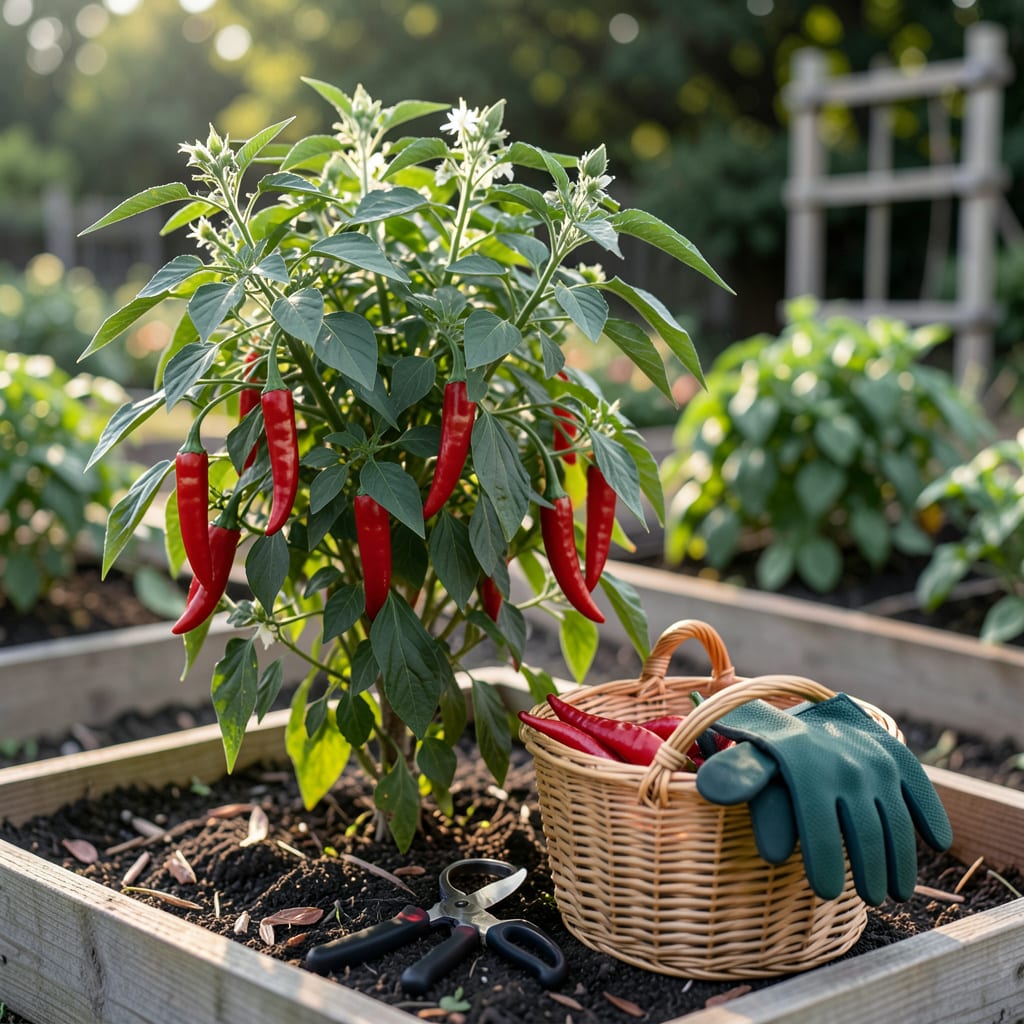
There’s nothing worse than waiting months for your 🌶️ Cayenne Peppers to ripen—only to pick them too soon and miss that signature fiery kick. One day they’re stubbornly green, the next they’re bursting with heat and color. But how do you know the perfect moment to harvest?
I’ve learned the hard way that timing isn’t just about patience—it’s about reading the subtle signs your peppers give you. From their vibrant red glow to the way they snap off the stem, I’ll show you exactly what to look for. No more guessing games, just foolproof results every time.


Knowing exactly when to pick your cayenne peppers can feel like solving a puzzle. I’ve stood in my garden countless times, staring at peppers that look ready but aren’t quite there yet. The secret? Paying attention to five foolproof signs that tell you it’s go time.
First, forget the calendar—your peppers won’t ripen on a schedule. Instead, watch for visual and tactile cues that signal peak ripeness. From color shifts to stem snap tests, these indicators ensure you harvest at the perfect moment for flavor and heat.
⚠️ Climate note: Hotter regions may see red peppers in 60 days; cooler zones can take up to 90 days.
Here’s a trick I swear by: the thumbnail test. Press your thumbnail into the pepper’s skin. If it leaves a slight indentation that bounces back, you’re in the sweet spot. No give? It’s underripe. Too soft? Overripe. This works better than color alone!
If you’re growing cayennes for drying or seed saving, let them stay on the plant until they’re deep red with slight wrinkles. This concentrates sugars and capsaicin, giving you that intense, smoky heat cayennes are famous for. For fresh eating, harvest when red but still firm.
Watch the weather too! A sudden heatwave can speed up ripening, while cool spells slow it down. I once had peppers stall at orange for weeks until temperatures climbed. Patience pays off—rushing leads to bland, underdeveloped flavors.
Ever noticed peppers ripening unevenly? That’s normal! Lower pods often mature first because they get more sunlight. Harvest those first, then wait for the upper ones. If frost threatens, pick all peppers—even green ones—and ripen them indoors in a paper bag.
Don’t forget the snap test for stems. A clean break means the pepper is ready to pick without damaging the plant. Twisting or pulling can tear branches, reducing future yields. I use small pruners for a clean cut, leaving a short stem attached.
Green cayennes can be harvested early, but their flavor is milder and grassier. If you love heat, wait for red. The difference is stunning—like comparing a spark to a bonfire! For seed saving, only fully ripe peppers will give you viable seeds for next season.
Finally, check your peppers every 2–3 days once they start changing color. Cayennes can go from “almost ready” to overripe surprisingly fast, especially in hot weather. I set phone reminders to inspect my plants—it’s saved many a pepper from becoming mushy!
Remember, size trumps color for heat. A fully grown green pepper can be hotter than a small red one. For maximum spice, wait until pods reach 2–3 inches and feel heavy for their size. That’s your guarantee of bold, fiery flavor. 🌶️
If you’re wondering when your cayenne peppers will be ready, the timeline starts from the moment those tiny white flowers appear. Most varieties take 70–90 days from transplanting to full maturity, but your climate plays a huge role. In hotter zones, you might see ripe peppers in as little as 60 days!
Tracking growth stages is key. After flowering, small green pods form—these are your future peppers. They’ll grow rapidly in warm weather, but don’t rush! The real magic happens in the final 2–3 weeks, when color shifts from green to fiery red. That’s when flavor and heat peak.
| Stage | Days | What to Look For |
|---|---|---|
| Flowering | 30–40 | White blossoms appear; pollination begins |
| Green Pods | 45–60 | Small, firm, and fully green—still immature |
| Color Change | 60–75 | Pods turn yellow/orange; heat develops |
| Full Ripeness | 75–90 | Bright red, glossy, and 2–3 inches long |
*Timing varies by climate—warmer regions may see faster maturity.
Here’s the kicker: you can harvest peppers at any stage, but flavor changes dramatically. Green cayennes are milder and grassier, perfect for pickling. Wait for red, and you’ll get that bold, smoky heat cayennes are famous for. I always leave a few to fully ripen for seed saving—they’re sweeter and easier to dry.
Pro tip: If frost threatens before peppers ripen, pull the whole plant and hang it upside down indoors. The peppers will continue to ripen off the vine! Just keep them in a warm, dry spot away from direct sun. This trick saved my harvest last season when an early cold snap hit.
Remember, size matters more than color for heat. A fully grown green pepper can be hotter than a small red one! For maximum spice, wait until pods reach 2–3 inches and feel firm. That’s when the capsaicin levels (the compound that brings the heat) are at their peak.
If you’re growing cayennes for drying, let them stay on the plant until they’re deep red and slightly wrinkled. This concentrates flavors and makes them easier to string or dehydrate. Just watch for overripening—mushy peppers won’t store well. When in doubt, do the snap test: a ripe stem breaks cleanly with a gentle twist.
Even experienced gardeners can sabotage their cayenne pepper harvest with simple oversights. I’ve made my share of mistakes—like waiting too long only to find mushy, overripe peppers or picking too early and missing that signature heat. The good news? These pitfalls are easy to avoid once you know what to watch for.
One of the biggest errors I see is ignoring the weather’s role in ripening. A sudden rainstorm can cause peppers to split, while a heatwave might speed up ripening faster than you expect. Timing your harvest around these factors can mean the difference between perfect peppers and a disappointing batch.
💡 Pro tip: If frost threatens, harvest all peppers—even green ones. They’ll ripen indoors in a paper bag with an apple (the ethylene gas speeds it up!).
Another common issue is assuming all peppers ripen at the same rate. In reality, lower pods often mature faster because they get more sunlight. I’ve learned to harvest these first, then give the upper peppers more time. This staggered approach ensures I don’t miss the prime window for any of them.
Here’s a trick that saved my harvest last year: if you notice peppers turning orange or red but the weather forecast calls for rain, pick them early. Rain can cause peppers to absorb excess water, diluting their flavor and making them prone to splitting. I lost half a crop once by waiting—now I err on the side of caution.
Don’t overlook post-harvest handling either. Cayennes bruise easily, so I place them gently in a shallow basket—never piled high. If you’re drying them, spread peppers in a single layer on a screen in a well-ventilated area. Avoid direct sunlight, which can bleach their color and degrade flavor.
Finally, remember that green cayennes can still be used—they’re just milder. If you accidentally pick early, don’t toss them! They’re great for pickling or fresh dishes where you want less heat. But for that classic cayenne kick, patience is key. Wait for the deep red color and firm texture, and you’ll be rewarded with bold, fiery flavor. 🌶️
Yes, but they’ll be milder and grassier in flavor. Green cayennes are perfect for pickling or dishes where you want less heat. For that classic fiery kick, wait until they turn bright red and reach 2-3 inches in length.
Overripe peppers become mushy and lose their crisp texture. They may also develop soft spots or start to wrinkle excessively. Check your plants every 2-3 days once they start ripening to catch them at their peak.
For drying, wait until peppers are deep red with slight wrinkling near the stem. This indicates maximum sugar and capsaicin concentration. They should feel firm but give slightly when squeezed, ensuring they’ll dry evenly without spoiling.
Yes! Place green or partially red peppers in a paper bag with an apple at room temperature. The ethylene gas from the apple speeds up ripening. Check daily—they’ll turn fully red within 3-5 days in most cases.
Use clean pruners or sharp scissors to snip stems, leaving a short stub. Never twist or pull peppers—this can tear branches and reduce future yields. Harvest in the morning when plants are well-hydrated for best results.
