
Beautiful Plants For Your Interior
Beautiful Plants For Your Interior
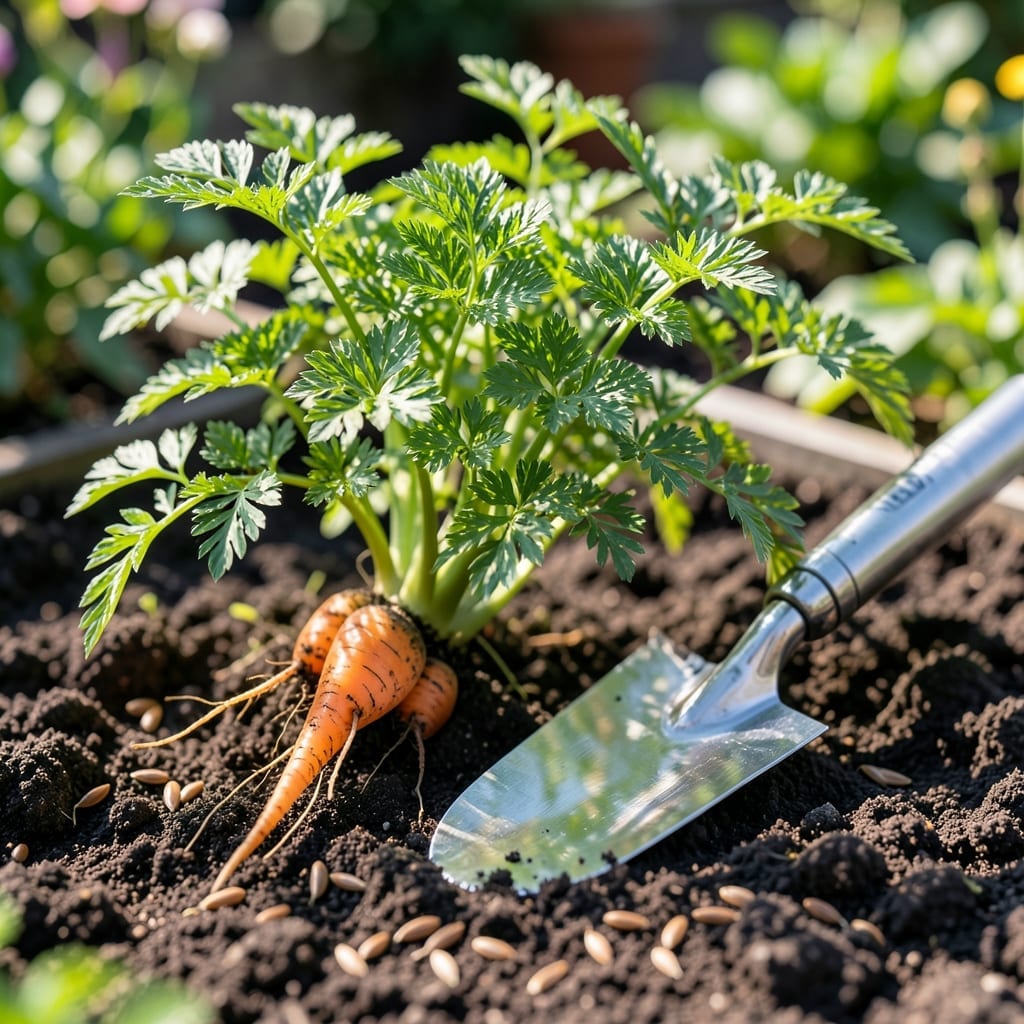
Timing is everything when growing Carrot 🥕. Plant too early or late, and you risk a disappointing harvest of small, bitter roots instead of the sweet, crisp ones you dream about.
In Zone 6, the sweet spot is March to May, when the soil becomes workable and temperatures are just right. But there’s more to it than just picking a date.
I’ll walk you through the seasonal cues and preparation steps that make all the difference. Let’s discover how to get your timing perfect for a bountiful crop.
Timing your carrot planting perfectly ensures a sweet harvest. In most regions, spring planting begins 2-4 weeks before the last frost when soil is workable. This timing avoids frost damage while giving seeds a head start.
For fall crops, plant 10-12 weeks before the first frost. This allows carrots to mature before cold weather hits. Cooler temperatures actually enhance their sweetness!
| Zone | Spring Planting | Fall Planting |
|---|---|---|
| 2-3 | April-May | July-August |
| 4-5 | March-April | August-September |
| 6-7 | March-May | July-September |
| 8-9 | February-March | September-October |
In Zone 6, I recommend March to May for spring planting. The soil temperature should be at least 40°F for germination. 45-85°F is ideal for growth, so aim for this range.
For warmer zones like 8-9, you can plant as early as February. The key is avoiding extreme heat, which can cause bitter carrots. In these areas, fall planting is often more successful.
Northern gardeners in zones 2-3 should wait until April or May when the soil warms. Cold soil slows germination and can lead to poor growth. Using row covers can help warm the soil faster.
Remember that carrots prefer cool weather. In hot climates, shade cloth can protect plants during peak heat. Consistent moisture is crucial, especially during germination.
For succession planting, sow new seeds every 2-3 weeks until midsummer. This ensures a continuous harvest rather than one large crop. Thin seedlings to 2 inches apart for best results.
In container gardens, timing remains similar, but watch for soil drying out faster. Deep containers are essential for proper root development. 12 inches deep is the minimum I recommend.
By following these zone-specific guidelines, you’ll maximize your chances of a successful carrot crop. Happy planting! 🌱
Getting your soil ready is the first step to successful carrot growth. Carrots need loose, well-draining soil to grow straight and long. I always start by removing rocks and debris that could obstruct root development.
Deep tilling is essential—aim for 12 inches deep to accommodate the roots. Mix in compost or aged manure to improve soil structure. Avoid fresh manure, as it can cause forked roots.
When planting seeds, sow them ¼ inch deep and 2 inches apart in rows spaced 12-18 inches apart. Carrot seeds are tiny, so I find it helpful to mix them with sand or radish seeds for even distribution.
Keep the soil moist but not soggy during germination, which takes 14-21 days. A light mulch can help retain moisture. Once seedlings emerge, thin them to 2-3 inches apart to prevent overcrowding.
For best results, plant in full sun where carrots get 6+ hours of direct light daily. In hot climates, afternoon shade can prevent bolting. I also recommend succession planting every 2-3 weeks for a continuous harvest.
Remember that carrots dislike transplanting, so direct sowing is best. If you must start indoors, use peat pots that can be planted directly into the soil to avoid disturbing the roots.
With these preparation steps, you’ll create the ideal conditions for strong, healthy carrots to thrive. Happy gardening! 🌱