
Beautiful Plants For Your Interior
Beautiful Plants For Your Interior
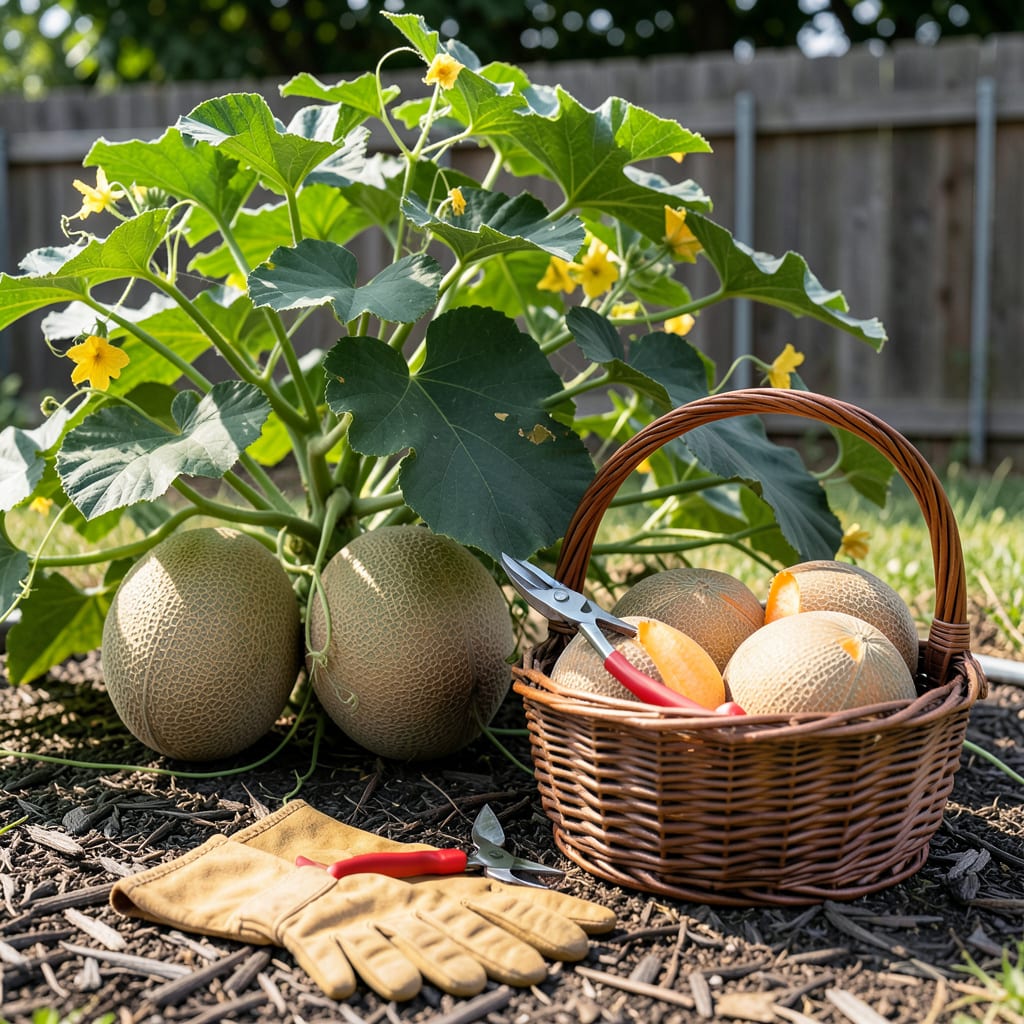
There’s nothing quite like biting into a perfectly ripe cantaloupe—sweet, juicy, and bursting with flavor. But here’s the catch: picking it too soon or too late can ruin that experience entirely. I’ve been there, standing in the garden wondering if my 🍈 is ready, only to cut into a disappointing, underripe melon.
The good news? Your cantaloupe actually tells you when it’s ready to be picked—if you know what to look for. From subtle color shifts to the famous “stem slip,” I’ll show you the 5 foolproof signs that guarantee you’ll harvest at peak ripeness every single time.


After years of growing cantaloupes, I’ve learned that timing is everything. These melons won’t continue ripening after picking like some fruits, so you’ve got to get it right the first time. The good news is your cantaloupe plant gives you five clear signals when it’s harvest time. 🌱
First, let’s talk about what happens if you ignore these signs. An unripe cantaloupe will be hard and tasteless, while an overripe one becomes mushy and attracts pests. The sweet spot is when all these indicators align – that’s when you’ll get that perfect balance of sweetness and texture we all crave.
| Ripeness Sign | What to Look For | Why It Matters |
|---|---|---|
| Stem Slip | Fruit detaches easily with gentle twist | Natural abscission layer forms when ripe |
| Color Change | Rind turns from green to creamy yellow | Chlorophyll breaks down as sugars develop |
| Netting Texture | Rough, raised webbing pattern | Cell walls expand creating texture |
| Sweet Aroma | Strong musky-sweet smell at blossom end | Volatile compounds peak at ripeness |
| Hollow Sound | Deep thud when tapped | Seeds loosen as fruit matures |
The stem slip is my favorite indicator because it’s so definitive. When a cantaloupe is truly ripe, it will separate from the vine with just a slight twist – this is called the “full slip” stage. If you have to pull or cut the stem, it’s not quite ready. I check this first thing in the morning when the plant is well-hydrated. ☀️
Next comes the color transformation. Watch as your cantaloupe changes from solid green to a yellowish-beige between the netting. This color shift happens from the blossom end upward. In my garden, I’ve noticed this change happens quickly – sometimes overnight – so daily checks are crucial as harvest time approaches.
The netting pattern becomes more pronounced as the fruit ripens. Run your fingers over the rind – when ready, it should feel rough and slightly raised. Unripe cantaloupes have smooth skin. This texture change occurs because the fruit expands, making the netting more prominent. 🪴
Don’t underestimate the power of smell. A ripe cantaloupe will have a sweet, musky aroma that’s strongest at the blossom end (opposite the stem). If you can’t smell anything, it needs more time. I’ve found that the fragrance is most noticeable in the early morning after the dew has dried.
Finally, the sound test is surprisingly accurate. Give the melon a gentle tap with your knuckles. A ripe one will produce a deep, hollow sound, while an unripe one sounds more solid. This happens because the seeds loosen inside as the fruit matures, creating that characteristic echo.
Remember that these signs work together. I never rely on just one indicator. For example, if the color looks right but the stem doesn’t slip, I’ll check the aroma and sound before making my final decision. When all five signs align, that’s your green light to harvest the sweetest, juiciest cantaloupe you’ve ever tasted. ✂️
Now that you know the 5 key signs of ripeness, let’s dive into the hands-on techniques I use to confirm my cantaloupes are perfectly ready. These pro gardener tricks go beyond just looking—they engage your senses of touch, smell, and even sound to guarantee sweetness.
The thumb test is my go-to first check. Gently press the blossom end (opposite the stem) with your thumb. A ripe cantaloupe will yield slightly, like a well-ripened avocado, while an unripe one stays rock-hard. This simple test reveals the fruit’s internal softening process. 🌱
I always combine at least two of these tests for accuracy. For example, if the stem slips but the color isn’t quite right, I’ll do the sniff test to confirm. Remember that morning harvesting yields the best flavor, as the fruit’s sugar content peaks after cool nights.
The tap technique often surprises beginners, but it’s incredibly reliable. When you tap an unripe cantaloupe, it sounds solid and dense. As it ripens, the seeds loosen inside, creating that characteristic hollow echo. I practice on store-bought melons first to train my ear for the perfect pitch. 🪴
For tricky cases where signs are mixed, I recommend the 24-hour rule. If most signs point to ripe but you’re unsure, wait one more day and retest. Cantaloupes ripen quickly in warm weather, so this short wait prevents premature picking without risking overripeness.
Finally, trust your instincts. After testing a few melons, you’ll develop a feel for that perfect moment when the fruit practically asks to be picked. That’s when you’ll experience the unmatched joy of biting into a cantaloupe that’s sweeter than anything from the grocery store. ✂️
Timing your cantaloupe harvest is like walking a tightrope—pick too soon or too late, and you’ll miss that perfect sweetness. I’ve made both mistakes in my garden, and let me tell you, the difference is dramatic. Understanding what happens at each stage helps you avoid these common pitfalls. 🌱
When you harvest too early, the cantaloupe remains hard and starchy. Unlike some fruits, cantaloupes won’t ripen further once picked. The sugars haven’t fully developed, leaving you with a bland, crunchy disappointment. I once picked a batch thinking they’d ripen indoors—big mistake! They stayed rock-hard for days.
On the flip side, waiting too long creates its own problems. Overripe cantaloupes become mushy and develop a fermented taste. The flesh turns mealy, and the sugars start breaking down. Worse yet, they attract pests like fruit flies and squirrels who can smell the overripeness from afar. I lost an entire crop one year by waiting just two days too long! 🪴
There is one small silver lining for slightly early picks. If you catch it just 1-2 days premature, you can try the paper bag trick. Place the cantaloupe in a paper bag with a ripe banana at room temperature. The ethylene gas from the banana might help soften it slightly, though it won’t develop full sweetness.
For overripe melons, your best bet is immediate use. Cut them up and freeze the flesh for smoothies, or compost them to return nutrients to your garden. Remember that hot weather accelerates ripening—what looks perfect today might be overripe tomorrow. That’s why I make it a habit to check my cantaloupes daily once they start showing color. ✂️
The key is consistent monitoring as harvest time approaches. I keep a garden journal noting when each melon first shows color, then check daily for the full complement of ripeness signs. This disciplined approach has dramatically reduced my harvesting mistakes and maximized my sweet, juicy yields season after season.
Start checking daily once the rind begins changing from green to yellow-beige. The final ripening stage happens quickly—sometimes in just 24-48 hours. Morning checks are best when the fruit is cool and firm.
Pick in the early morning when temperatures are cool and sugar content is highest. Avoid midday heat which can cause the fruit to soften prematurely. Use clean pruners or twist gently at the stem slip point.
Unlike some fruits, cantaloupes won’t ripen further once picked. The sweetness and texture you get at harvest is what you’re stuck with. A paper bag with a banana might soften it slightly but won’t improve flavor.
This common scenario means it’s almost ready but needs 1-2 more days. The aroma develops first, followed by stem slip. Check again tomorrow—hot weather can speed up this final stage.
At room temperature, enjoy within 2-3 days for peak flavor. Refrigerated, they’ll keep 5-7 days in a sealed container. Cut melons should be eaten within 3 days for best quality.
