
Beautiful Plants For Your Interior
Beautiful Plants For Your Interior
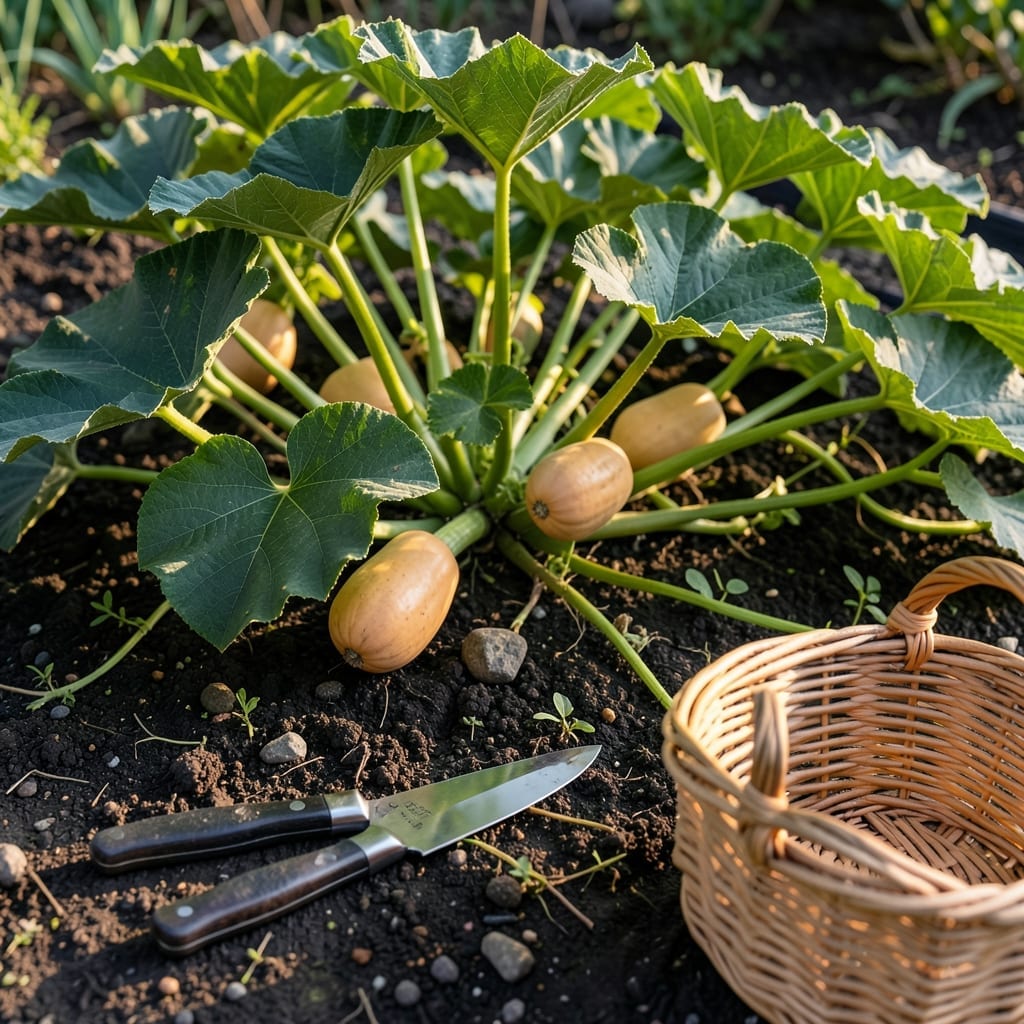
There’s nothing quite like the rich, nutty flavor of Butternut Squash 🎃 at its peak. Knowing the right time to plant and harvest ensures you get the best taste and texture from your crop.
In most regions, including USDA Zone 6, the planting window is May – June, with harvest typically falling between September and October. Timing is everything for this hearty vegetable.
I’ll walk you through the seasonal nuances and key signs to look for, so you can grow and pick your Butternut Squash like a pro. Let’s dig in.
The butternut squash season varies significantly across the US, with USDA hardiness zones playing a key role. In warmer regions like Zones 7-10, planting can start as early as March or April, while cooler zones may need to wait until late spring.
For most gardeners, the ideal planting window is May to June, ensuring the soil has warmed to at least 60°F. This sets the stage for a harvest season that typically spans from September to October, just before the first frost.
| Region | Planting Time | Harvest Window |
|---|---|---|
| Zones 3-4 | Late May – June | September – Early October |
| Zones 5-6 | May – Early June | September – October |
| Zones 7-8 | March – April | August – October |
| Zones 9-10 | February – March | July – September |
In cooler climates like Zones 3-4, the growing season is shorter, so gardeners often start seeds indoors 2-3 weeks before the last frost. This gives the plants a head start before transplanting them outdoors.
For Zones 5-6, which include much of the Midwest and Northeast, the butternut squash season aligns well with the traditional spring planting and fall harvest schedule. The frost-free period here is usually long enough for a full growing cycle.
Gardeners in Zones 7-8 enjoy a longer season, allowing for successive plantings. You can start seeds in early spring and even plant a second crop in mid-summer for a late fall harvest.
In the warmest regions, Zones 9-10, butternut squash can be grown almost year-round. However, avoid the hottest summer months, as extreme heat can stress the plants and affect fruit development.
No matter your zone, always monitor soil temperature and weather conditions. Butternut squash thrives in well-draining soil with plenty of organic matter. I recommend using a soil thermometer to ensure optimal conditions before planting.
Remember, the harvest timing is just as crucial as planting. Butternut squash typically takes 75-110 days to mature, so plan accordingly to avoid early frosts that can damage the crop.
By understanding your region’s growing windows and climate patterns, you can maximize your butternut squash yield and enjoy a bountiful harvest each season. 🌱
Timing your butternut squash harvest perfectly ensures the best flavor and storage life. I look for visual and tactile cues rather than just counting days from planting. The rind color is your first big clue—it should turn a deep, uniform tan when ripe.
A hard rind that resists pressure from your thumbnail is another sure sign. If your nail leaves a mark, the squash needs more time. The stem also changes, becoming dry and woody as the squash matures.
The vine condition is another indicator. As the squash nears maturity, the vine will dry out and turn brown. This doesn’t mean the plant is dead—it’s just redirecting energy to the fruit.
I always perform the thumbnail test on a few squash if I’m unsure. Gently press your thumbnail into the rind. If it doesn’t leave a mark, it’s ready. If it punctures easily, give it another week or two.
Another trick is the sound test. Tap the squash lightly with your knuckles. A ripe butternut squash will produce a hollow sound, while an unripe one will sound dull.
Remember, it’s better to harvest slightly late than too early. Butternut squash continues to ripen off the vine, but only if it’s already started the process. Once picked, store in a cool, dry place to complete ripening if needed. 🌱