
Beautiful Plants For Your Interior
Beautiful Plants For Your Interior
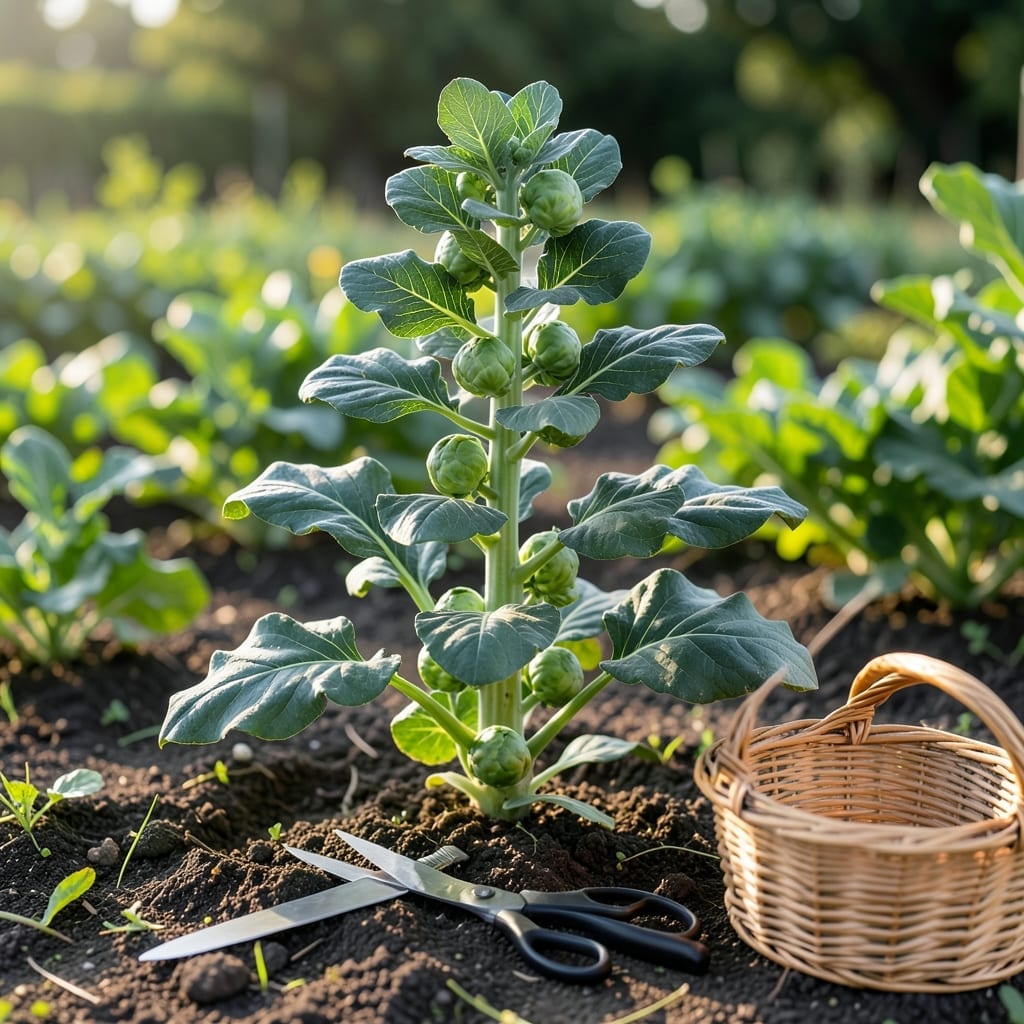
Knowing exactly when to harvest Brussels Sprouts 🥬 can mean the difference between bitter, underdeveloped sprouts and sweet, tender ones. Timing is everything with this cool-season crop.
I’ve learned that waiting for that perfect moment transforms your harvest. These plants thrive in USDA Zone 6, and their flavor actually improves after a light frost.
You’ll want to watch for sprouts that are 1-2 inches in diameter and feel firm to the touch. The lower sprouts mature first, so you can start harvesting from the bottom up.
Discover how to spot the subtle signs that your Brussels Sprouts are ready, and learn the simple techniques that will give you the best yield from your plants.


I always get excited when my Brussels sprouts start showing signs they’re ready. The first thing I check is sprout size—they should be about 1-2 inches in diameter. Anything smaller and they’re not quite there yet.
Another telltale sign is firmness. Gently squeeze the sprouts—they should feel tight and solid, not soft or mushy. This firmness indicates they’ve developed their characteristic sweet flavor and crisp texture.
| Sign | What to Look For |
|---|---|
| Size | 1-2 inches diameter |
| Firmness | Hard and tight |
| Color | Deep green or purple |
| Maturation | Starts from bottom up |
The color is another important indicator. Ready sprouts should be a deep green or have a slight purple tint, depending on the variety. Pale or yellowish sprouts aren’t ready yet.
I’ve noticed that Brussels sprouts mature from the bottom up. The lower sprouts on the stalk will be ready first, so I start checking those about 90-120 days after planting. This staggered ripening means you can harvest over several weeks.
Don’t ignore the leaves either. When the lower leaves begin to yellow and drop, it’s often a sign that the sprouts are nearing maturity. This is nature’s way of telling you the plant is focusing its energy on the sprouts.
A light frost can actually improve the flavor, making the sprouts sweeter. In my experience, a touch of cold weather brings out the best in these cool-season vegetables. Just be sure to harvest before a hard freeze.
To check for readiness, I twist a sprout gently. If it comes off the stalk easily, it’s ready. If it resists, I leave it for another week or so. This simple test prevents harvesting too early.
Remember that consistent size matters more than exact measurements. All your sprouts won’t be identical, but they should be uniformly firm and colored when they’re ready.
Finally, trust your gardening instincts. After a few seasons, you’ll recognize the signs instantly. There’s nothing quite like the satisfaction of picking perfectly timed Brussels sprouts from your own garden. ✂️
Timing your brussels sprout harvest perfectly depends on your climate zone and season. These cool-season crops typically reach maturity in 90-120 days, with the sweetest flavor developing after a light frost.
In USDA zones 6-8, expect to harvest from late September through November. Cooler zones may see a shorter window, while warmer areas can extend into early winter.
I always watch for firm 1-2 inch sprouts at the base of the plant first, as these mature earliest. The lower sprouts develop before the upper ones, so check daily once they reach size.
In my experience, morning harvesting works best when temperatures are cool. This helps maintain the crisp texture and prevents wilting. Use clean, sharp pruning shears to avoid damaging the plant.
For warmer climates, you may need to plant in early fall for a winter harvest. The sprouts will develop more slowly but can handle light frosts that improve their flavor.
Remember that consistent moisture during growth leads to the best harvest. I water my plants 1-2 inches weekly, tapering off as harvest time approaches to concentrate the sugars in the sprouts.
Don’t rush your harvest – patience pays off with brussels sprouts. The extra week or two can make a significant difference in both size and flavor ☀️