
Beautiful Plants For Your Interior
Beautiful Plants For Your Interior
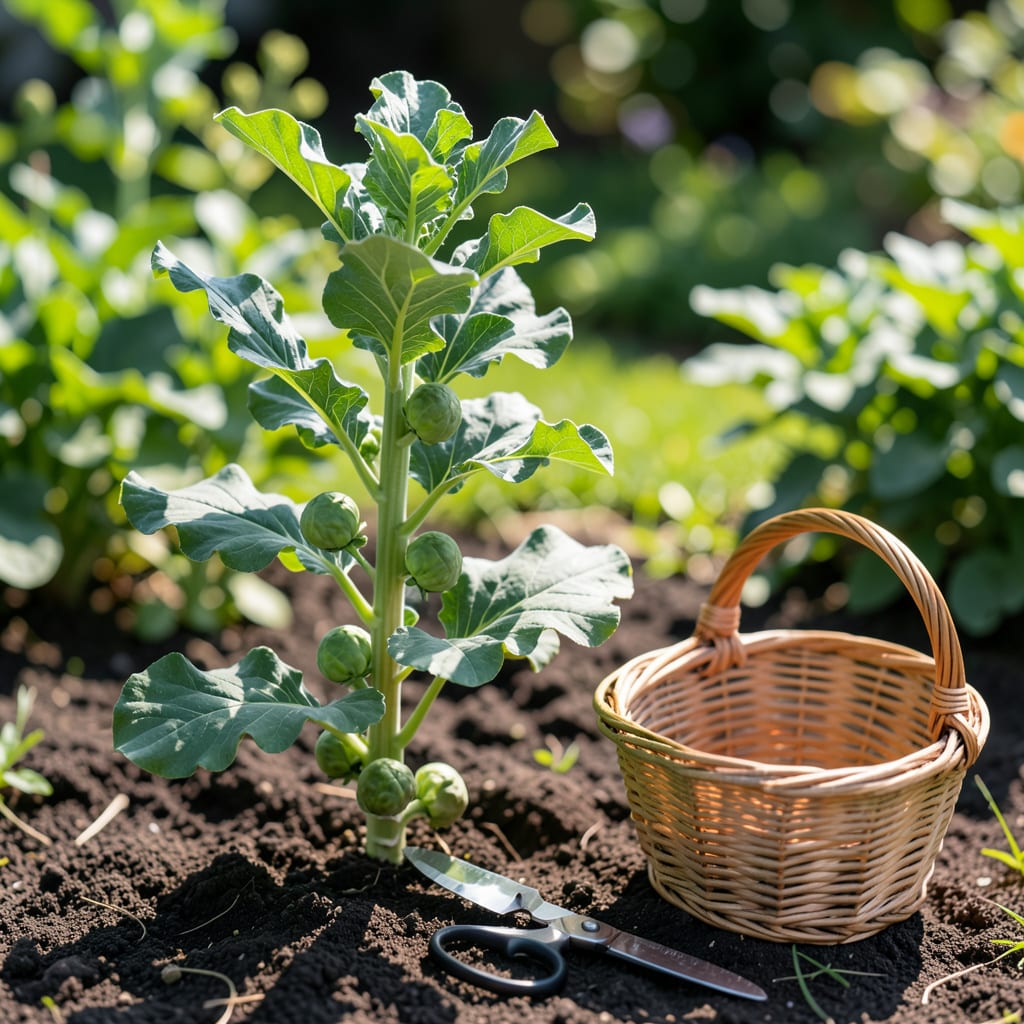
Knowing exactly when to harvest your 🥬 Brussels Sprout can transform your dish from bitter to deliciously sweet. Timing is everything with this cool-season crop.
I’ll show you the visual signs to look for and the best seasonal window. With these tips, you’ll pick your Brussels Sprout at its peak every time.


I always check for firm 1-2 inch sprouts first when harvesting my Brussels sprouts. The lower sprouts mature before the upper ones, so I start there. Look for that deep green color as a sure sign of readiness.
Underripe sprouts will feel loose or small, while overripe ones turn yellow or split open. I find the best flavor comes when sprouts are still tight and bright. The stalk should also feel thick and sturdy at harvest time.
| Sign | Ready Status |
|---|---|
| 1-2 inch diameter | ✅ Ready |
| Firm to touch | ✅ Ready |
| Bright green color | ✅ Ready |
| Pale yellow color | ⚠️ Not Ready |
| Loose or small | ⚠️ Not Ready |
I pay special attention to the lower leaves of my plants. When they start to yellow slightly, it’s a great indicator that the sprouts are nearing maturity. This natural process signals the plant is redirecting energy to its edible parts.
The timing varies by variety, but most Brussels sprouts take 90-120 days from planting to harvest. I’ve found that early varieties like ‘Long Island Improved’ mature faster than heirlooms.
I always check my plants after the first light frost, as this can actually improve the flavor by reducing bitterness. However, I
For the best texture, I harvest in the morning when temperatures are cool. The sprouts will be at their crispest and most hydrated after a cool night. I avoid harvesting during the heat of the day.
I use a sharp knife or simply twist the sprouts off by hand. If I’m using a knife, I make a clean cut close to the stem to avoid damaging the plant. This method allows the plant to continue producing more sprouts.
Remember that Brussels sprouts don’t all ripen at once. I make multiple harvests from each plant, picking the mature sprouts and leaving the smaller ones to continue growing. This can extend my harvest season by several weeks.
By watching for these visual cues and understanding the growth pattern, I consistently get the best harvest from my Brussels sprout plants every season. ✂️
I’ve learned that planting method significantly affects your harvest timeline. When I start seeds indoors, my Brussels sprouts typically mature 80-90 days after transplanting. Direct-sown seeds take a bit longer to establish.
For early varieties like ‘Oliver’, I see sprouts ready in about 85 days, while main-season types like ‘Jade Cross’ need 90-100 days. Late varieties can take up to 120 days from planting.
I always recommend planting in early spring for a fall harvest in most regions. In warmer climates, I’ve had success planting in late summer for a winter harvest. The cooler temperatures actually enhance the flavor.
A light frost is my secret weapon for the sweetest Brussels sprouts. I notice the flavor improves significantly after the first frost, as the cold converts starches to sugars. However, I harvest before a hard freeze to prevent damage.
For gardeners in USDA zones 6-7, I suggest planting in March or April for a fall harvest. In cooler zones, starting seeds indoors in February gives plants a head start before the growing season.
I’ve found that consistent moisture is key throughout the growing season. Drought stress can cause bitter sprouts and uneven maturity. I make sure my plants get 1-2 inches of water weekly for optimal growth. ☀️
I always start harvesting from the bottom of the stalk where the sprouts mature first. Using a sharp knife or my hands, I carefully remove each sprout when it’s 1-2 inches in diameter and firm to the touch.
The best time to harvest is in the cool morning hours when the sprouts are most crisp. I
💡 Pro Tip:
Twist sprouts off by hand for a clean break, or use pruners for a precise cut. Always harvest the mature lower sprouts first to encourage upward growth.
I find that regular harvesting encourages the plant to produce more sprouts. By removing the mature ones promptly, I give the plant energy to focus on the developing sprouts higher up the stalk.
For the cleanest cuts, I use bypass pruners rather than anvil pruners. This prevents crushing the stem and helps the plant heal faster. I also disinfect my tools between plants to prevent disease spread.
After harvesting, I immediately remove any yellow leaves from the stalk. This improves air circulation and reduces the risk of fungal diseases. The plant will continue producing for 4-6 weeks with proper care. ✂️
Harvest when they reach 1-2 inches in diameter. Smaller sprouts may be underdeveloped while larger ones can become bitter or split open.
A light frost improves sweetness, but a hard freeze can damage the plant. Harvest before temperatures drop below 25°F to preserve quality.
These are signs they’re not ready yet. Wait until they’re firm and bright green. Pale or loose sprouts lack flavor and texture.
Inspect every 3-4 days once sprouts start forming. They mature at different rates, so regular checks help you catch them at peak ripeness.
