
Beautiful Plants For Your Interior
Beautiful Plants For Your Interior
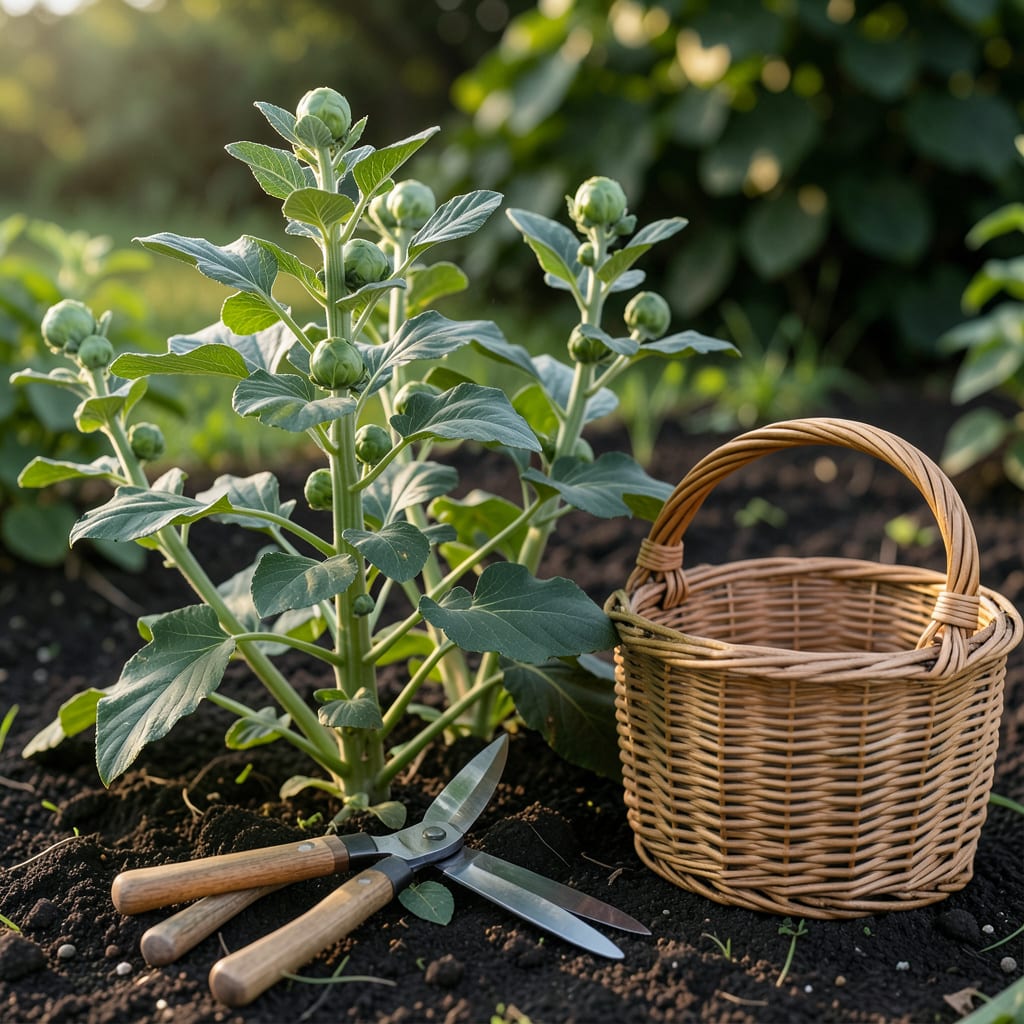
Nothing beats the satisfaction of harvesting your own 🥬 Brussels Sprouts at just the right moment. Those tiny, tight buds can transform from bitter to perfectly sweet with proper timing.
I’ve learned the hard way that picking too early or too late ruins the flavor. Discover the visual cues and seasonal signs that guarantee your crop is ready for the table.


Timing your Brussels sprout harvest perfectly ensures the best flavor and texture. The most reliable sign is sprout size—they should be 1-2 inches in diameter when ready.
I always check for firmness and bright green color. If the sprouts feel hard and look vibrant, they’re likely at peak maturity. Loose or dull sprouts need more time. 🌱
🌱 Brussels Sprout Readiness Signs
| Sign | Description |
|---|---|
| Size | 1-2 inches in diameter |
| Firmness | Hard and tightly closed |
| Color | Bright green and uniform |
| Stalk Height | 2-3 feet tall |
The lower sprouts mature first, so start harvesting from the bottom of the stalk and work your way up. This staggered approach gives upper sprouts more time to develop.
Another clue is yellowing lower leaves. As the plant focuses energy on sprout development, the bottom leaves often turn yellow and drop off naturally.
I’ve found that cool weather improves flavor. A light frost can even sweeten the sprouts, making them taste milder and more delicious. Just avoid heavy freezes. ☀️
If sprouts are smaller than 1 inch or feel soft, they’re not ready. Patience pays off—waiting a few extra days can make a huge difference in taste and texture.
Check sprouts every few days once they start sizing up. They can go from perfect to overmature quickly, especially in warm weather. Regular monitoring is key.
Remember, Brussels sprouts grow in a spiral pattern up the stalk. Harvest the largest, firmest sprouts first, leaving the smaller ones to continue growing. ✂️
Finally, use a sharp knife to cut sprouts off the stalk. Leave a small piece of stem attached to each sprout to keep them fresh longer after harvest.
Weather plays a huge role in when your Brussels sprouts are ready. These cool-season crops thrive in 60-65°F temperatures and typically mature in 90-120 days from planting.
I’ve noticed that a light frost actually enhances their flavor, making the sprouts sweeter and more tender. However, a hard freeze can damage the plant, so timing is crucial. ☀️
🌱 Key Factors Affecting Harvest Time
In warmer climates, sprouts may mature faster but can become bitter. I recommend planting earlier in spring or later in summer for a fall harvest to avoid heat stress.
Cooler regions benefit from a longer growing season. The plants handle light frosts well, and the sprouts often taste better after a cold snap or two.
Another factor is plant age. Brussels sprouts started indoors and transplanted will mature faster than direct-sown seeds. I always track the days since planting to estimate harvest time. 🌿
Finally, consistent watering is critical. Fluctuations in moisture can cause sprouts to split or develop off-flavors. Aim for 1-2 inches of water per week, especially during dry spells.
Harvesting Brussels sprouts at the wrong time can ruin your hard work. One of the biggest mistakes is picking too early—small, loose sprouts won’t have that sweet, nutty flavor. 🌱
I’ve also seen gardeners wait too long, letting sprouts grow oversized and bitter. The ideal window is brief, so monitor daily once they reach 1 inch in size.
⚠️ Avoid These Harvesting Pitfalls
Harvesting too early results in bitter, underdeveloped sprouts.
Waiting too long makes sprouts tough and overmature.
Ignoring stalk health can lead to poor-quality sprouts.
Improper cutting damages the plant and remaining sprouts.
Another error is ignoring stalk health. If the main stalk is weak or diseased, the sprouts won’t mature properly. Always check for pest damage or signs of stress before harvesting. ✂️
Improper cutting technique can harm the plant. Use clean, sharp pruners or a knife to snip sprouts off cleanly, leaving a small stem. Never pull or twist them off by hand.
Finally, don’t overlook pest damage. Check for holes or chew marks on leaves and sprouts. If pests are present, address them before harvesting to avoid contaminated or damaged produce. 🌿
Harvest when sprouts reach 1-2 inches in diameter. Anything smaller won’t have developed the sweet, nutty flavor yet. Check the lower sprouts first, as they mature earliest.
A light frost actually improves flavor, making sprouts sweeter and more tender. However, a hard freeze can damage the plant, so harvest before temperatures drop below 25°F.
Once sprouts reach 1 inch, check them every 2-3 days. They can go from perfect to overmature quickly, especially in warm weather.
No, pick sprouts individually from the bottom up. This lets upper sprouts continue maturing. Use a sharp knife and leave a small stem to avoid damaging the plant.
