
Beautiful Plants For Your Interior
Beautiful Plants For Your Interior
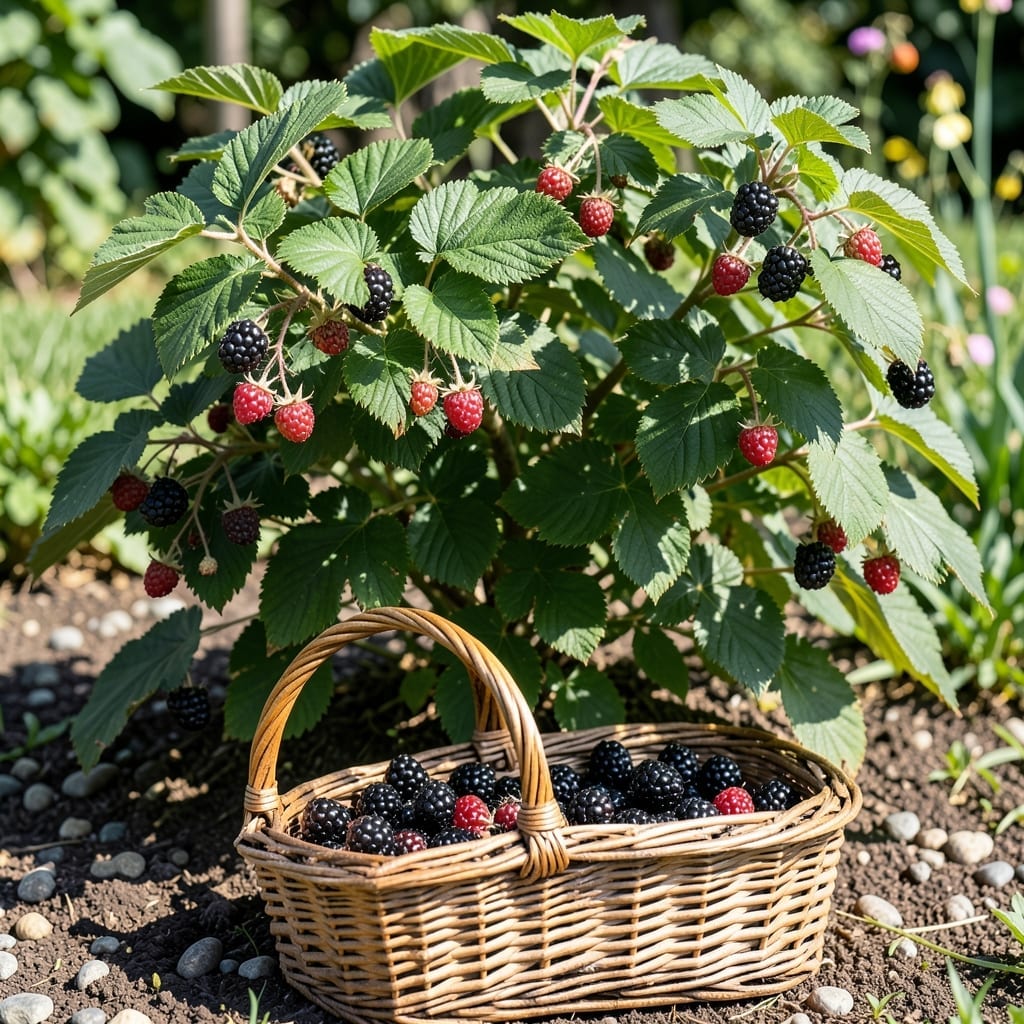
Knowing exactly when Blackberries 🫐 are ready to pick ensures the sweetest, juiciest harvest. Whether you’re growing thorny or thornless varieties, timing is everything.
I’ve learned that missing the perfect window can mean sour fruit or wasted effort. The good news? There are clear signs to watch for that take the guesswork out of harvesting.
Let me show you how to spot peak ripeness and avoid the common mistakes that ruin a Blackberry crop. Your taste buds will thank you.

Timing your blackberry harvest perfectly depends on the variety you’re growing. I’ve found that erect blackberries typically ripen earlier than trailing types, with most ready between July and August. 🌿
Climate plays a huge role too. In warmer zones like USDA 7-10, you might start picking in late June, while cooler areas like Zone 5 often see ripening push into early September. 🌱
| Variety | Ripening Window | Climate Impact |
|---|---|---|
| Erect Thorny | July-August | Earlier in warm zones |
| Erect Thornless | July-September | Mid-season ripening |
| Trailing | August-September | Later in cooler climates |
| Primocane | Late Summer-Fall | Extended season |
Primocane blackberries are unique—they produce fruit on first-year canes, often giving a second harvest in early fall. I love these for their extended picking window, which can stretch into October in mild climates. ✂️
In my experience, floricane varieties bear fruit on second-year wood, so they follow a more traditional summer timeline. These are your classic June-bearing blackberries, though the name is a bit misleading since they often peak in July. 🌳
Coastal regions with mild summers may see blackberries ready 2-3 weeks earlier than inland areas. Conversely, high elevations or northern gardens might wait until late August for the first ripe berries. Always watch the weather patterns closely. ☀️
I’ve noticed that consistent watering during the fruit development stage speeds up ripening. If your plants face drought stress, the berries may take longer to reach full sweetness and size. Keep the soil evenly moist but not soggy. 💧
For the best results, I recommend testing a few berries from different parts of the plant. If they’re uniformly black and easily detach with a gentle tug, the rest are likely ready too. This simple check prevents premature picking. 🌻
Remember that bird net protection becomes critical as berries approach ripeness. I learned this the hard way after losing an entire crop to hungry robins one season. Install nets before the fruit starts changing color. 🪴
Finally, morning harvesting is ideal. The berries are firmer and cooler, making them easier to handle and less prone to bruising. Plus, you’ll beat the heat of the day, which can soften the fruit too quickly. 🌿
Spotting ripe blackberries is easier than you think. I look for a deep black color first—any red or purple hues mean they’re not ready yet. The berries should also feel firm but slightly soft when gently squeezed. 🌿
Another sure sign is how easily they detach. A perfectly ripe blackberry will pull away from the core with minimal effort. If you have to tug hard, give it a few more days. I’ve found this gentle tug test works every time. 🌱
I always check the berry’s glossiness too. Ripe blackberries have a shiny, almost waxy look, while unripe ones appear dull and matte. This visual cue is especially helpful when you’re scanning the entire bush for ready fruit. ☀️
Don’t forget the taste test—if you’re unsure, sample one or two. A ripe blackberry will be sweet with a slight tartness, never bitter or sour. I’ve made the mistake of harvesting too early and regretted the lack of flavor every time. 🌻
Watch for cluster ripening as well. Blackberries often ripen in groups on the cane, so if one is ready, its neighbors likely are too. I like to harvest in batches to catch them at peak ripeness. ✂️
Finally, morning is the best time to check for ripeness. The berries are cooler and firmer, making it easier to spot the visual signs without damaging the fruit. Plus, you’ll avoid the midday heat that can soften them prematurely. 💧