
Beautiful Plants For Your Interior
Beautiful Plants For Your Interior
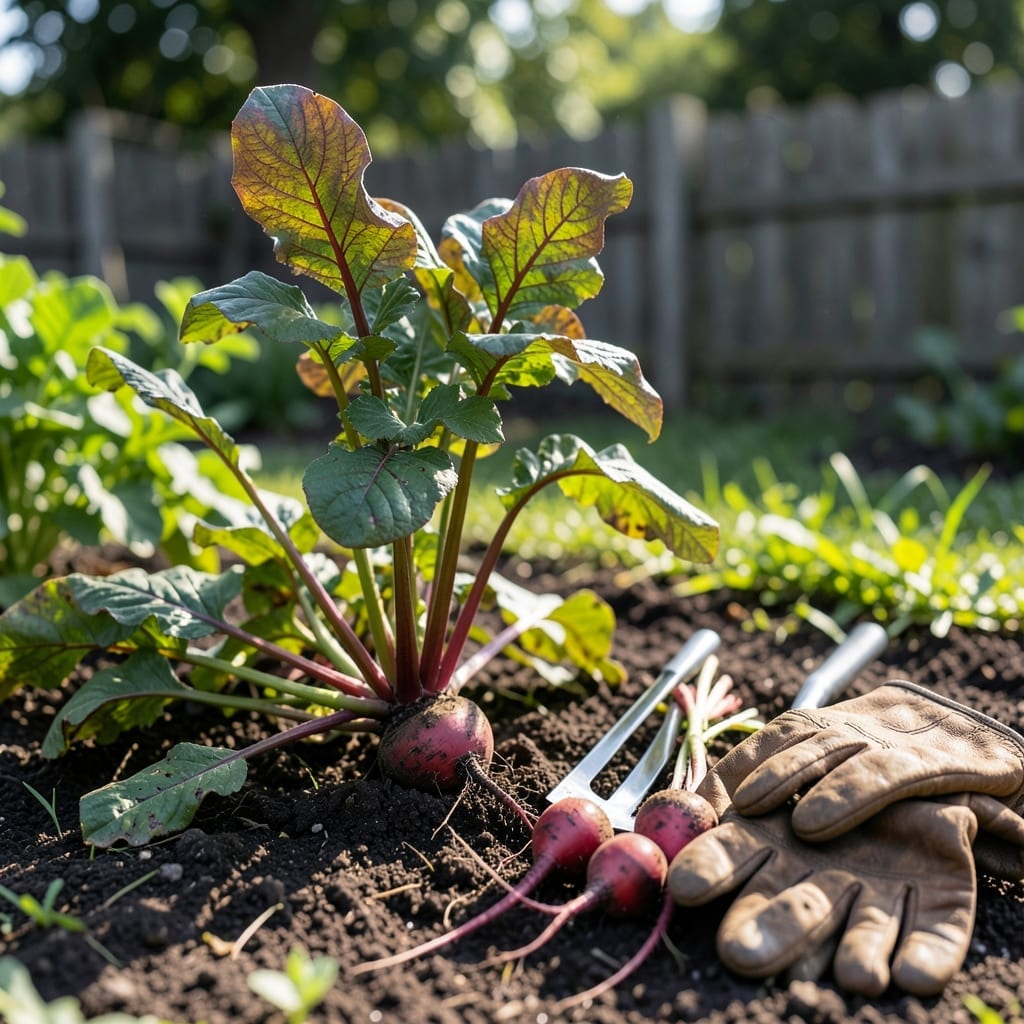
Nothing beats the disappointment of pulling up beets only to find they’re either too small or past their prime. I’ve been there, and it’s a game-changer when you learn to spot the perfect harvest window.
With the 🥬 Beet, timing is everything. You want that sweet spot where the roots are tender and flavorful, not woody or bitter. It’s all about knowing what to look for above and below the soil.
I’ll show you the key visual signs and size indicators that signal your beets are ready. These simple cues will help you harvest at peak perfection every time.
Whether you’re a beginner or seasoned gardener, discover how to pick your beets when they’re just right for the best flavor and yield.
I’ve found that beets reveal their readiness through clear visual cues above and below the soil. The most reliable sign is when the shoulders—the top of the root—begin to protrude above the soil line. This typically happens when the beet has reached maturity.
Another key indicator is the size of the foliage. Healthy beet plants ready for harvest usually have leaves that are 4-6 inches tall and vibrant green in color. The leaves should look lush and robust, not yellowing or wilted.
I always check the skin texture of the beetroot when it’s visible. A smooth, firm skin indicates that the beet is at its peak. If the skin appears rough or cracked, it might be overmature or stressed from inconsistent watering.
The days to maturity can also guide you. Most beet varieties, like Detroit Dark Red, take 55-60 days to mature from seed. If you’ve planted a specific variety, check the seed packet for its expected maturity range.
I recommend gently brushing away soil at the base of the plant to check the root size. If the beet is smaller than 1 inch, it’s not ready yet. Beets in the 1-3 inch range are typically at their sweetest and most tender.
Another trick I use is to harvest a test beet. If it meets your size and flavor expectations, the rest are likely ready too. This is especially useful if you’re growing multiple varieties with different maturity times.
Pay attention to the growth rate as well. If your beets seem to be growing slowly, they might need more time. Ensure they’re getting full sun and consistent moisture to support steady growth.
Finally, remember that beets can be harvested young as baby beets or left to grow larger for storage. Baby beets are typically 1 inch in diameter and offer a delicate, sweet flavor. Larger beets are better for storage but may be less tender.
By combining these visual signs with the days to maturity, you’ll never have to guess when your beets are ready to pick. Happy harvesting! 🌱
Timing your beet harvest perfectly depends on size and variety. Most beets reach maturity between 55-70 days after planting, but the ideal size varies by type.
For baby beets, aim for 1-inch diameter roots—they’re tender and perfect for fresh eating. Mature beets typically measure 1.5-3 inches across for the best balance of sweetness and texture.
| Variety | Ideal Size | Days to Harvest |
|---|---|---|
| Detroit Dark Red | 2-3 inches | 55-60 days |
| Chioggia | 1.5-2 inches | 50-55 days |
| Golden Beets | 2-2.5 inches | 60-70 days |
Storage beets can grow larger, up to 4 inches, but they may become tougher. I recommend harvesting them at 3 inches for optimal tenderness.
If you’re growing for greens, pick the outer leaves when they’re 4-6 inches tall. This allows the roots to continue growing while you enjoy fresh greens.
Remember, consistent moisture is key to preventing woody texture. Check soil moisture regularly, especially during dry spells, to ensure steady growth.
With these size guidelines, you’ll never second-guess when to harvest your beets again. Happy gardening! 🌱