
Beautiful Plants For Your Interior
Beautiful Plants For Your Interior
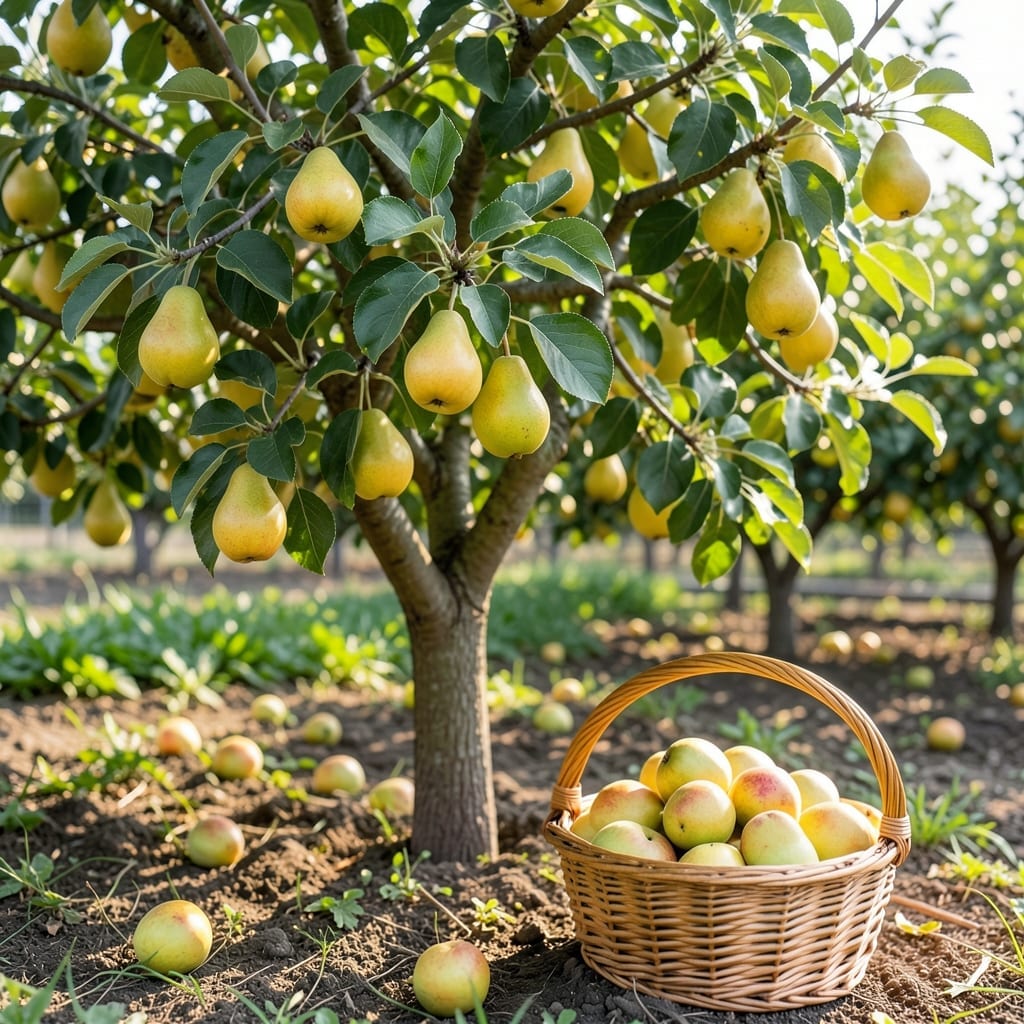
Knowing when Bartlett pears 🍐 are ripe can mean the difference between a sweet, juicy bite and a hard, flavorless disappointment. Unlike many fruits, pears don’t ripen well on the tree, so timing your harvest is key.
I’ve learned that watching for color changes and a slight softness at the stem makes all the difference. These simple cues can transform your harvest from mediocre to mouthwatering.
Let me show you exactly what to look for so you can pick your Bartlett pears at the peak of perfection every time.
Timing your Bartlett pear harvest perfectly starts with observing color changes. These pears transition from green to yellow as they ripen, with some varieties developing a red blush. I always check for this first sign.
While color is a great indicator, texture matters more. A ripe Bartlett pear will have a slight softness at the stem end when gently pressed. This subtle give is your best clue that it’s ready to pick.
| cell” style=”background-color:#6fd544;color:#ffffff;”>Details | |
| row”> | cell”>Slight give when pressed near stem |
| row”> | cell”>Fruit lifts easily from branch |
The aroma test is another reliable method. Ripe Bartlett pears emit a sweet fragrance near the stem. If you don’t smell anything, the pear likely needs more time on the tree.
I’ve found that red Bartlett varieties often ripen slightly earlier than green ones. Their color deepens from pale red to rich crimson, but the same texture and aroma rules apply.
For the most accurate check, combine multiple signs. Look for yellow coloring, feel for softness at the stem, and sniff for that characteristic pear scent. This triple-check ensures you won’t miss the perfect moment.
Remember that Bartlett pears ripen from the inside out. This means the center softens before the outer flesh. That’s why the stem-end test is so effective—it’s closest to the ripening core.
In cooler climates, Bartlett pears may take longer to ripen. I recommend starting your checks 2 weeks before the expected harvest time for your region. This gives you a buffer to catch the perfect ripeness window.
If you’re unsure, pick one pear and let it ripen indoors at room temperature. This test pear will show you exactly what to look for on the tree. Once it’s perfectly ripe, you’ll know it’s time to harvest the rest.
Finally, morning harvesting is ideal. The pears are firmer after a cool night, making them easier to pick without bruising. Plus, you’ll beat the heat, which is better for both you and the fruit 🌿
Harvesting Bartlett pears at the perfect moment ensures the best flavor and texture. I’ve found that Williams Bartlett and red Bartlett varieties may ripen at slightly different times, so knowing your tree’s type is crucial.
In my experience, climate plays a huge role. Warmer regions may see ripe Bartlett pears in late July, while cooler areas often peak in August or September. This variation means you should monitor your trees closely as the season progresses.
For post-harvest ripening, I recommend placing pears at room temperature in a single layer. They’ll continue to soften and develop sweeter flavors over 2-3 days. This method works especially well for pears picked slightly early.
Red Bartlett pears often ripen 1-2 weeks earlier than green ones. Their deeper color change from light red to dark crimson signals they’re ready. However, the same texture and aroma tests apply to ensure perfect ripeness.
If you’re growing in USDA zones 5-9, your Bartlett pears will likely be ready between 120-160 days after full bloom. I mark this on my calendar each year to start checking about 2 weeks before the expected date.
Remember that tree age affects harvest time. Younger trees may produce fruit that ripens later in the season compared to mature trees. My 5-year-old Bartlett consistently ripens about a week later than my neighbor’s established 20-year-old tree.
For the best results, harvest in the morning when temperatures are cooler. This helps prevent bruising and preserves the pears’ firmness for transport and storage ✂️