
Beautiful Plants For Your Interior
Beautiful Plants For Your Interior
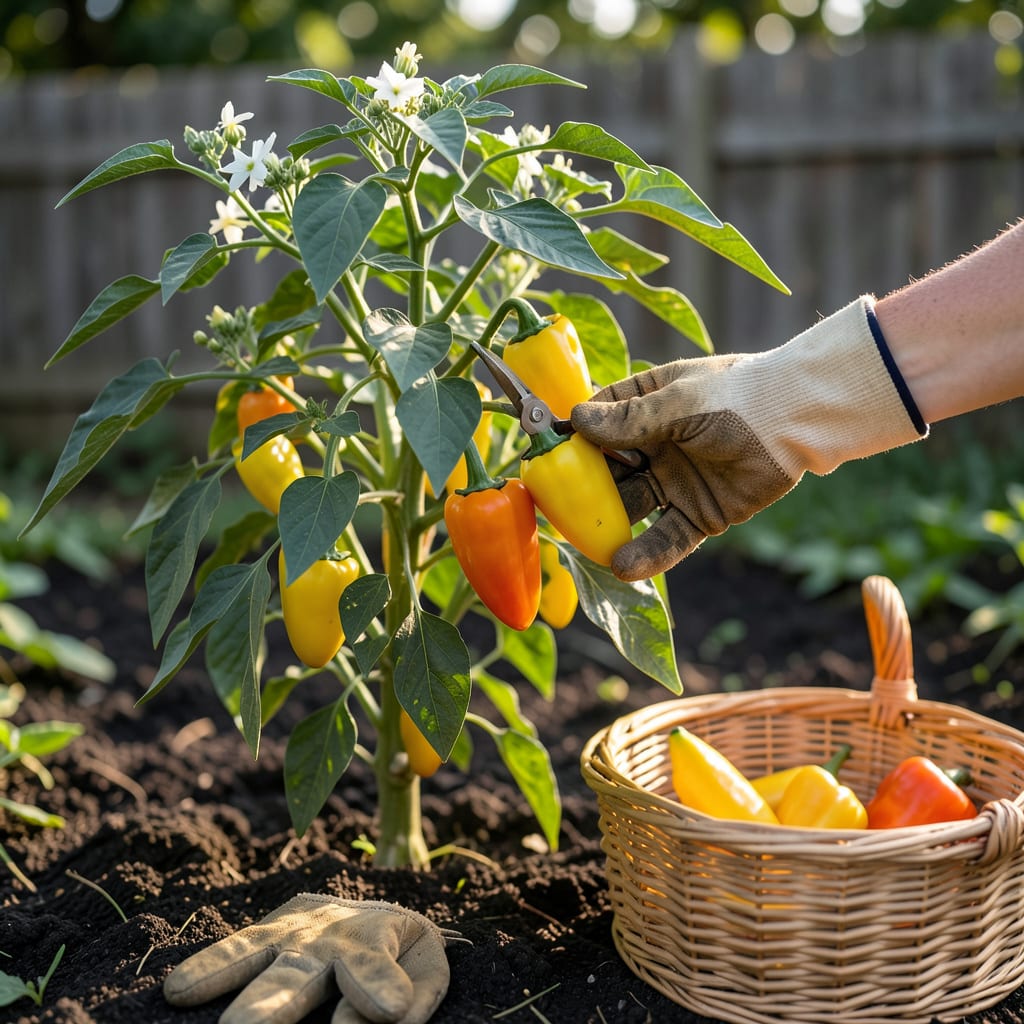
There’s nothing quite like the satisfaction of plucking a perfect 🌶️ banana pepper from your garden—if you time it right. But pick too soon, and you’ll miss out on that signature sweet-tangy flavor; wait too long, and you risk a mushy, overripe mess.
I’ve learned the hard way that color isn’t the only clue. Whether you prefer them crisp and green or fully ripe and golden, I’ll show you the foolproof signs to watch for. Let’s make sure every pepper you harvest is at its absolute peak.


Knowing exactly when to pick banana peppers can feel tricky, but your plants actually give clear signals. The first clue is color change—most varieties transition from green to bright yellow or red when ripe. I always check for a glossy sheen on the skin too.
Size matters just as much as color. Mature banana peppers typically reach 2-3 inches long and feel firm to the touch. If they’re still small and squishy, they need more time. I like to gently squeeze them—ripe peppers should bounce back slightly, not dent under pressure.
| Stage | Color | Size | Texture |
|---|---|---|---|
| Underripe | Pale green | <1 inch | Soft, dull |
| Green Stage | Bright green | 2-3 inches | Firm, glossy |
| Fully Ripe | Yellow/orange | 3+ inches | Very firm, shiny |
💡 Tip: Yellow peppers are sweeter; red ones are ripest but may be spicier.
Timing plays a big role too. Most banana peppers reach harvest readiness in 60-70 days after transplanting. I mark my calendar when I plant them, then start checking daily once we hit the 50-day mark. Early varieties might be ready sooner, so keep an eye out.
The stem test is my secret weapon. Gently bend the pepper upward—if it snaps off cleanly, it’s ready. If it resists or tears, give it another 2-3 days. This method prevents damaging the plant while confirming ripeness. I’ve found it works better than pulling or twisting.
Weather affects ripening too. Hot summers can speed up the process, while cool spells might delay it. I’ve noticed my peppers ripen faster in July than in early June, even when planted at the same time. Adjust your expectations based on your local climate.
For those growing multiple varieties, remember that red banana peppers take about 10 extra days to fully ripen compared to yellow ones. If you prefer milder flavor, harvest at the yellow stage. Let them turn red only if you want more heat.
Finally, regular harvesting encourages more production. I pick my banana peppers every 3-4 days during peak season. Leaving overripe peppers on the plant signals it to stop producing new fruit. Stay on top of harvesting for a continuous supply.
After picking, store peppers in the fridge for up to 10 days, or freeze them for longer storage. I like to slice and dry mine for winter use. Just remember—freshly picked peppers always taste best! ✂️🌱
Timing your banana pepper harvest is everything. I’ve seen gardeners rush to pick peppers at the first sign of color, only to end up with bitter, underdeveloped fruit. On the flip side, leaving them too long can turn your crisp peppers into soft, seedy disappointments. Let’s break down the risks.
Picking too early means missing out on that signature sweet-tangy flavor banana peppers are known for. Immature peppers often have thinner walls and a grassy taste. They’ll also shrink when cooked (if you’re into preserving) because they haven’t reached their full water content yet.
🌶️ Pro Tip: Early picks encourage more production, while late picks signal plants to slow down.
Late harvesting has its own set of problems. Overripe banana peppers develop tough skins and lose their crisp snap. The seeds inside become more prominent, which can make the peppers taste unpleasantly bitter. I once left a batch too long and ended up with peppers that were practically fermenting on the vine!
There’s a sweet spot around 70-80 days after planting when most banana peppers hit their prime. But watch the plant, not just the calendar. If you notice peppers changing color rapidly (from green to yellow in just 2-3 days), that’s your cue to check them daily.
For peppers that got away from you, don’t despair. Overripe ones can be dried for flakes or blended into hot sauces where their intensified flavor works well. Underripe peppers? Try pickling them—they’ll firm up nicely in brine. Just don’t expect that perfect fresh-eating crunch.
Remember that regular harvesting actually stimulates your plant to produce more. I make it a habit to check my banana pepper plants every other day during peak season. This prevents both overripening and gives the plant energy to develop new fruit instead of maintaining overgrown peppers.
The key is observation—your plants will tell you when they’re ready if you know what to look for. And when in doubt, it’s better to pick a little early than too late. You can always let a few peppers stay on the vine longer to test ripeness levels for your personal taste preference.
Harvesting banana peppers the right way means more fruit and healthier plants. I’ve learned that gentle handling and the proper tools make all the difference. Never yank peppers off—the stems are delicate and can tear the whole branch.
The best method I use is the two-handed approach. Support the plant stem with one hand while using the other to gently twist and lift the pepper. For stubborn peppers, I use clean pruning shears to snip the stem about 1/4 inch above the fruit.
⚠️ Avoid These Mistakes:
💡 Pro Tip: Harvest in the morning when peppers are crispest and stems are most pliable.
Always harvest with clean tools to prevent disease. I keep a small bottle of rubbing alcohol in my gardening kit to wipe my shears between plants. This simple step has saved me from spreading bacterial spot between my pepper plants.
Check your plants every 2-3 days during peak season. Regular harvesting actually boosts production by signaling the plant to create new flowers. I’ve doubled my yield by staying consistent with picking—just be sure to leave a few peppers to fully ripen for seed saving.
After harvesting, give your plants a light fertilizer boost to support new growth. I use a balanced 10-10-10 every 4-6 weeks during growing season. Water deeply afterward to help the plant recover from the harvesting stress.
Store freshly picked peppers in the fridge for up to 10 days, or freeze them whole for winter use. For best flavor, use them within 3-5 days of picking. The crisp texture is unbeatable when they’re fresh from the garden! ✂️🌱
Most banana peppers reach harvest readiness in 60-70 days after transplanting. Early varieties may mature slightly faster, while red varieties often need 10 extra days to fully ripen. Start checking daily once you hit the 50-day mark.
Green banana peppers are perfectly edible and have a milder, slightly grassier flavor. They should still be 2-3 inches long and firm to the touch. Many gardeners prefer this stage for pickling or fresh eating when they want less sweetness.
Use the two-handed method: support the stem with one hand while gently twisting the pepper with the other. For stubborn peppers, use clean pruning shears and leave a 1/4-inch stem. Never yank peppers off, as this can damage the plant.
Check plants every 2-3 days during peak season. Regular harvesting actually boosts production by signaling the plant to create new flowers. I’ve found that consistent picking every few days results in the highest yields throughout the growing season.
Overripe banana peppers work great for drying into flakes or blending into hot sauces. Their intensified flavor actually benefits these preparations. You can also remove the seeds and freeze the flesh for cooking later. Don’t let them go to waste!
