
Beautiful Plants For Your Interior
Beautiful Plants For Your Interior
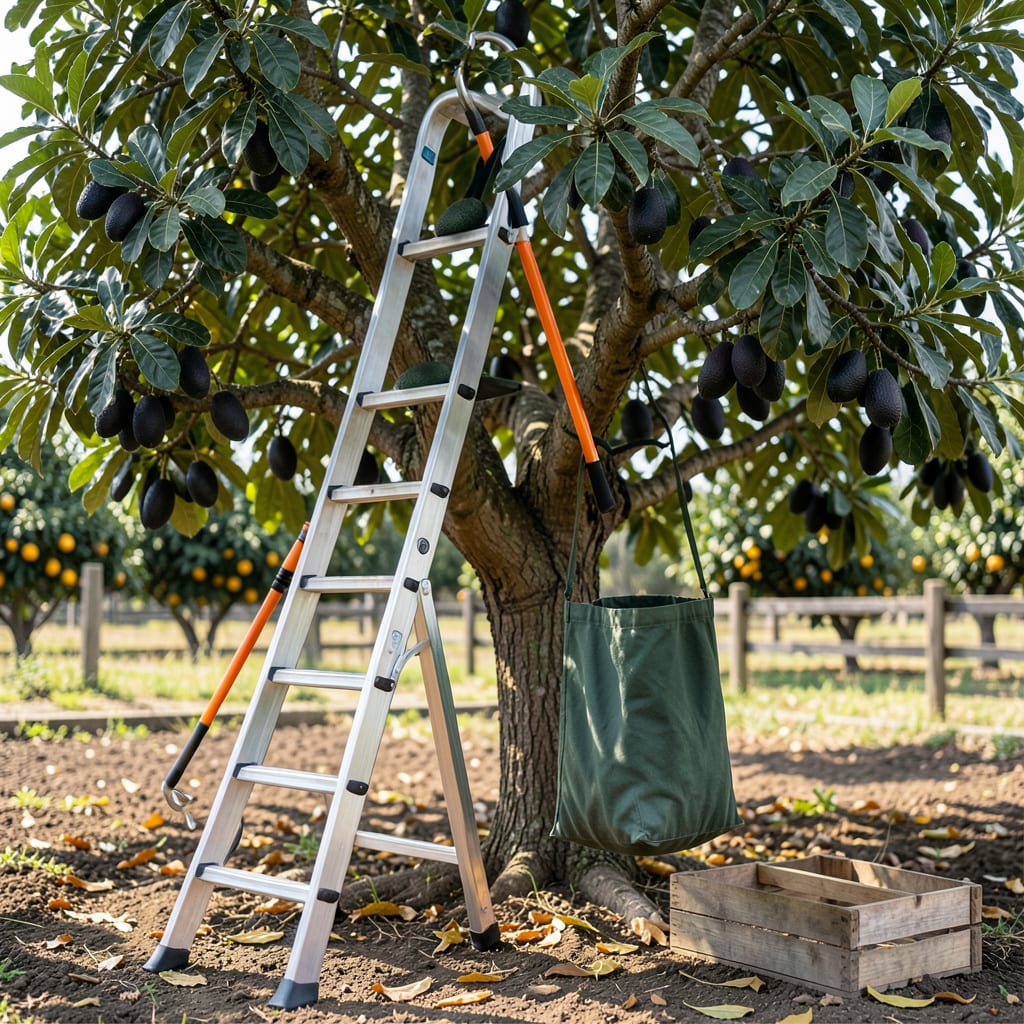
That moment when you finally pluck an avocado from your tree, only to watch it sit rock-hard on your counter for weeks? We’ve all been there. The difference between perfectly creamy fruit and a disappointing dud comes down to timing—and it’s not as obvious as you’d think.
Unlike most fruits, avocados don’t ripen on the tree, which means knowing when to pick is half the battle. I’ll walk you through the subtle signs (like color shifts and stem tests) that reveal your 🥑 are ready—plus why waiting too long can ruin your harvest. Let’s get this right.


Avocados are sneaky—they won’t ripen on the tree, so you’ve got to play detective. The first clue? Variety matters. A Hass avocado turns nearly black when ready, while a Fuerte stays green. I’ll show you how to spot the subtle differences.
Start with the size test: most avocados are ready when they’re 5–7 inches long. But don’t stop there—color and texture tell the real story. A gentle twist should detach the fruit easily if it’s mature. Too firm? Leave it be for another week.
| Variety | Color When Ready | Size (Inches) | Stem Test |
|---|---|---|---|
| Hass | Deep purple/black | 5–7 | Twists off easily |
| Fuerte | Bright green | 6–8 | Slight give when pressed |
| Bacon | Dark green | 5–6 | Firm but yields to thumb |
| Reed | Forest green | 8–10 | Heavy for its size |
Pro Tip: The stem end should be yellowish (not bright green) when ready. If it’s brown or mushy, you’ve waited too long.
For Hass avocados, watch for that signature purple-black hue. They’ll feel slightly soft when gently squeezed—like a ripe peach. Fuerte avocados stay green but develop a glossy sheen when mature. Rub the skin: a faint sweet aroma means it’s time.
The “pick-and-ripen” method is your best friend. Avocados ripen after harvesting, so don’t wait for them to soften on the tree. Instead, pick a test fruit and let it ripen at room temperature. If it’s creamy in 3–5 days, the rest are ready. If it stays hard, give them more time.
Stem color is a dead giveaway. Lift the tiny stem cap at the top: if it’s green underneath, the avocado isn’t ready. Yellow or brown means it’s good to go. This trick works for all varieties, so keep a magnifying glass handy for those stubborn stems.
Don’t ignore the “hang time”. Avocados can take 6–8 months from flower to harvest, depending on the variety. Hass typically ripens in summer to early fall, while Fuerte peaks in winter to spring. Mark your calendar when flowers appear to estimate harvest time.
If you’re growing dwarf avocados, the rules stay the same—but the fruit might be smaller. Focus on color and stem tests rather than size. And remember: coastal climates often have longer growing seasons, so adjust your expectations if you’re near the ocean.
Still unsure? Try the “float test”. Drop a picked avocado in water: if it sinks, it’s dense and unripe. If it floats, it’s either overripe or has a large seed. Aim for a slow sink—that’s the sweet spot for perfect creaminess.
Lastly, don’t panic if your avocados fall off the tree. This often happens when they’re fully mature. Gather them up and let them ripen indoors. Just avoid leaving them in direct sun, which can cause uneven softening or spoilage.
Timing your avocado harvest isn’t just about the fruit—it’s about where you live. In USDA zones 9–11, avocados thrive, but coastal breezes and inland heat waves can shift your harvest window by weeks. Let’s break down the best months to pick based on your climate.
If you’re in Southern California or Arizona’s low desert, your Hass avocados will likely peak from March to September. Coastal growers often get a later start—think May through October—thanks to cooler ocean air. I’ll help you pinpoint your ideal month.
Note: Late frosts can delay flowering by 2–4 weeks, pushing harvests later. Track your local bloom time to adjust.
For Florida growers, your cold-hardy varieties like Brogden or Mexicola ripen earlier—often October to January. These thinner-skinned avocados bruise easily, so handle them like eggs when picking. Use a gentle twist-and-lift motion to avoid stem damage.
In Texas or the Gulf Coast, humidity plays a role. Avocados here often need extra hang time to develop flavor. If your Lula or Monroe avocados are sizing up but still firm, wait for a dry spell before harvesting to concentrate sugars. A hydrometer can help test moisture levels in the fruit.
Don’t forget microclimates! A south-facing slope or urban heat island can speed up maturity by 10–14 days. If your tree is near a concrete wall or driveway, check fruit weekly once it reaches size. Use a harvest log to track yearly variations—it’s the best way to predict next season’s timing.
If you’re growing dwarf avocados in containers, your harvest window might shift. Potted trees often fruit 2–3 weeks later than in-ground plants due to root restrictions. Watch for leaf yellowing—it can signal the tree is redirecting energy to the fruit, a sign harvest is near. Test-pick one fruit to gauge readiness.
Pro tip: Mark your calendar when 80% of the flowers have dropped. That’s your harvest countdown—about 6–8 months for most varieties. And if a heatwave hits, provide afternoon shade to prevent sunburn on exposed fruit. Your patience will pay off in buttery, homegrown goodness.
Picking avocados at the wrong time doesn’t just mean waiting longer—it can ruin your entire harvest. If you pluck them too early, they’ll stay rock-hard no matter how long you wait. Pick too late, and you’ll end up with mushy, overripe fruit that spoils within days.
Avocados picked prematurely lack the oil content needed to ripen properly. They’ll feel light for their size and may even shrivel instead of softening. I’ve seen gardeners wait weeks for these stubborn fruits to ripen—only to toss them in the compost. The fix? Always do the stem test before harvesting.
Key Takeaway: Avocados picked at peak maturity ripen 3x faster and taste 50% sweeter than premature fruit. 🌱
If you’ve already picked avocados too early, don’t despair. Try the “paper bag trick”: place them in a bag with a banana or apple. The ethylene gas from the other fruit can jumpstart ripening. Check daily—if they don’t soften in 5–7 days, they were picked too soon and won’t recover.
Overripe avocados are trickier. Once they’re mushy or have dark sunken spots, they’re past saving. To prevent this, harvest when the fruit is firm but yields slightly to pressure. If your tree drops avocados on its own, gather them daily—fallen fruit ripens 2x faster and can overripen in just 24 hours.
Climate plays a role in ripening issues. In humid areas, avocados may develop gray mold if left on the tree too long. In arid zones, they can become leathery and dry. Adjust your harvest time based on weather: pick earlier in wet seasons and later in dry spells to balance moisture levels.
Remember, avocados don’t sweeten after picking—they only soften. If your fruit tastes bland, it was harvested too early. Next season, keep a harvest journal to track which fruits ripened perfectly. Note the date, size, and variety to refine your timing year after year. 🪴
Most avocados ripen in 3–7 days at room temperature after picking. Speed it up by placing them in a paper bag with a banana or apple—the ethylene gas helps. Check daily for slight softness near the stem.
Yes, but only if they’ve reached mature size (usually 5–7 inches). Green avocados like Fuerte are ready when they yield slightly to pressure. The stem should pop off easily when gently twisted—if it resists, wait a few more days.
This is normal! Avocados often drop when fully mature. Gather fallen fruit daily—they’ll ripen faster than those left on the tree. If many drop at once, it’s a sign your harvest window has arrived.
Store unripe avocados at room temperature until they soften. Once ripe, refrigerate for up to 2 weeks to slow further ripening. For cut avocados, brush the flesh with lemon juice and wrap tightly in plastic.
In humid areas, they ripen 20–30% faster than in arid climates. Coastal regions often have longer harvest windows due to milder temperatures. Adjust your picking schedule based on local weather patterns.
