
Beautiful Plants For Your Interior
Beautiful Plants For Your Interior
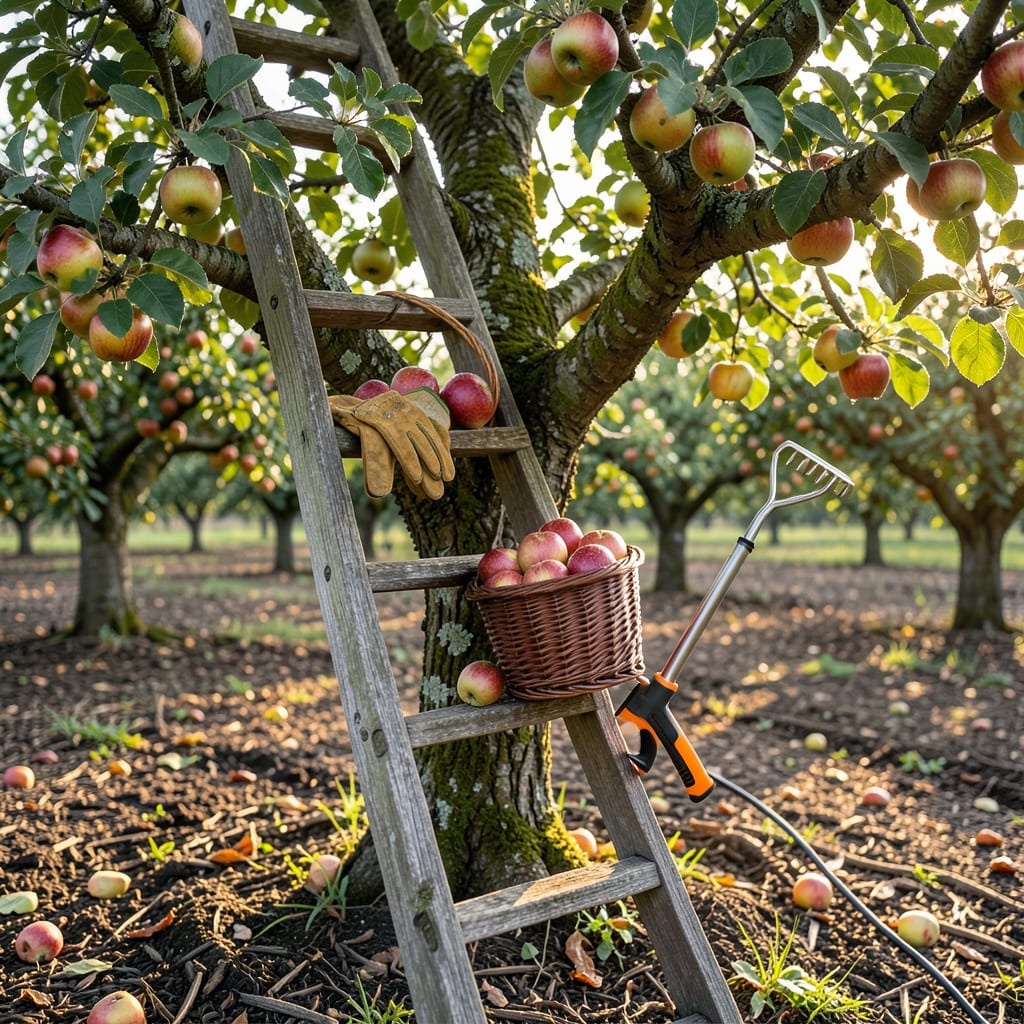
Nothing beats the taste of a perfectly ripe apple straight from your tree—but timing that harvest can feel like a guessing game. One week too early, and you’ll get tart, underdeveloped fruit; wait too long, and they turn mealy before you can enjoy them.
After years of testing (and a few missed opportunities), I’ve nailed down the easiest ways to tell when your 🍎 apples are ready. From the twist-and-lift test to variety-specific clues, I’ll show you how to pick at peak flavor—every single time.


Nothing beats the taste of a homegrown apple picked at its peak. But how do you know when that perfect moment arrives? I’ve learned that apples don’t always turn bright red when ripe—some varieties, like Granny Smith, stay green even when ready. The secret lies in a mix of color, texture, and ease of picking.
Start by checking the background color—that’s the skin color beneath any red or pink blush. For most apples, this shifts from green to yellow, cream, or pale green when ripe. Next, give the fruit a gentle twist-and-lift test: if it separates easily from the branch with a slight upward motion, it’s ready. 🌳
| Variety | Color at Ripeness | Texture Test | Harvest Window |
|---|---|---|---|
| Gala | Deep red with yellow undertones | Firm but yields slightly to pressure | Late August–September |
| Fuji | Red-pink blush over yellow | Crisp with minimal give | September–October |
| Granny Smith | Bright green (no color change) | Very firm; tart flavor mellows | October–November |
| Honeycrisp | Mottled red over golden yellow | Juicy with slight softness | Mid-September–October |
Don’t forget the seed check! Cut open one apple from the tree—if the seeds inside are dark brown or black, the fruit is mature. Light-colored seeds mean it needs more time. This trick works especially well for heirloom varieties with less predictable color changes.
Another foolproof method? The taste test. Sample one apple from different sides of the tree (sun exposure affects ripening). A ripe apple will have balanced sweetness and acidity, while underripe fruit tastes starchy or overly tart. Just don’t pick too many test apples—you’ll want plenty left for harvest! ✂️
Pay attention to the stem separation. When apples are ready, the stem should part from the branch with a clean snap when you lift and twist gently. If it clings stubbornly or the skin tears, wait a few more days. This is my go-to test for organic orchards, where color can be misleading.
Watch the ground drops, too. When a few apples start falling naturally, the rest are likely close to ripe. But don’t wait too long—overripe apples attract wasps and rodents. I aim to harvest just as the first few fruits begin to drop.
For late-season varieties like Arkansas Black or Winesap, a light frost can actually enhance flavor by converting starches to sugars. However, a hard freeze (below 28°F) will damage the fruit. If frost is forecast, pick your apples immediately—even if they’re slightly underripe. 🌡️
Remember that tree location affects ripening. Apples on the south side of the tree (more sun) often ripen 3–5 days earlier than those on the north. I always start harvesting from the sunniest branches first, then move to shadier spots a few days later.
Finally, trust your instincts—and your gardening journal. Note when each variety ripened last year and adjust based on that season’s weather. A cool, wet summer may delay harvest by a week or two, while a hot, dry season speeds it up. Next year’s apples will thank you! 📋
If you’ve ever wondered why your neighbor’s Honeycrisp apples taste sweeter than yours, timing might be the culprit. Different apple varieties ripen at wildly different times—some as early as July, others lingering until November. Knowing your variety’s window is key.
Early-season apples like Gala or McIntosh often ripen in late summer, while late-season varieties like Fuji or Granny Smith need cooler fall weather. Climate plays a role too: apples in Zone 5 might ripen weeks later than in Zone 7.
| Variety | Harvest Months | USDA Zones | Flavor Profile |
|---|---|---|---|
| Gala | July–August | 4–9 | Sweet, mild |
| Honeycrisp | September | 3–8 | Crisp, balanced |
| Fuji | October | 5–9 | Very sweet, firm |
| Granny Smith | October–November | 6–9 | Tart, firm |
Don’t assume all red apples ripen at the same time! For example, Red Delicious peaks in September, while Braeburn might not be ready until October. Always check your specific variety’s timeline.
Local weather can shift harvest times by 1–2 weeks. A cool, wet summer might delay ripening, while a hot, dry season could speed it up. I always keep an eye on the 10-day forecast as harvest nears.
If you’re unsure about your tree’s variety, watch for seed color change—brown seeds usually mean ripeness. Or try the “twist test”: gently lift and twist an apple. If it separates easily, it’s ready! This works for 90% of varieties.
Pro tip: Harvest early-morning apples taste crisper because they’re hydrated from overnight dew. Avoid picking after heavy rain, though—wait 24 hours to prevent waterlogged fruit that spoils faster.
Still unsure? Taste-test one! If it’s sweet, juicy, and snaps cleanly, the rest are likely ready. Just don’t wait too long—overripe apples attract wasps and drop prematurely.
🌳Even experienced gardeners can misjudge apple ripeness. I’ve seen perfectly good harvests ruined by simple oversights. The biggest mistake? Relying only on color. Some varieties, like Granny Smith, stay green even when ripe, while others develop red hues weeks before peak flavor.
Another critical error is harvesting too soon after rain. Wet apples bruise easily and may taste waterlogged. I always wait 2-3 dry days post-rain to pick. Timing matters—especially for late-season varieties like Fuji, which need extra sun to sweeten after summer storms.
Here’s a fix if you’ve picked too early: Store underripe apples in a paper bag with a banana. The ethylene gas speeds ripening. For overripe fruit, use them immediately for sauces or cider—they won’t store well. I learned this the hard way after losing a batch of Honeycrisp to softness.
Climate plays a sneaky role too. In cooler zones (USDA 3-5), apples ripen slower. I track degree days (heat units) for precision. A simple trick: Note when first blossoms appeared—most varieties ripen 120–180 days later, depending on the type.
Finally, don’t forget tree location. Apples on the sunny side ripen faster than shaded ones. I always sample from different branches. And remember: Commercial orchards pick earlier for shipping; homegrown can stay longer for peak flavor. Trust your taste test!
Check the background color—it shifts from green to yellow or cream when ripe. Also, watch for natural drops: when a few apples fall, the rest are close. The twist test works too—gently lift an apple upward. If it separates easily, it’s ready.
Sun exposure makes a big difference! Apples on the south side get more sunlight and ripen 3-5 days faster than shaded ones. Variety matters too—some branches may have different grafts. Always sample from multiple spots before harvesting.
Underripe apples taste starchy and tart, with less juice. They also won’t store as well. If you’ve picked early, place them in a paper bag with a banana to speed ripening. The ethylene gas from the banana helps soften and sweeten them.
It’s risky! Overripe apples become mealy and attract pests like wasps. A light frost can sweeten some varieties, but hard freezes (below 28°F) damage fruit. Harvest promptly when ripe for best flavor and storage life.
A hot, dry summer speeds up ripening, while cool, wet weather delays it. Heavy rain before harvest can cause fruit to crack or taste waterlogged. I always check the 10-day forecast and adjust picking plans accordingly.
