
Beautiful Plants For Your Interior
Beautiful Plants For Your Interior
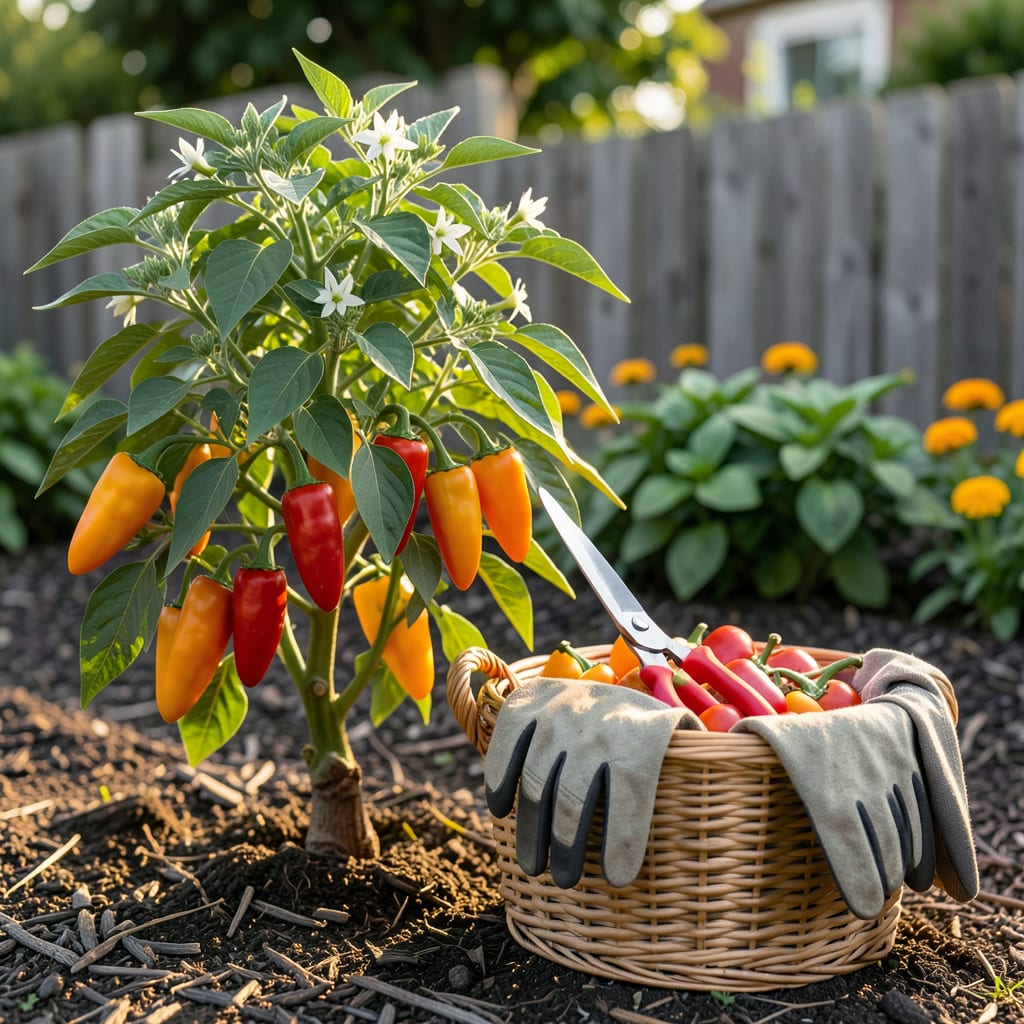
There’s nothing worse than waiting months for your 🌶️ Anaheim peppers to ripen—only to pick them too soon (or too late) and miss that perfect balance of mild heat and crisp sweetness. I’ve been there, staring at my plants wondering, Are they ready yet?
The secret isn’t just timing—it’s knowing the subtle signs, from color shifts to stem firmness. Whether you’re after tangy green peppers for salsa or richer red ones for roasting, I’ll show you exactly what to look for. Let’s make this your most flavorful harvest season yet.


If you’re wondering when Anaheim peppers are ready to pick, the first clue is in their color. These peppers start bright green and gradually turn deep red as they mature. But color alone isn’t enough—you’ll want to check their size and texture too.
Most Anaheim peppers reach harvest size at 6–10 inches long and about 2 inches wide. The skin should feel firm and glossy, not wrinkled or soft. If they’re still small or dull-looking, give them a few more days in the sun.☀️
| Color Stage | Size & Texture | Flavor Profile | Best For |
|---|---|---|---|
| Bright Green | 6–8 inches, firm, glossy | Mild, slightly tangy | Fresh salsa, stuffing |
| Light Green/Yellow | 7–9 inches, slightly softer | Sweeter, mild heat | Roasting, grilling |
| Orange/Red | 8–10 inches, fully glossy | Sweet, medium heat | Drying, sauces |
Tip: Harvest green peppers for milder flavor, or wait for red for richer taste.
One of the best tests is the “snap test”. Gently bend the pepper—if it snaps cleanly from the stem, it’s ready. If it bends without breaking, it needs more time. I always check the stem end too; a yellowish hue means it’s ripening.
Don’t wait too long, though! Overripe peppers can become mushy or bitter. If you see wrinkles or soft spots, harvest immediately—even if the color isn’t perfect. These peppers ripen quickly in hot weather, so check plants every 2–3 days once they near maturity.🌡️
For those growing in cooler climates, peppers may take longer to ripen. If frost threatens, harvest green peppers and let them ripen indoors. They’ll continue to change color in a warm, sunny spot—just not as sweet as vine-ripened ones.
If you’re growing Anaheims for drying or smoking, wait until they’re fully red. The extra time on the vine concentrates their sugars and heat. For fresh eating, I prefer harvesting at the yellow-orange stage—it’s the perfect balance of sweetness and mild spice.🌿
Remember, the more you pick, the more peppers your plant will produce. So don’t hesitate to harvest! Use clean pruning shears to avoid damaging the plant, and always leave a short stem attached to prevent rot during storage.
Finally, taste-test a pepper or two as they ripen. This helps you learn your plant’s unique rhythm. Some Anaheims mature faster than others, especially in container gardens where soil temps fluctuate more. Keep notes for next season!
Now that you know the signs, you’re ready for a bountiful harvest. Up next, let’s talk about the best tools and techniques for picking without harming your plants.✂️
Timing your Anaheim pepper harvest starts with understanding their growth cycle. From transplant to maturity, these peppers typically need 70–90 days, though your local climate plays a huge role. In warmer zones, you might see peppers ready in as few as 65 days.🌡️
I’ve found that peppers planted in late spring (after soil hits 65°F) often mature faster than early-season starts. If you’re in a cooler region, add 10–14 extra days to the timeline. Keep an eye on the first flowers—harvest usually begins 6–8 weeks later.
Pro Tip: Use a garden journal to track your first flower date—it’s the best predictor of harvest time!
Seasonal shifts can speed up or delay maturity. In hot summers, peppers may ripen 1–2 weeks earlier but require more water. During cool spells, growth slows—consider row covers to trap heat. I once lost a week of progress to an unexpected cold snap!☀️
For container gardeners, peppers often mature 5–7 days faster due to warmer soil. Just watch for uneven ripening—rotate pots weekly so all sides get sun. If you’re growing from seeds, add 20–30 days to the timeline compared to transplants.
Here’s my foolproof trick: When 50% of peppers on a plant reach 6 inches long, start harvesting the largest ones. This encourages the plant to produce more. In my garden, this “staggered harvest” method boosts yields by 20–30% over a single big pick.✂️
If frost threatens before peppers ripen, harvest all green peppers and ripen them indoors. Place them in a paper bag with a banana (the ethylene gas speeds ripening). They won’t be as sweet as vine-ripened, but they’ll still be usable for cooking.
Remember, Anaheims are prolific producers. With proper timing, one plant can yield 20–30 peppers per season. Now that you’ve got the schedule down, let’s talk about the best way to pick them without harming your plants.
Harvesting your Anaheim peppers the right way ensures your plants keep producing all season. The golden rule? Never yank peppers off—this can break branches or uproot shallow pepper roots. Instead, I always use this gentle two-step method.☀️
First, locate where the pepper stem meets the main plant. You’ll see a natural joint—this is your cutting point. Use clean pruning shears (or sharp scissors) to make a precise cut, leaving about 1/4 inch of stem attached to the pepper. This prevents moisture loss and rot.
Best time to pick: Early morning when peppers are crisp and full of moisture.
Tool must-have: Pruning shears (wipe with rubbing alcohol between plants).
Stem length: Leave 1/4″ attached to prevent rot in storage.
Frequency: Harvest every 3-5 days to encourage new peppers.
Bonus: Wear gloves if you have sensitive skin—pepper oils can irritate!
If you don’t have shears, you can hand-pick carefully. Grasp the pepper firmly and bend it sideways until the stem snaps cleanly. Avoid twisting—this can damage the plant’s vascular system. I learned this the hard way when I accidentally stripped leaves from a branch!🌿
After harvesting, inspect each pepper for stem wounds or cracks. These can lead to spoilage. Place peppers in a single layer (not piled) in a cool, dry spot. For best flavor, use them within 5–7 days or freeze for later. Never wash peppers until ready to use—moisture speeds decay.
Here’s my secret for extended production: After each harvest, give plants a balanced fertilizer boost (10-10-10) and deep watering. This signals the plant to redirect energy to new peppers. In my garden, this trick adds 2–3 extra harvests per season!💧
Finally, watch for overripe peppers left on the plant—they’ll slow new growth. I make it a habit to do a “plant audit” every weekend, removing any peppers past their prime. This keeps my Anaheims productive well into fall. Now that you’ve mastered harvesting, you’re ready for the most rewarding part: enjoying your homegrown peppers!✂️
Most are ready at 6–10 inches long and about 2 inches wide. Smaller peppers need more time, while oversized ones may be overripe. Check for firmness and glossy skin too.
Green Anaheims are milder and perfect for fresh salsa or stuffing. Just ensure they’re firm and glossy. They’ll continue ripening indoors if needed.
Once peppers start maturing, inspect plants every 2–3 days. Hot weather speeds up ripening, while cooler temps slow it down. Daily checks prevent missing the perfect window.
Harvest all green peppers immediately. Place them in a paper bag with a banana to ripen indoors. They won’t be as sweet but will still be usable.
Yes! Regular harvesting signals the plant to produce more. I use a staggered approach, picking the largest peppers first, which boosts yields by 20–30%.
